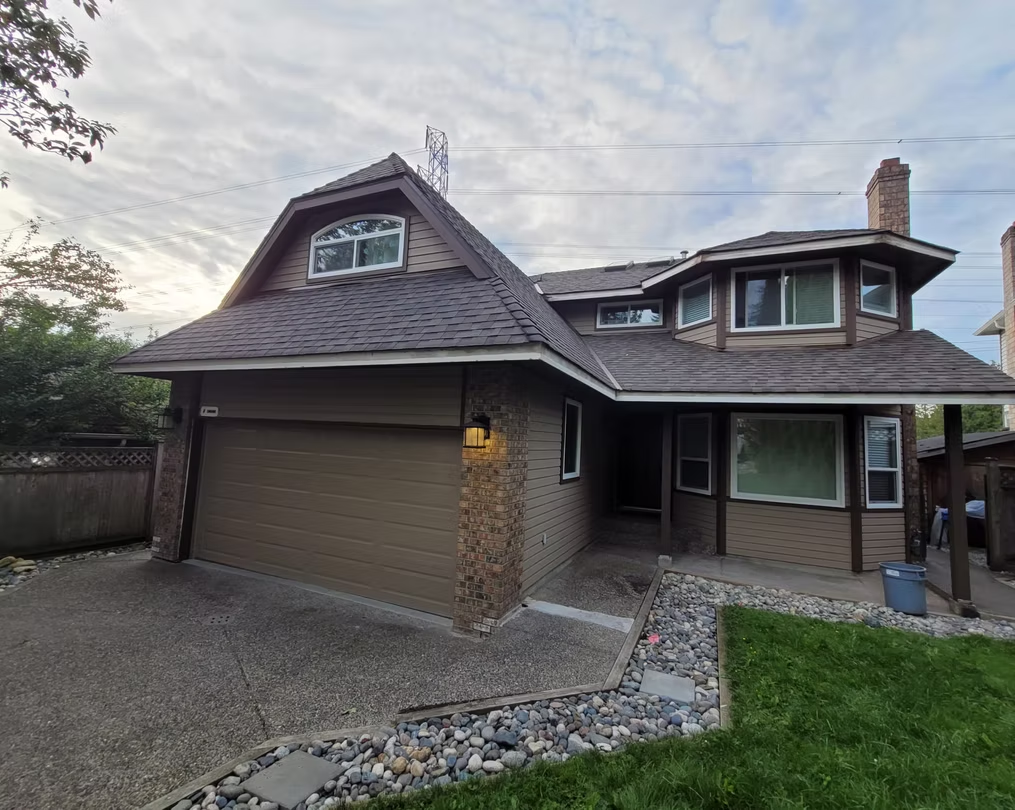
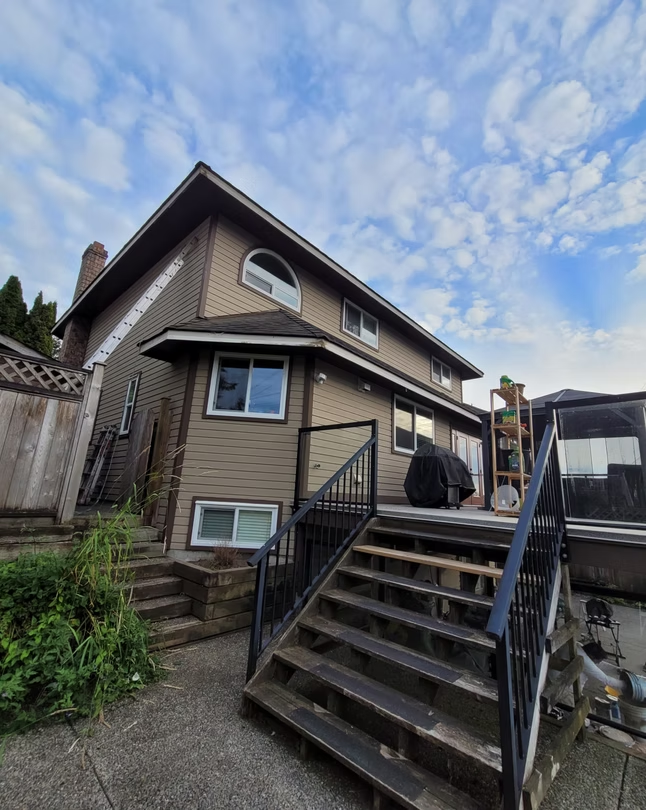
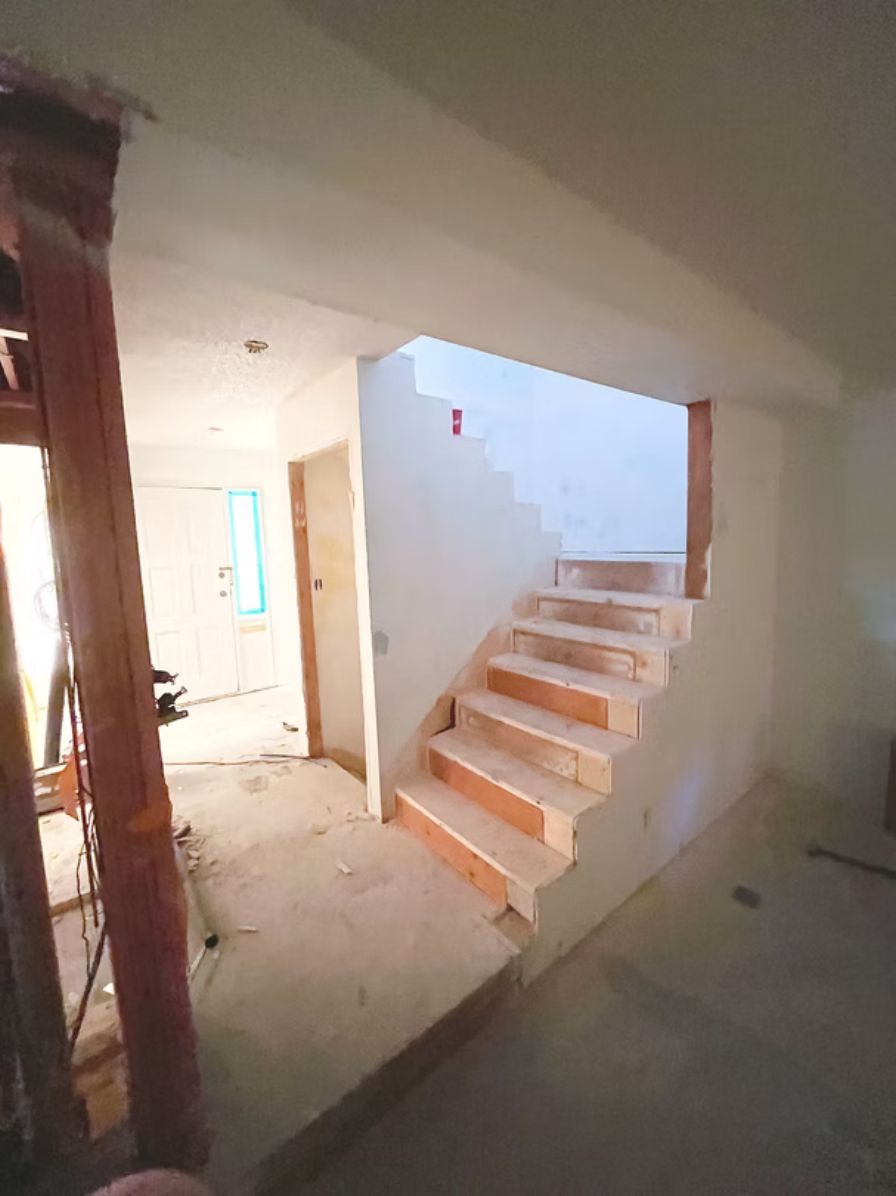
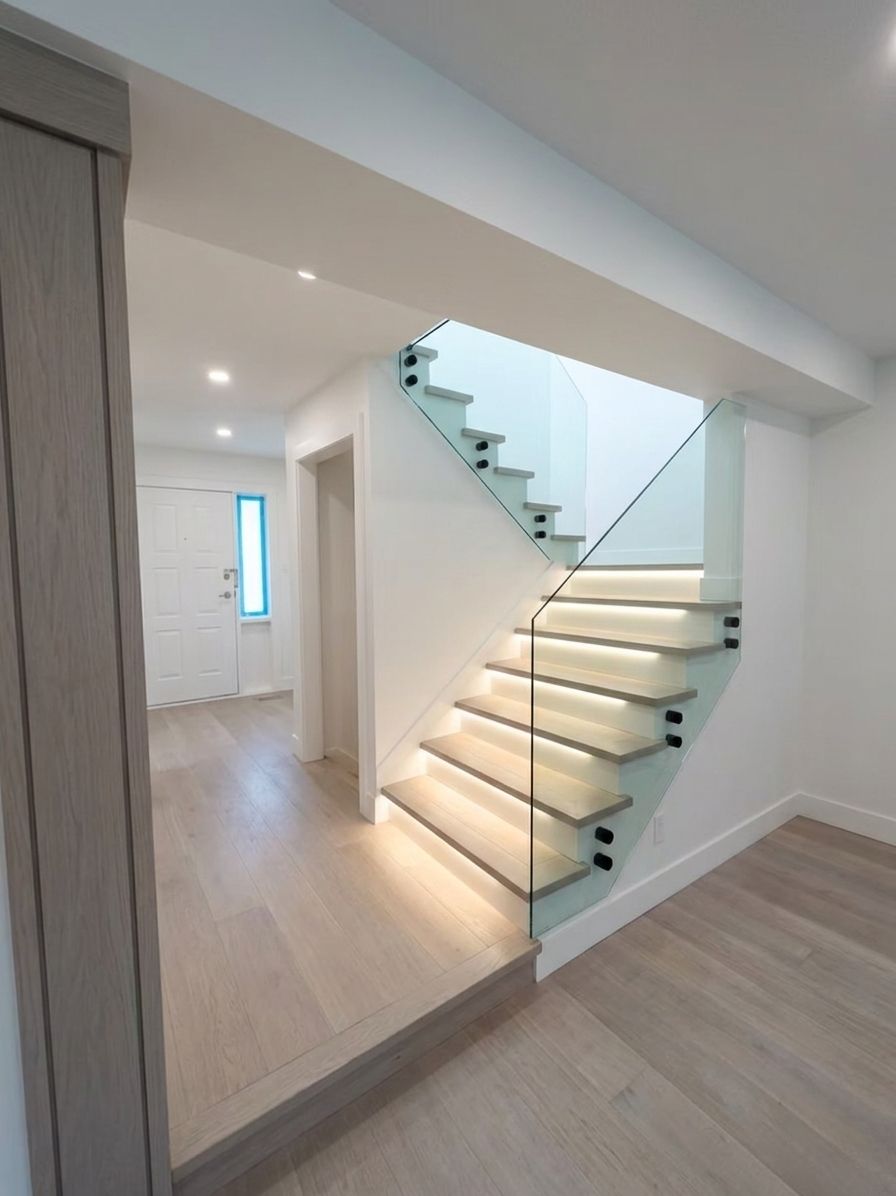
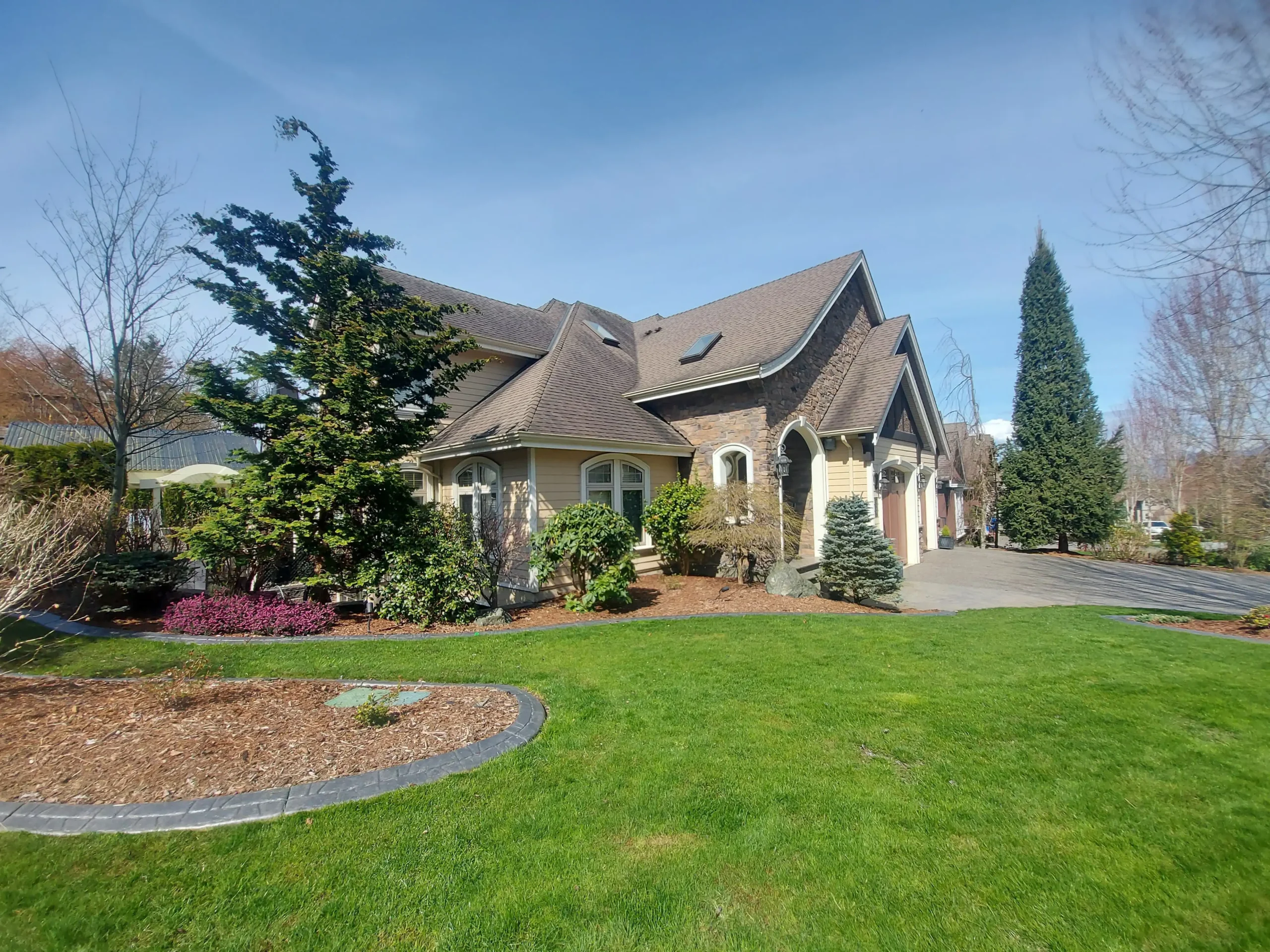
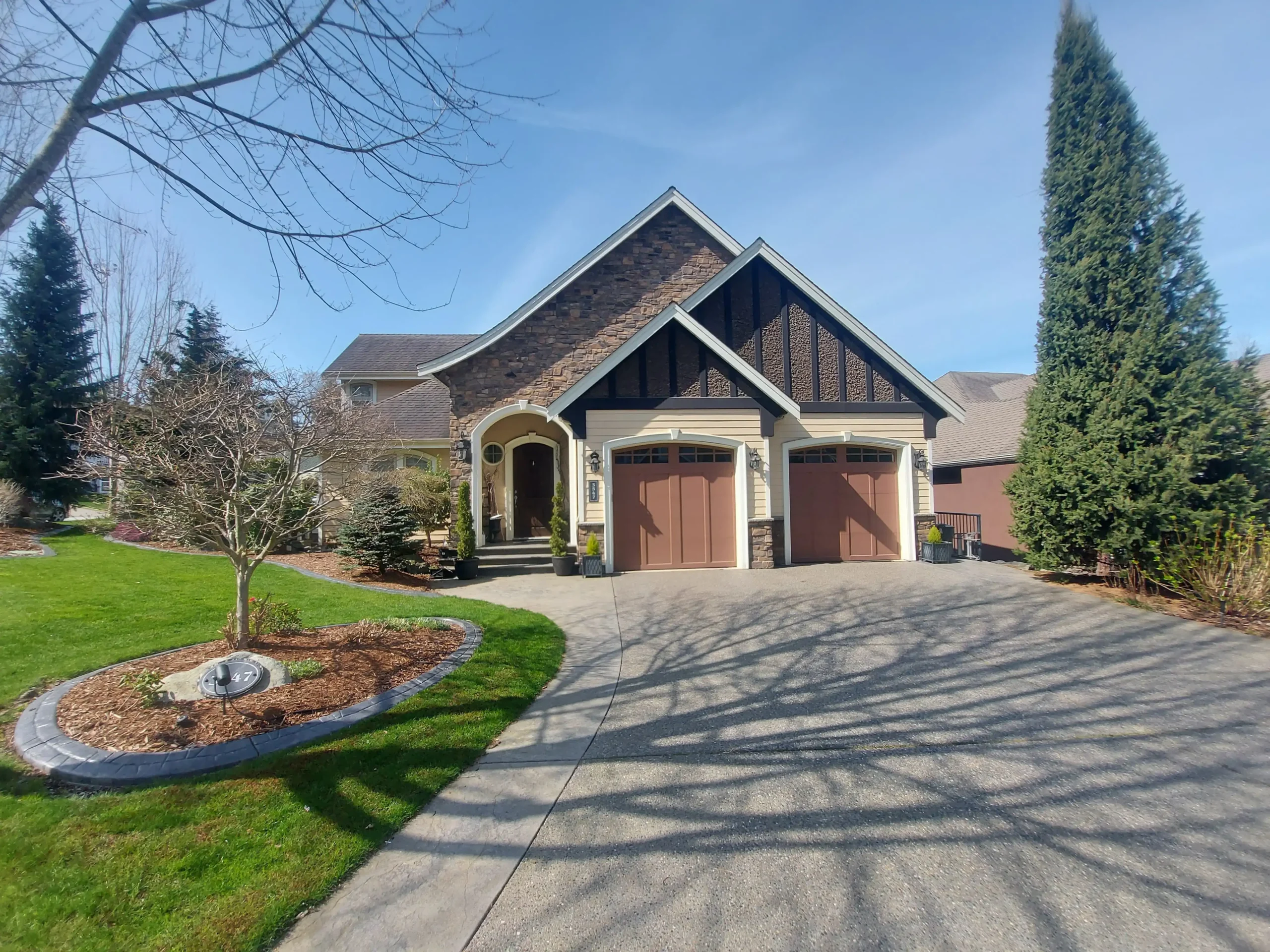
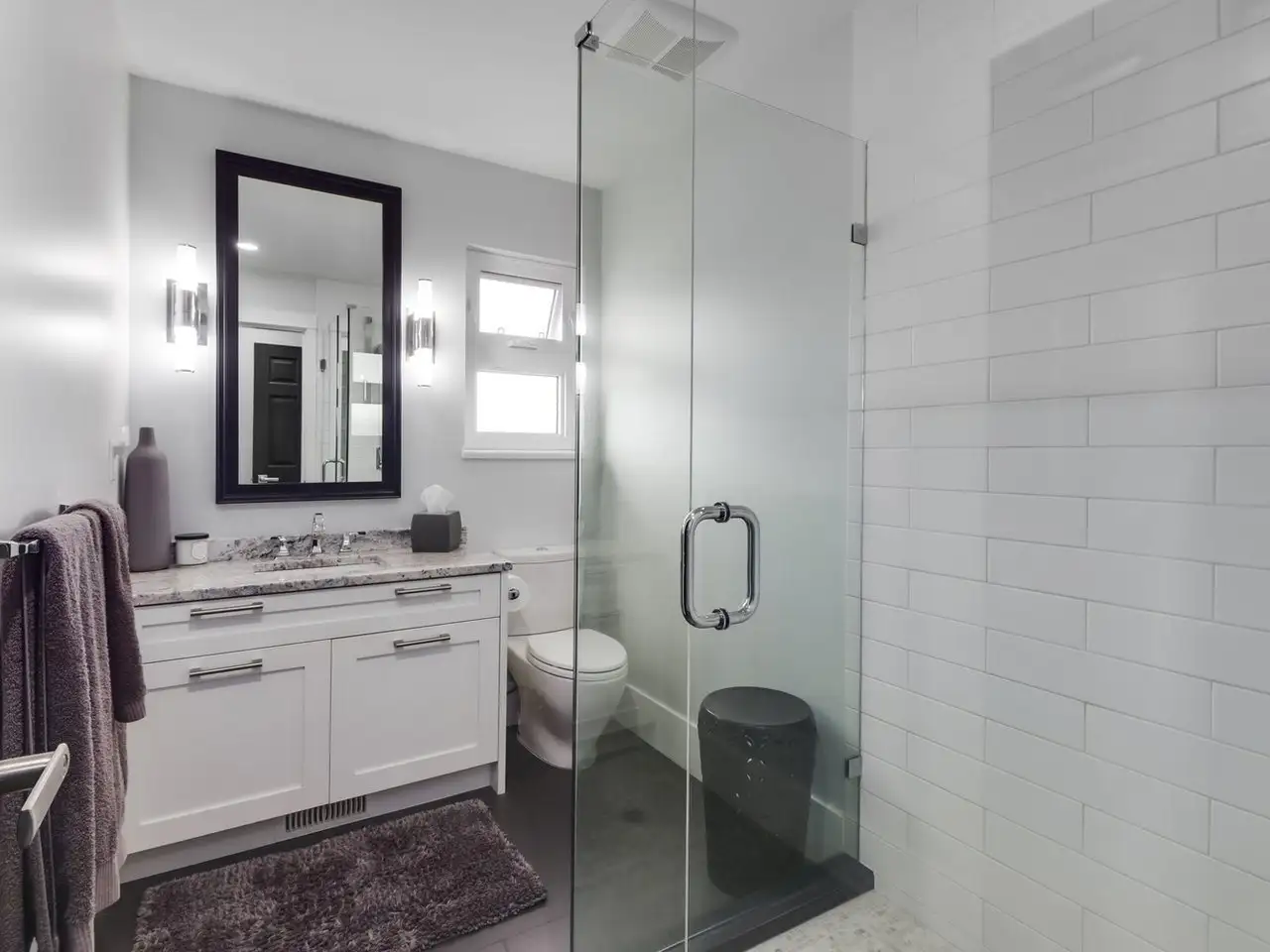
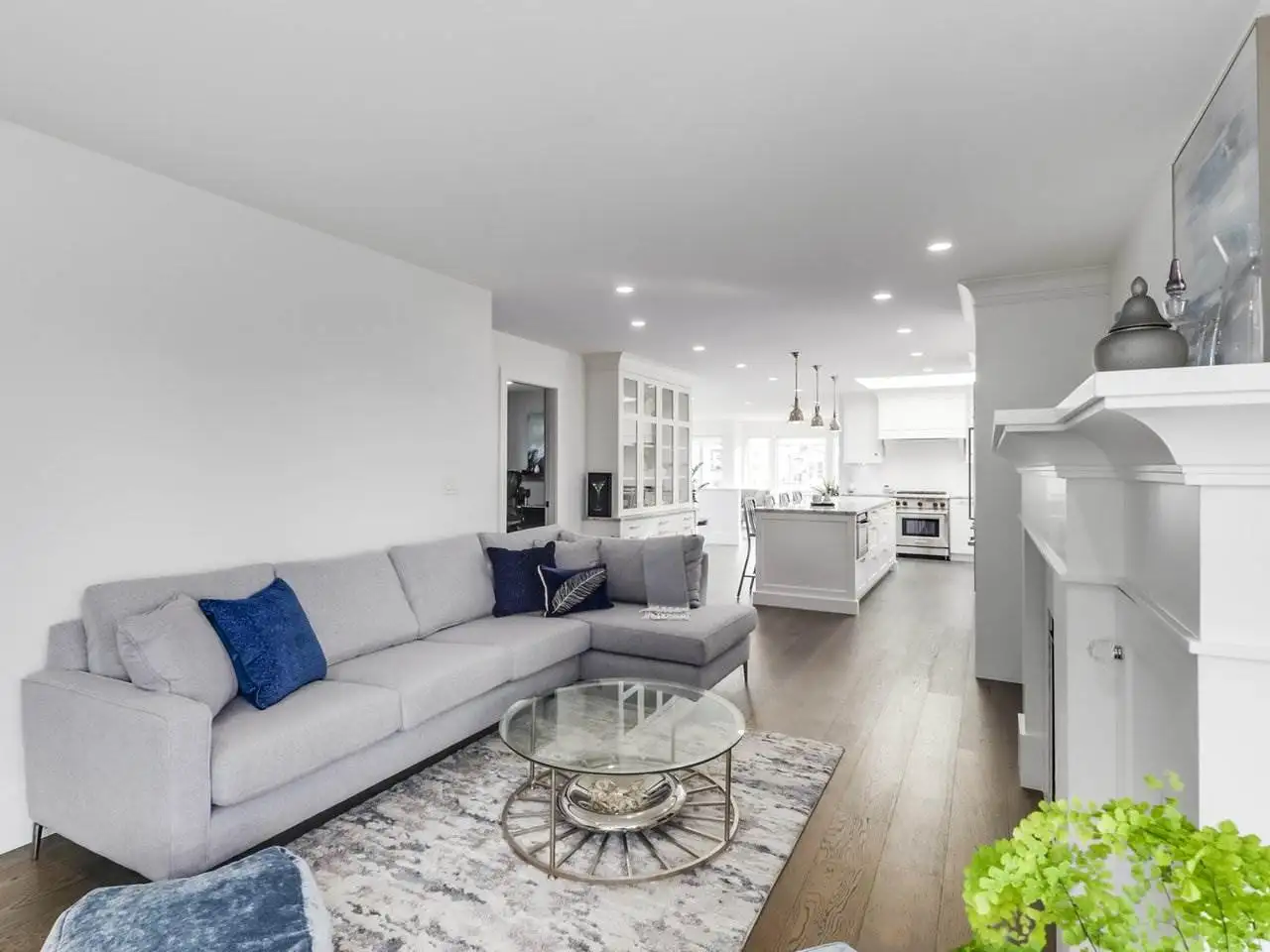
A successful painting project usually starts with a clear plan. Property owners should identify which rooms, surfaces or exterior areas need attention and determine whether repairs are required before painting begins. Planning ahead can also help organise timelines around renovations, tenant changes, property sales or other improvement projects.
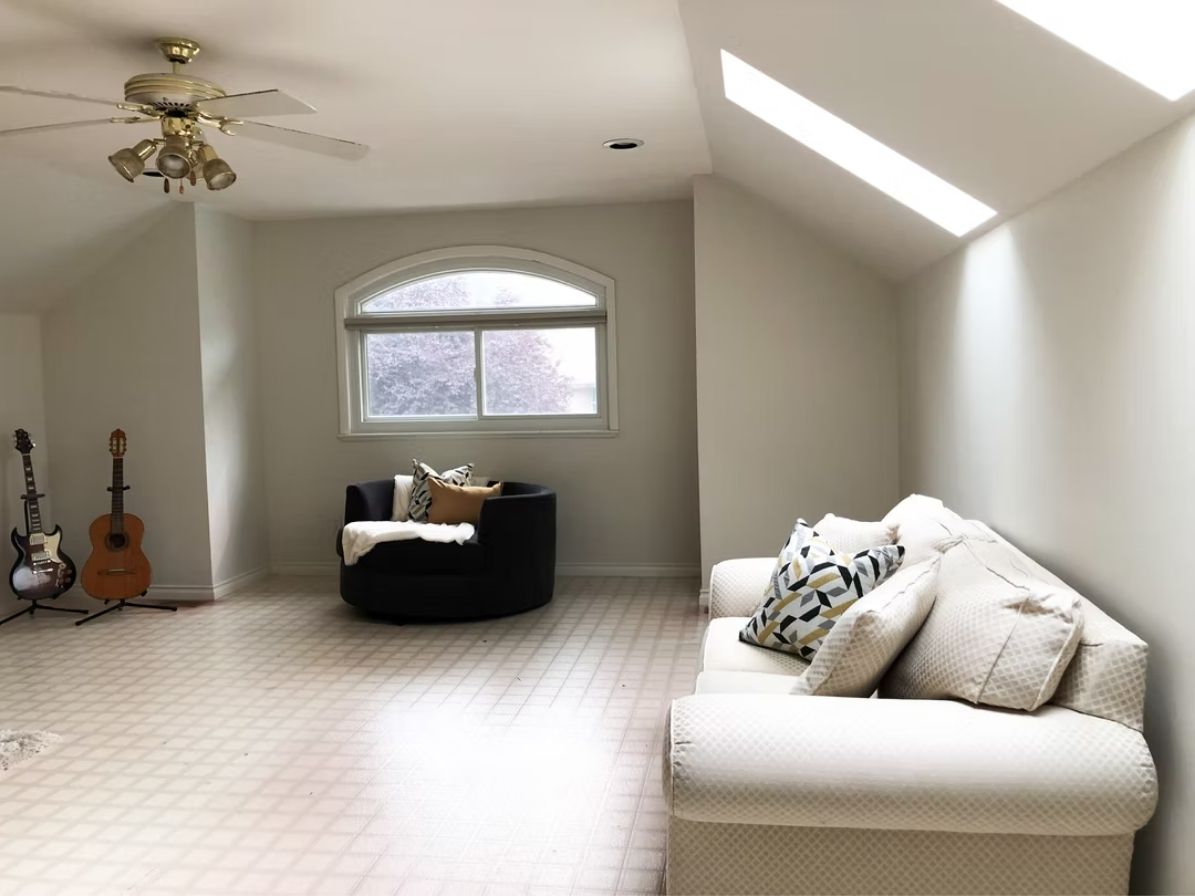
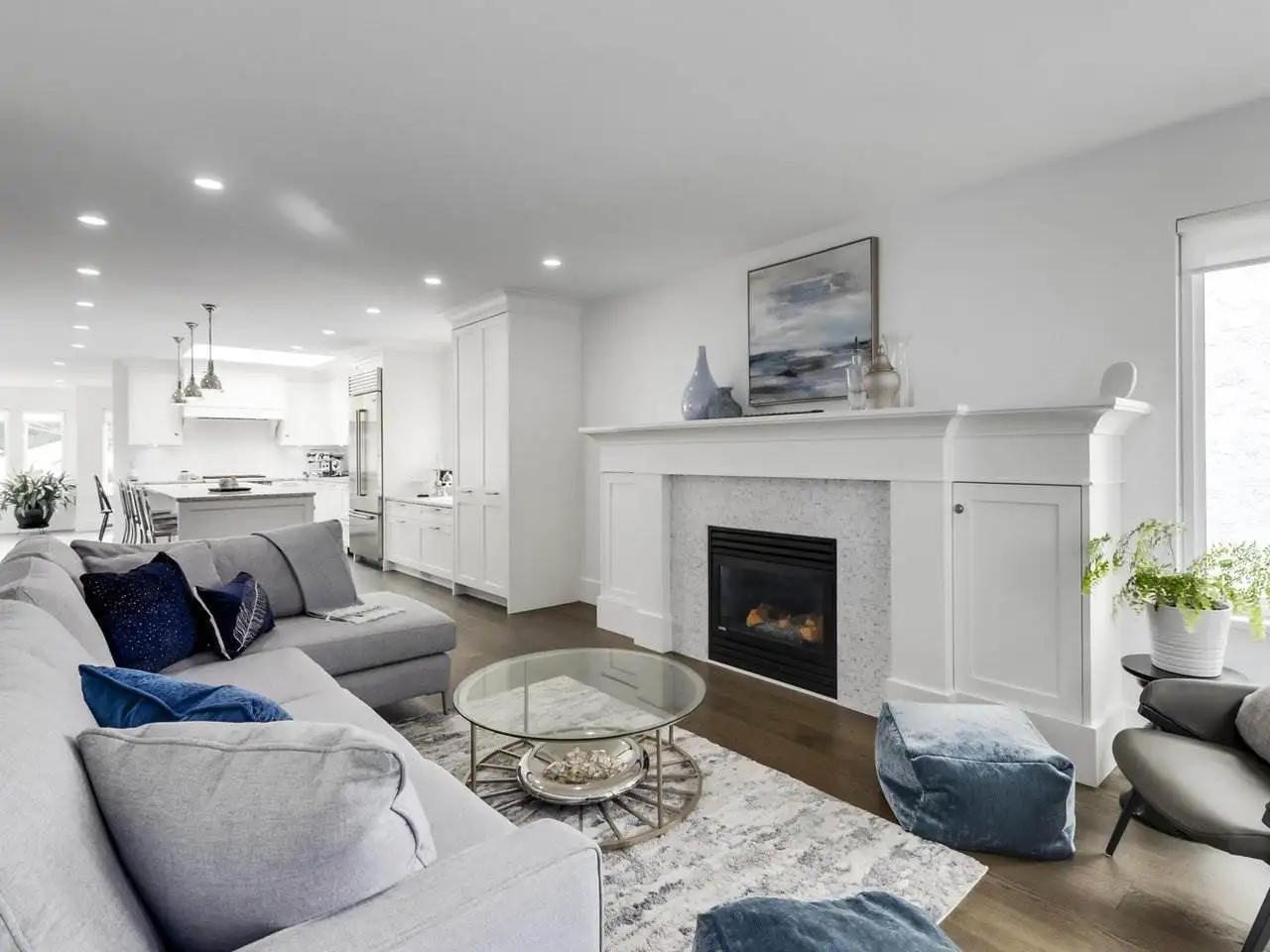
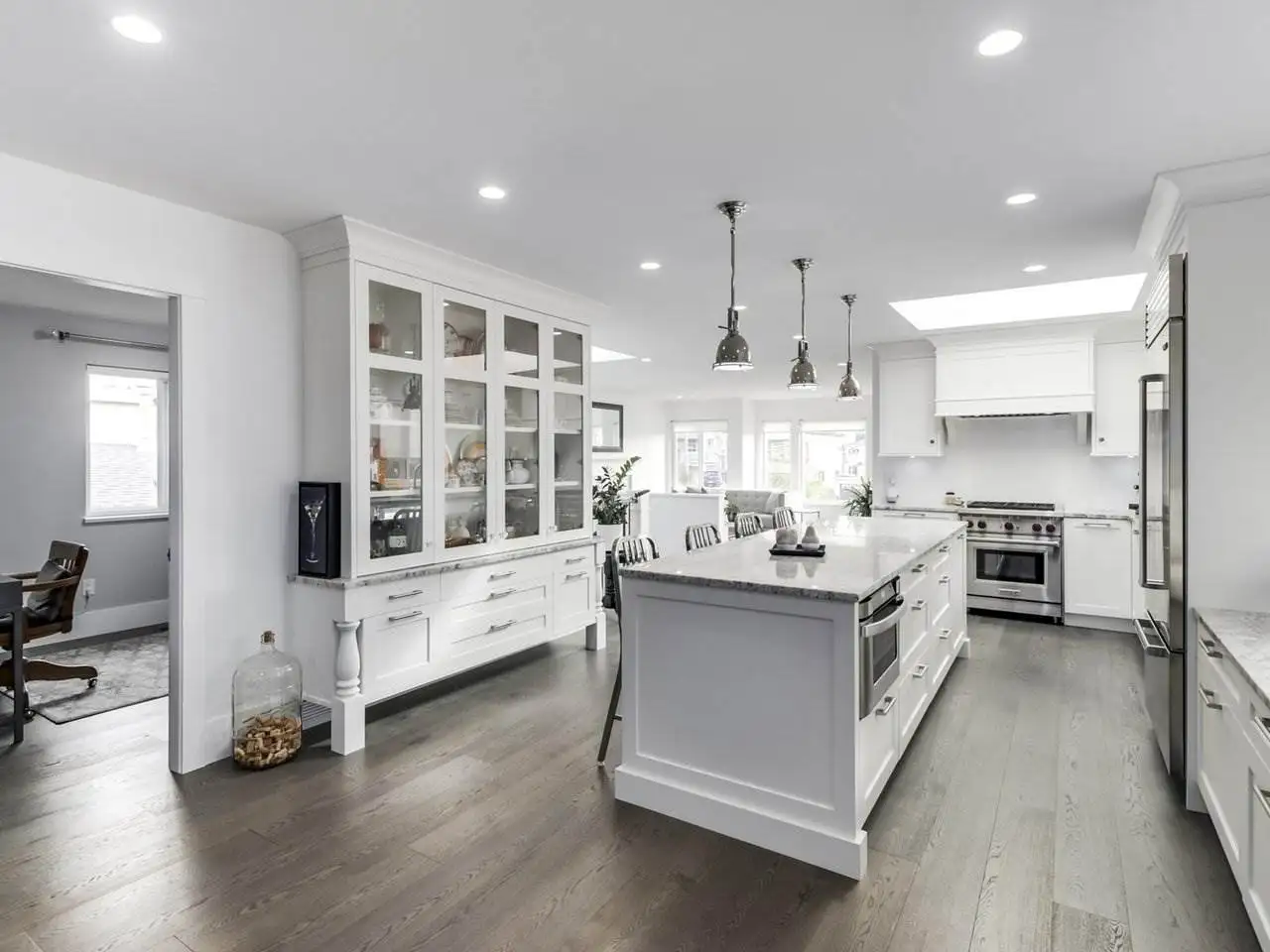
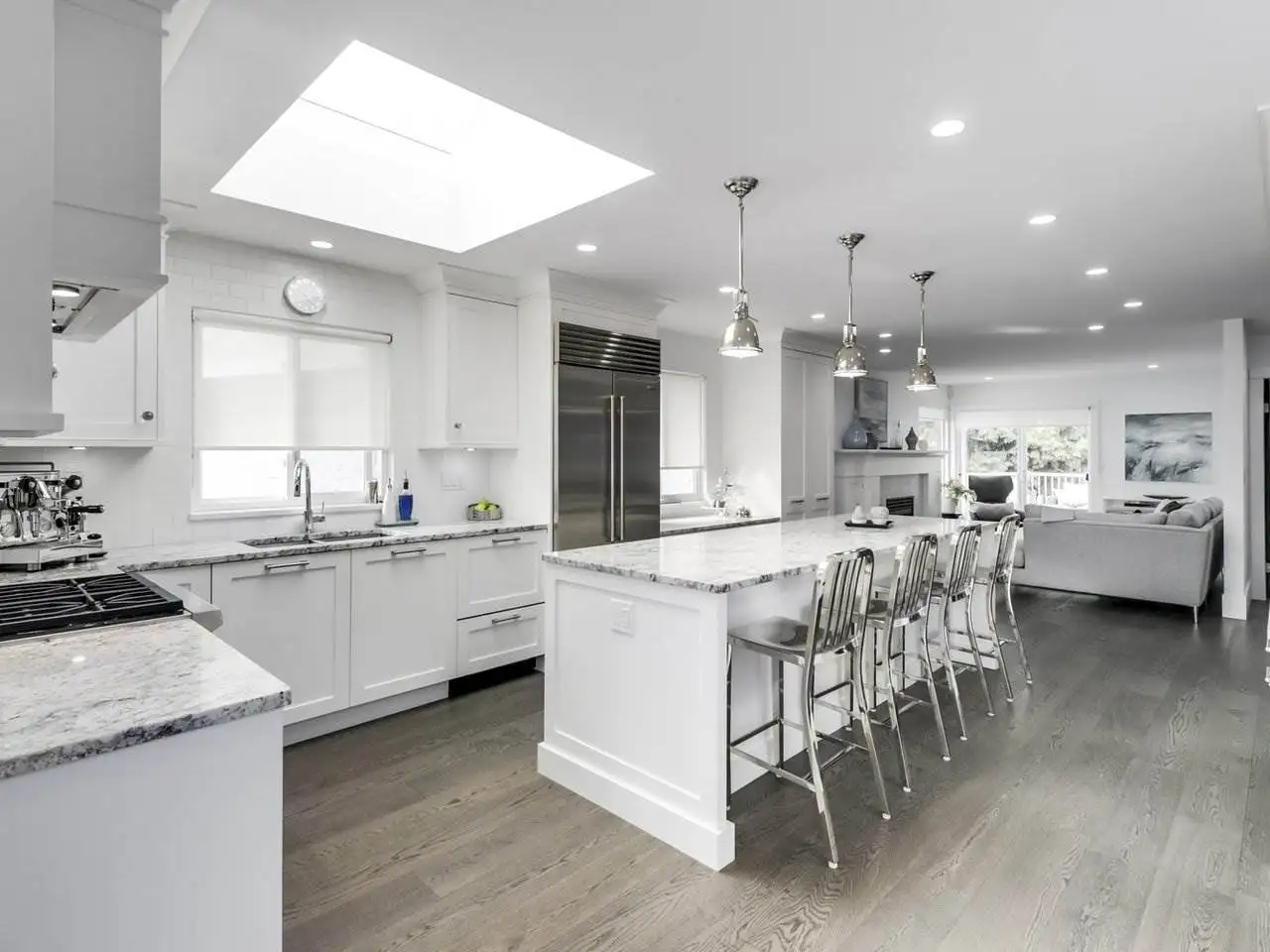
Choosing colours is often one of the biggest decisions during a painting project. Lighter shades can make rooms feel larger and brighter, while darker tones are commonly used to create contrast and highlight design features. Many homeowners preparing to sell choose neutral colours because they appeal to a wider range of buyers and suit most furnishings.
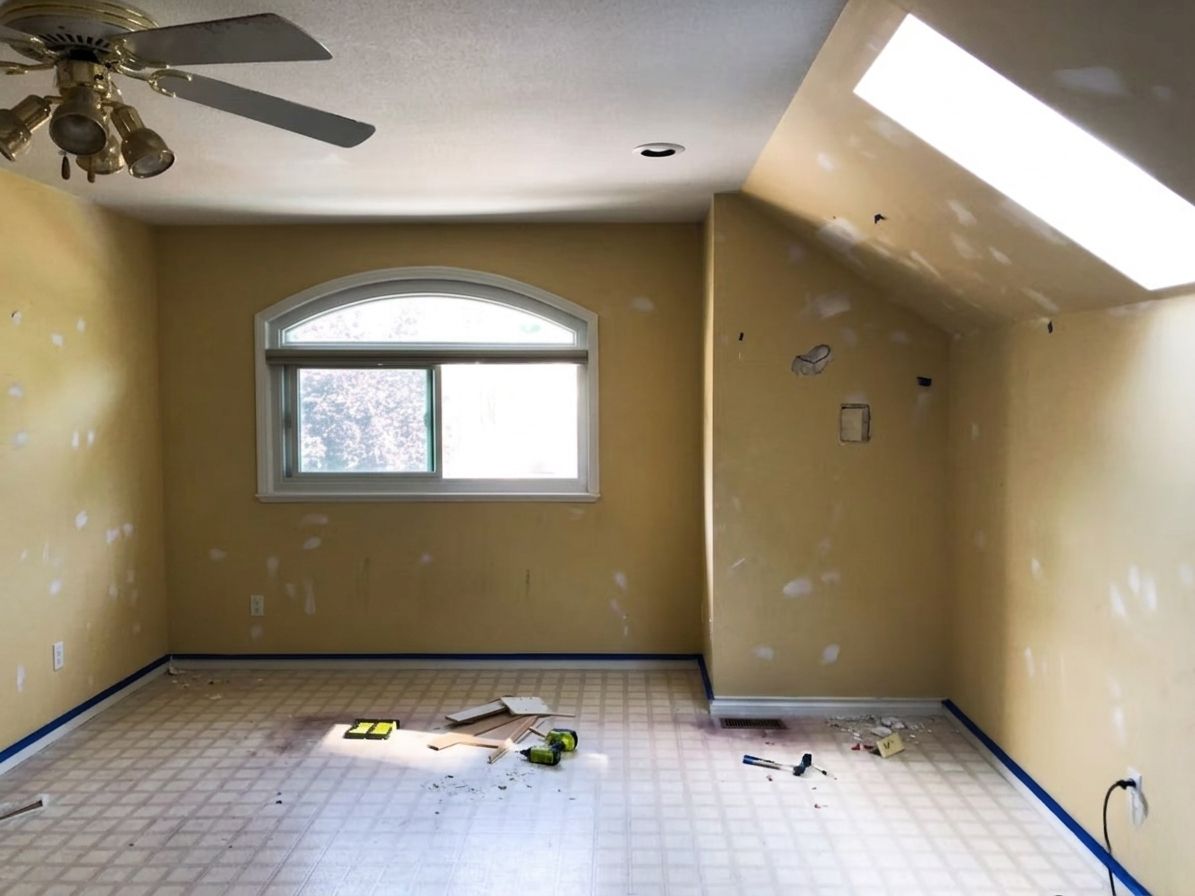
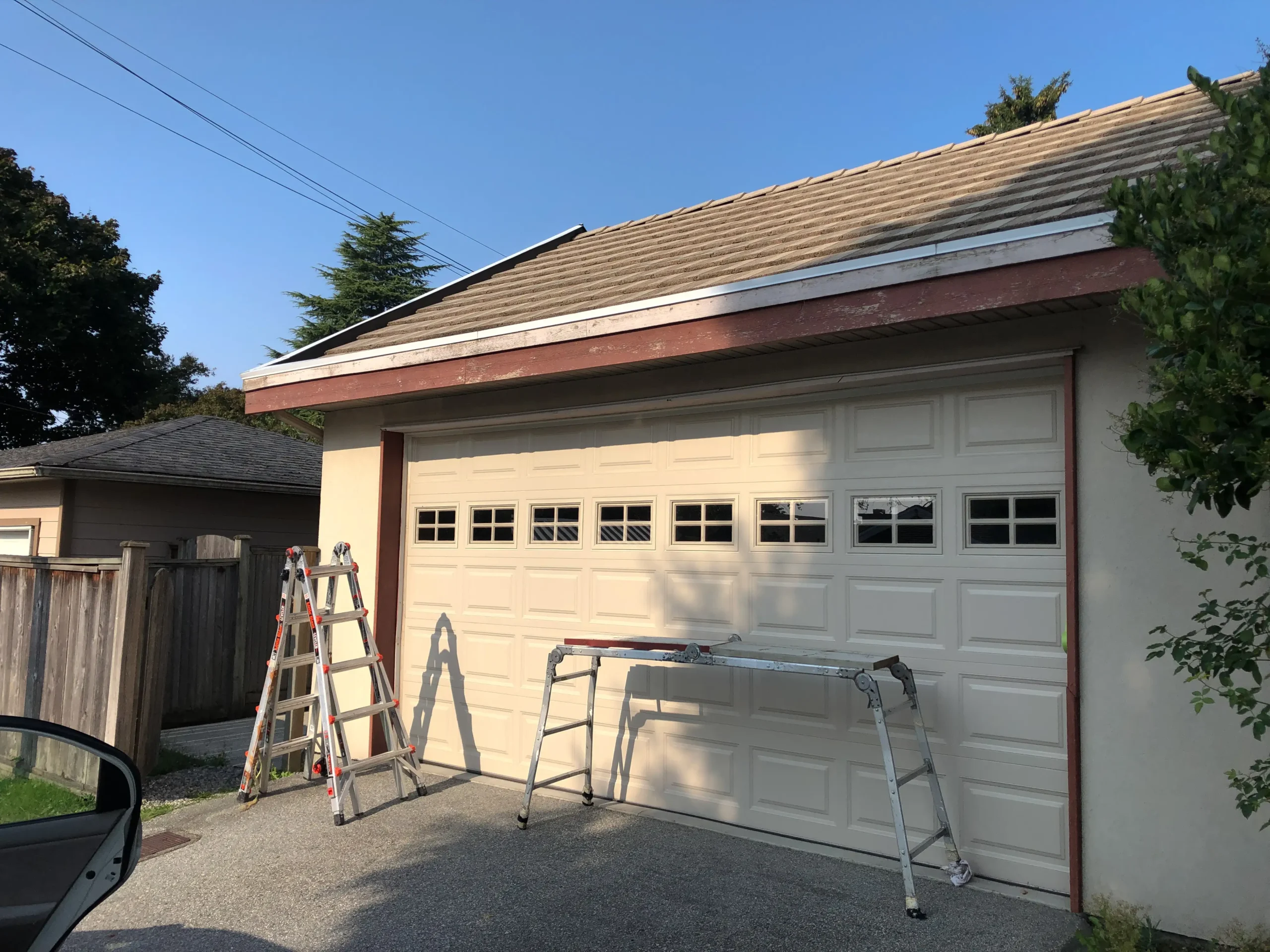
Damaged drywall, cracks, dents, nail holes and worn trim can all affect the final appearance of painted surfaces. Completing repairs before painting helps create smoother finishes and better paint adhesion. Many painting projects also involve minor carpentry work, caulking and rotten wood repairs before paint is applied.
Proper preparation remains one of the most important parts of any painting project. Cleaning surfaces, sanding rough areas, repairing imperfections and protecting surrounding spaces all contribute to a better result. Skipping preparation often leads to finishes that wear out sooner or fail to achieve the desired appearance.
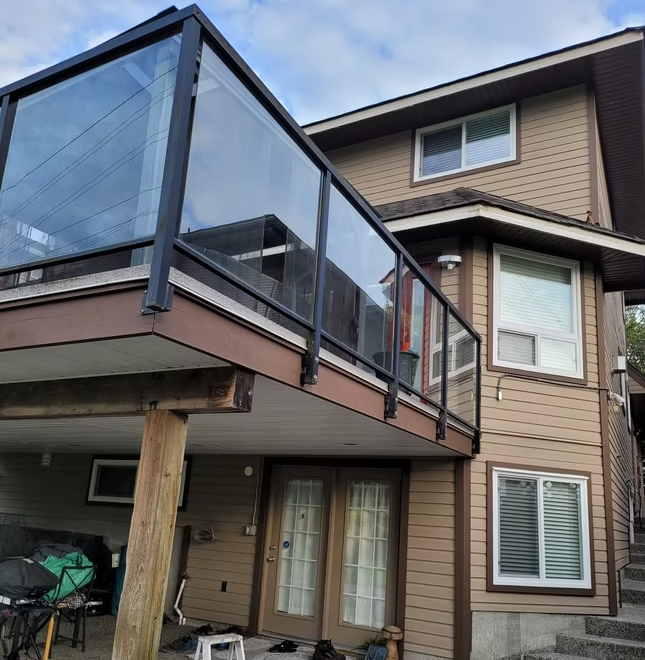
Different paint products are designed for different environments and surfaces. Walls, ceilings, cabinets, siding, decks and concrete floors all require suitable coatings to achieve the best performance. Selecting the right products helps improve durability, appearance and long term maintenance requirements.
Regular maintenance helps painted surfaces continue looking their best for longer. Touch ups, cleaning and repainting high traffic areas when needed can help maintain appearance and reduce the need for larger restoration projects. A proactive approach often extends the life of interior and exterior paint finishes.