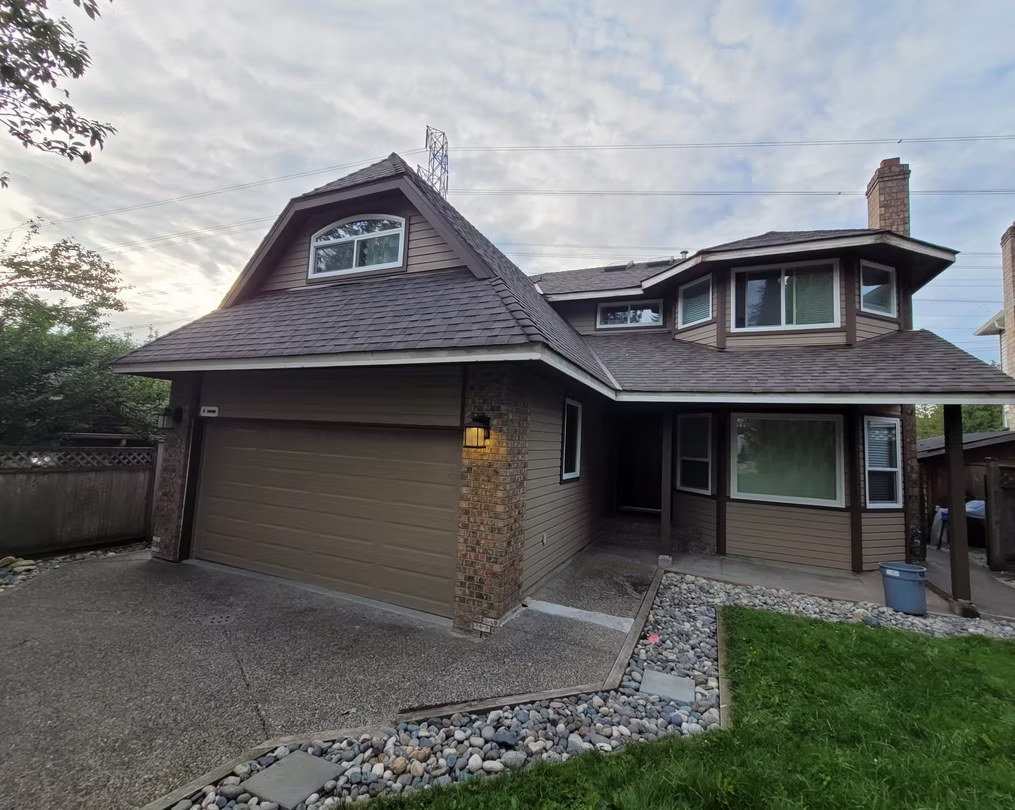
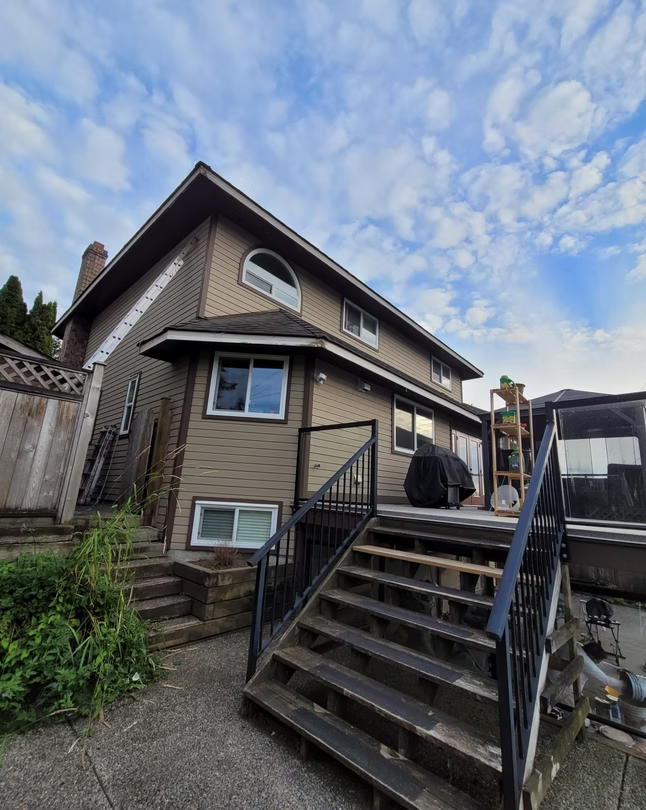
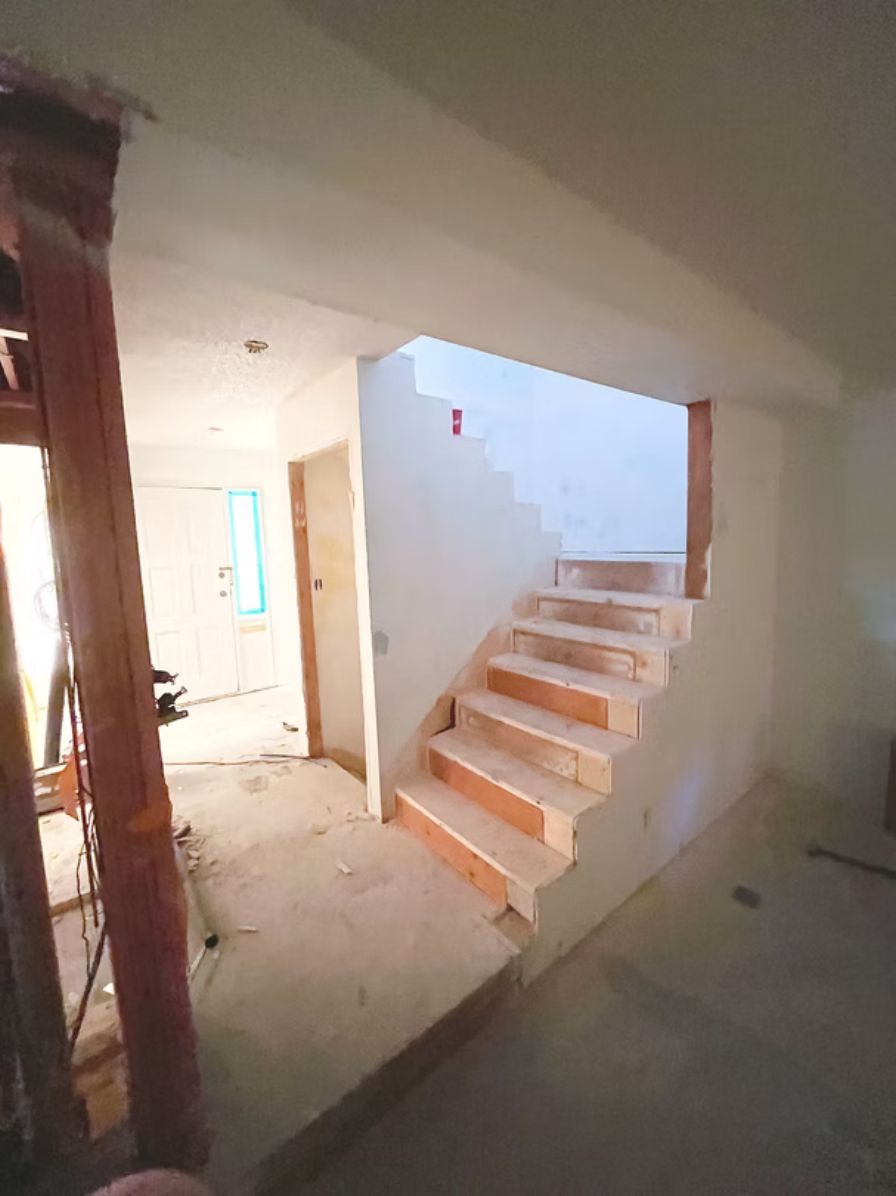
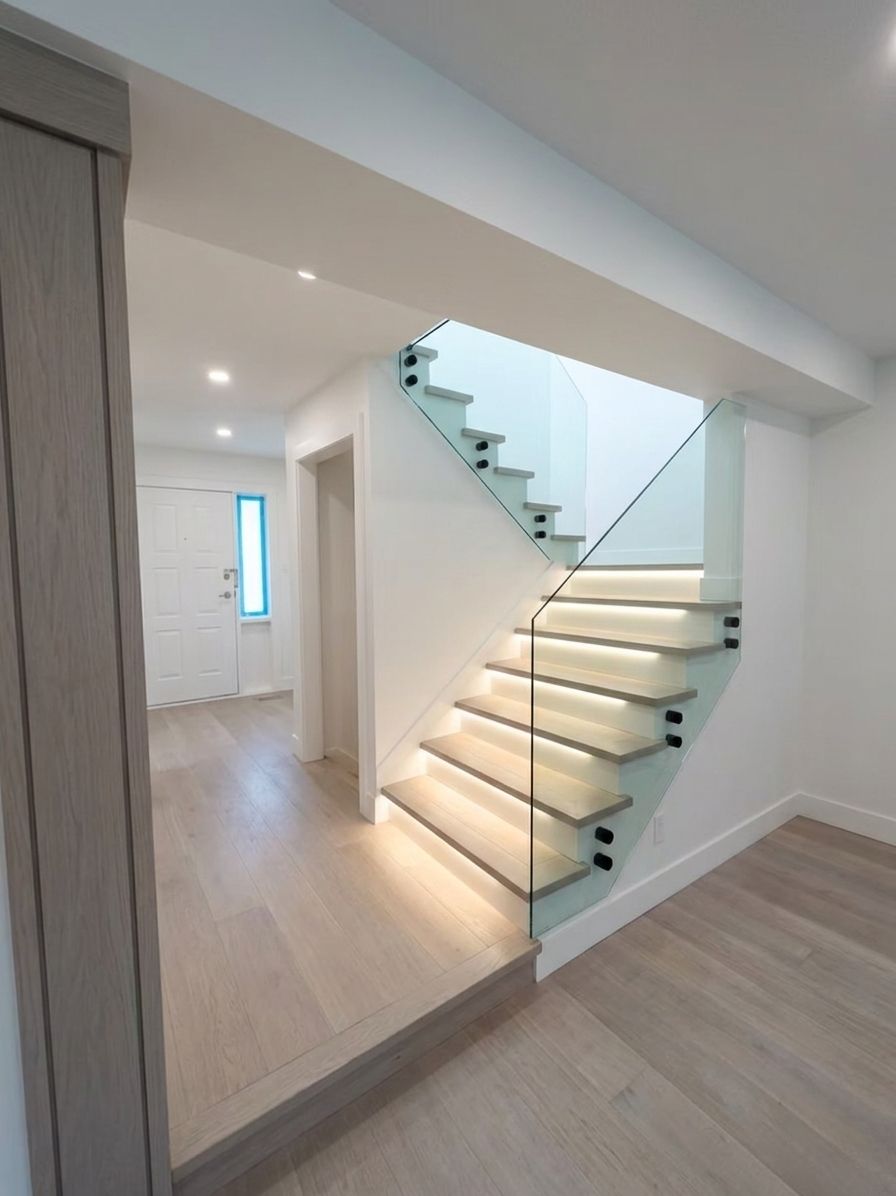
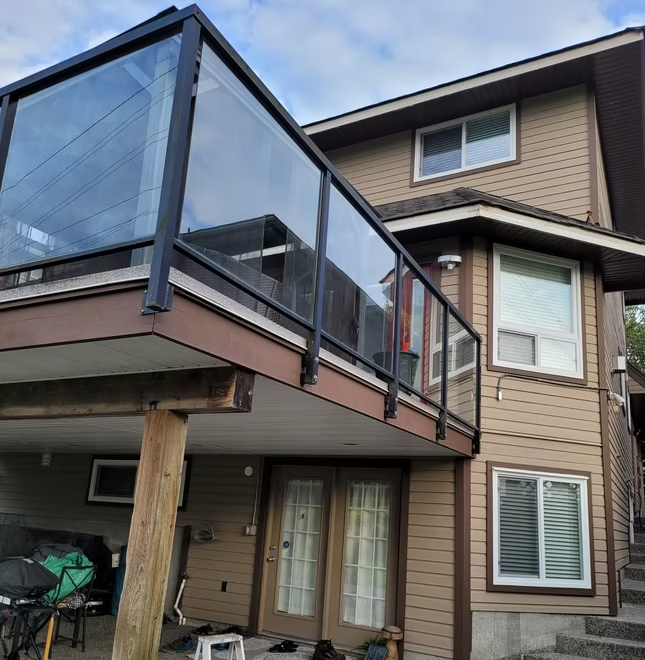
Start by defining exactly what needs to be painted, including rooms, ceilings, trim, doors, cabinets and exterior surfaces. A clear scope should also identify preparation, repairs, materials, coats and cleanup. This gives homeowners a better understanding of what is included and makes it easier to compare painting estimates on an equal basis.
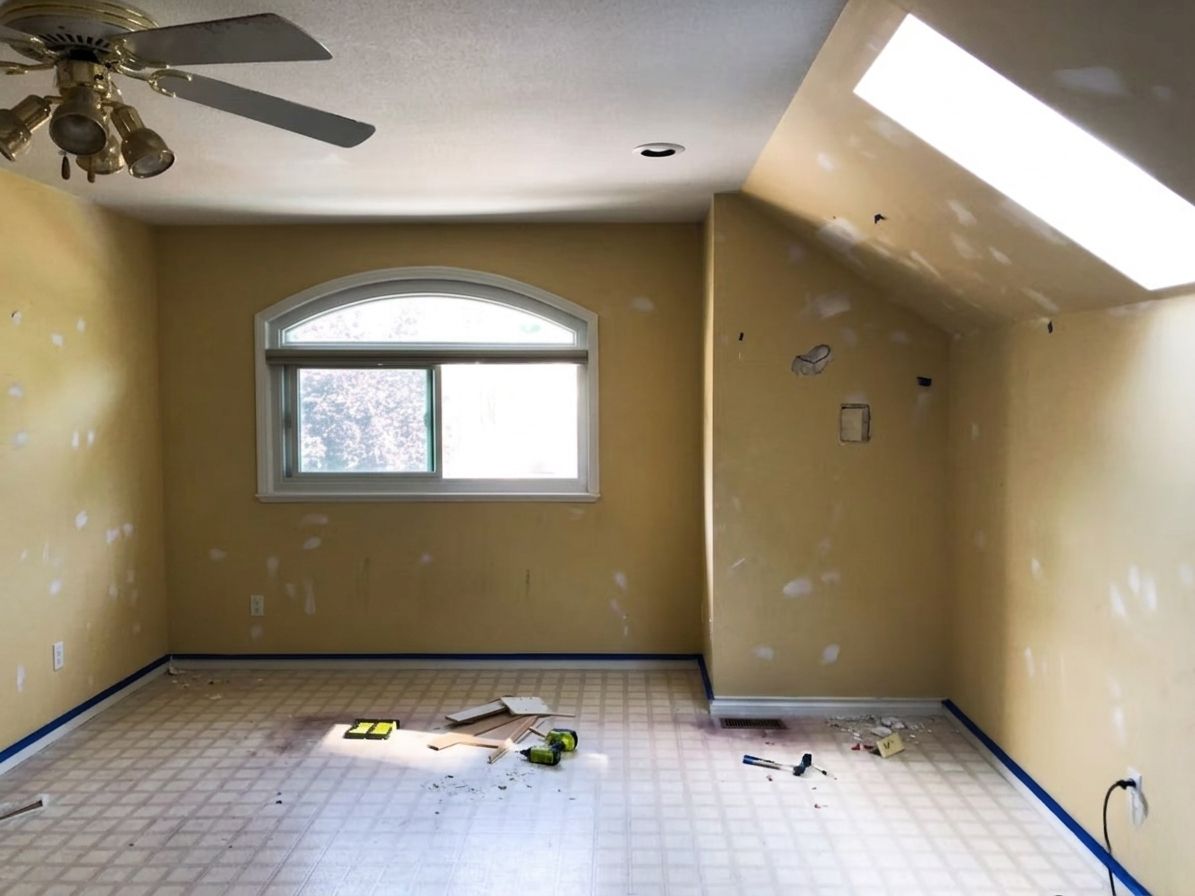
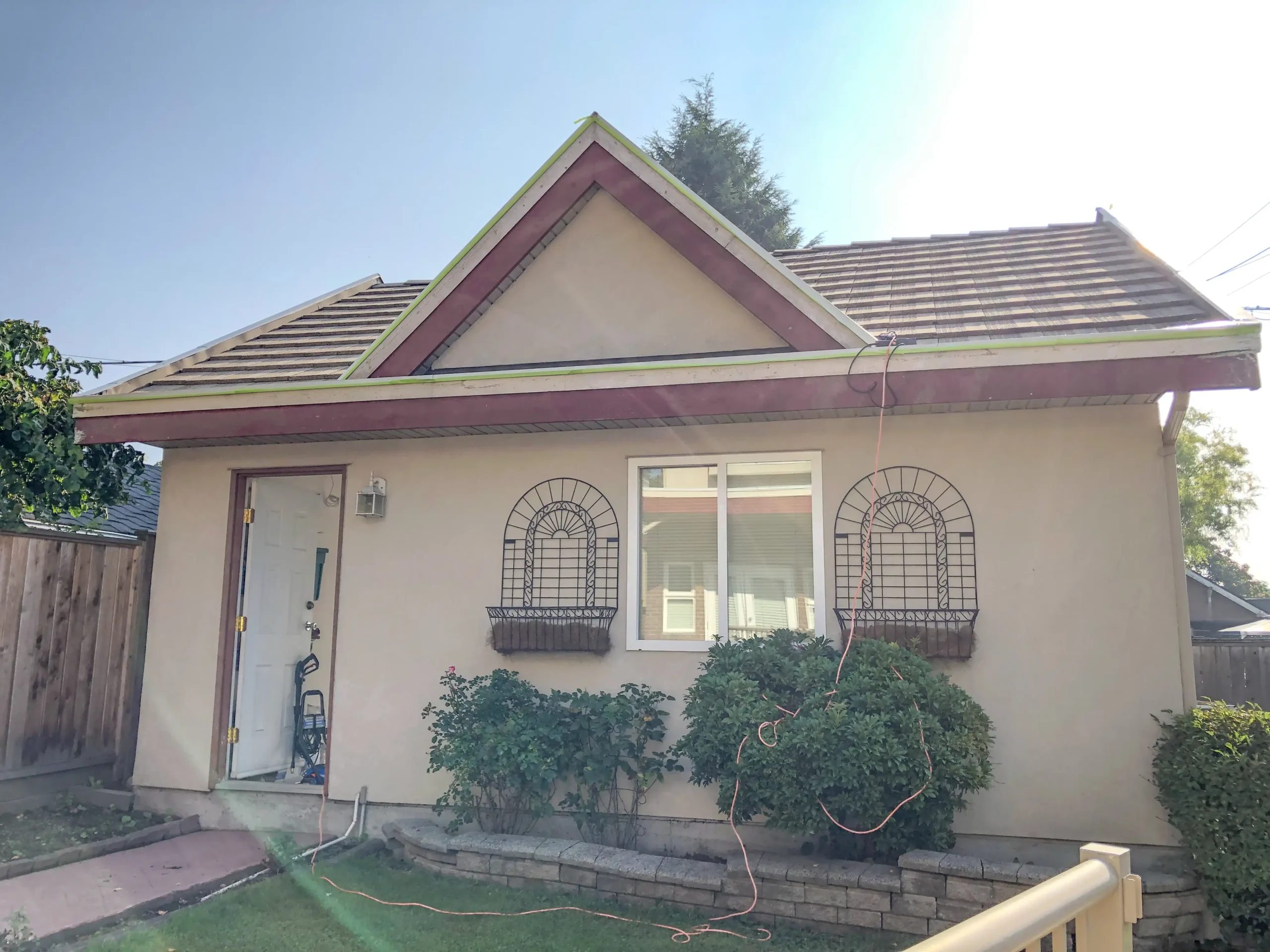
Good painting begins with a suitable surface. Interior walls may need patching, sanding and cleaning, while exterior surfaces can require pressure washing, scraping, caulking or wood repairs. Preparation should be matched to the condition of the surface rather than treated as a quick preliminary step, because imperfections left underneath can affect the finished coating.
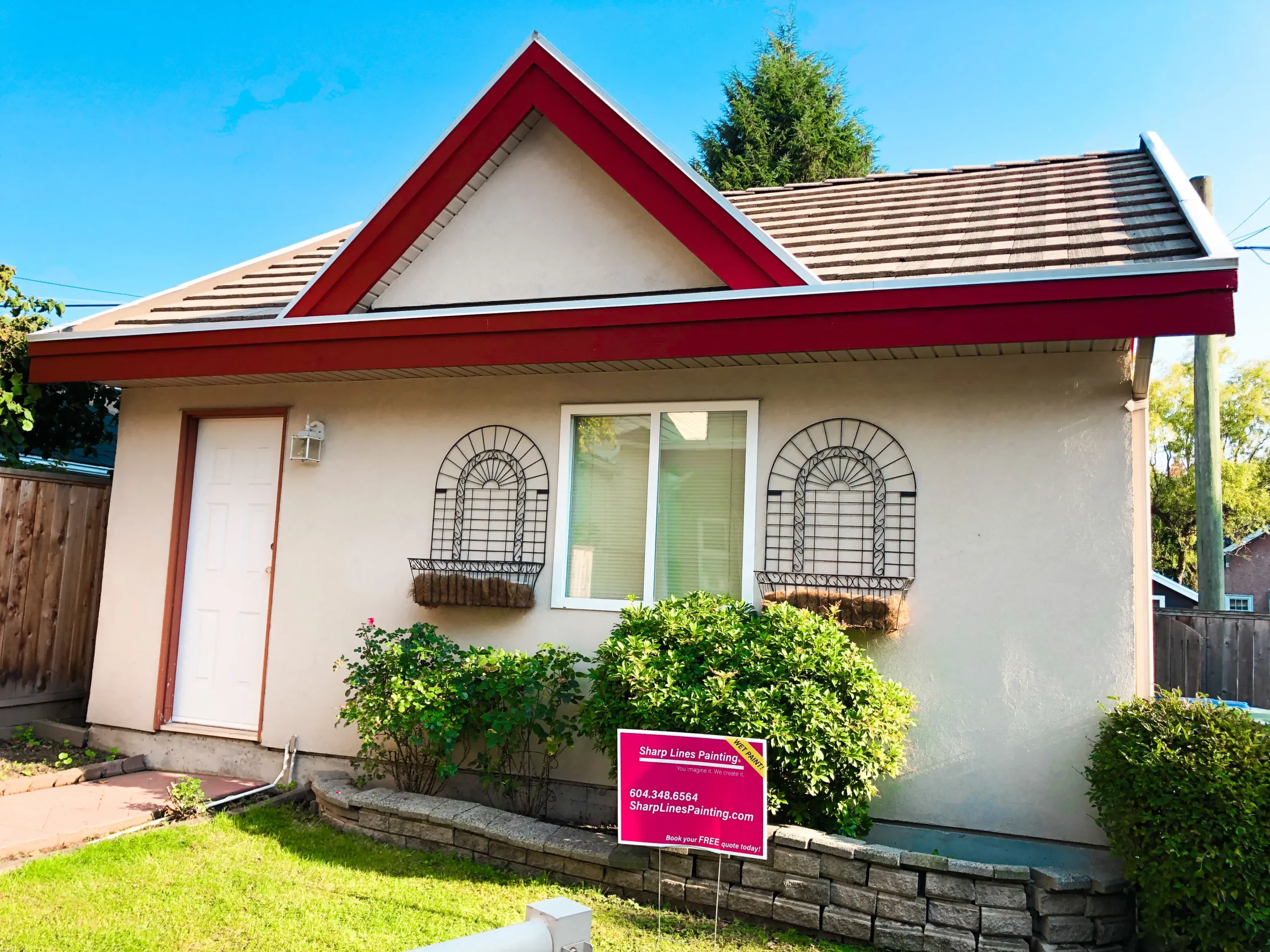
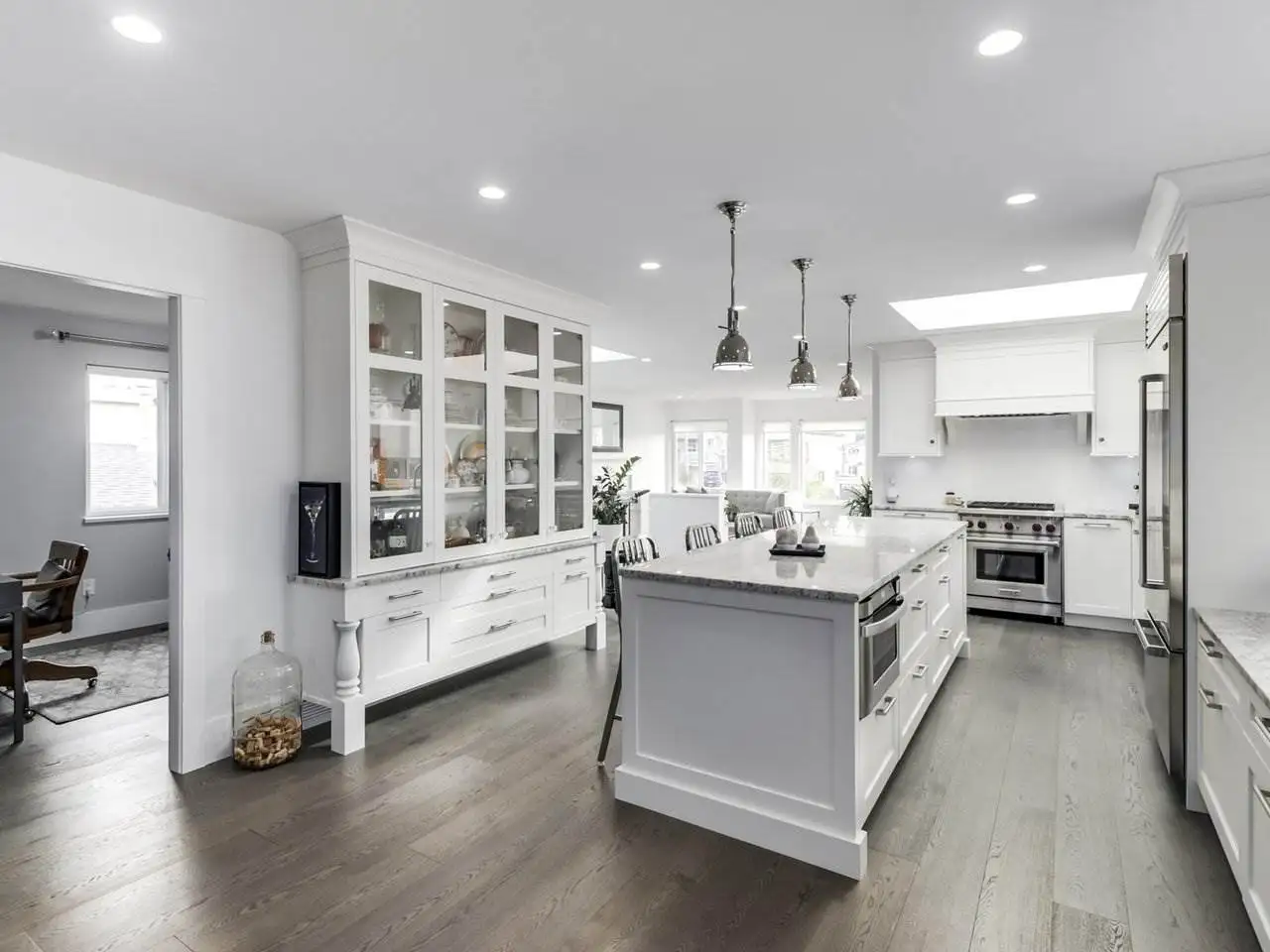
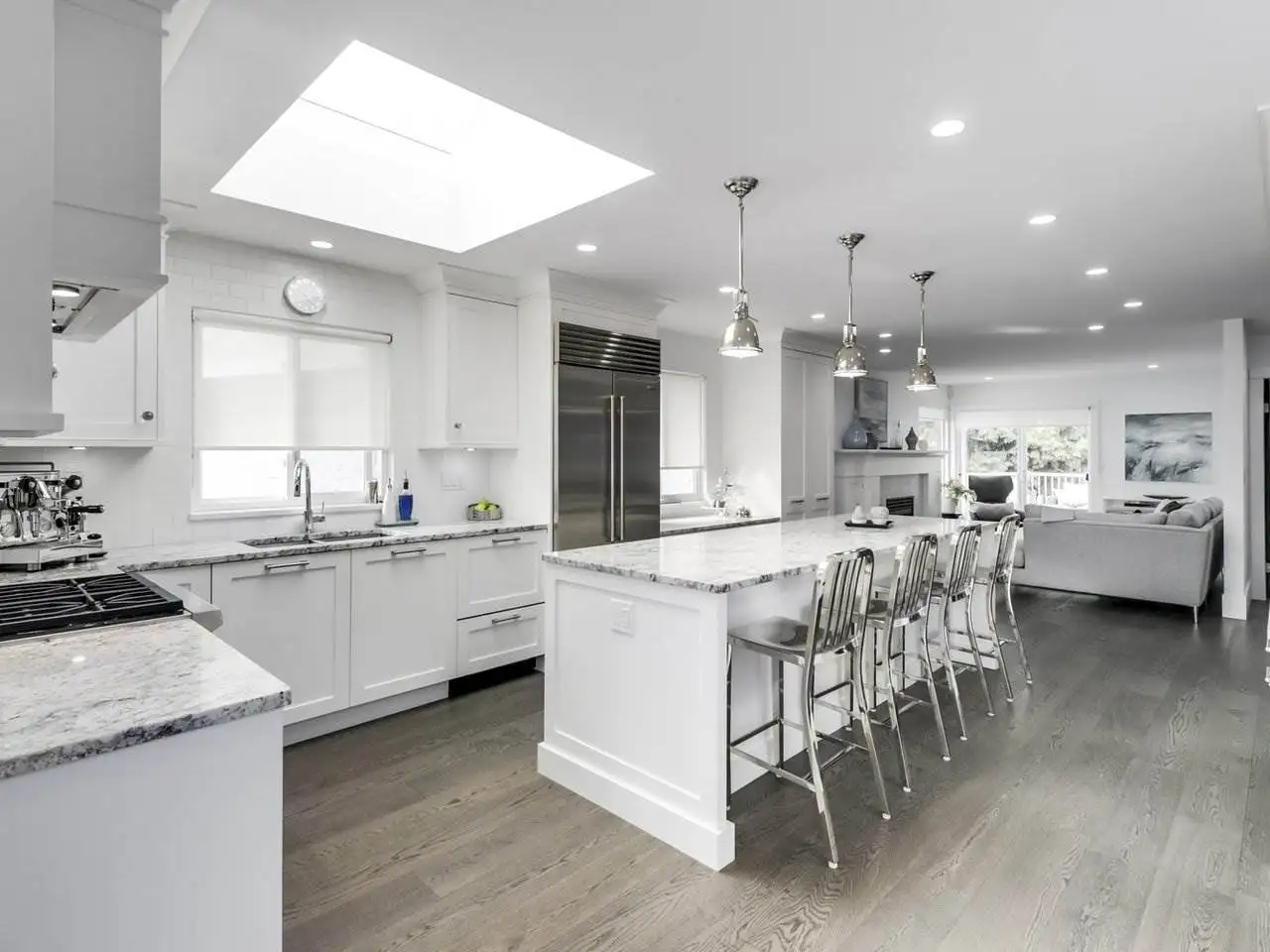
Paint sheen should be selected according to the surface and how the area is used. Washable finishes can be practical for kitchens, hallways and busy living areas, while different sheen levels may be chosen for trim, doors and cabinetry. Exterior coatings should also be appropriate for the material being painted and its level of exposure.
Damaged drywall, deteriorated wood, cracks and failed caulking should be identified before painting. Minor repairs may be handled as part of preparation, while more extensive damage can require additional work. Repairing the underlying surface first helps prevent a fresh coat of paint from concealing problems that could remain visible or worsen after the project is completed.
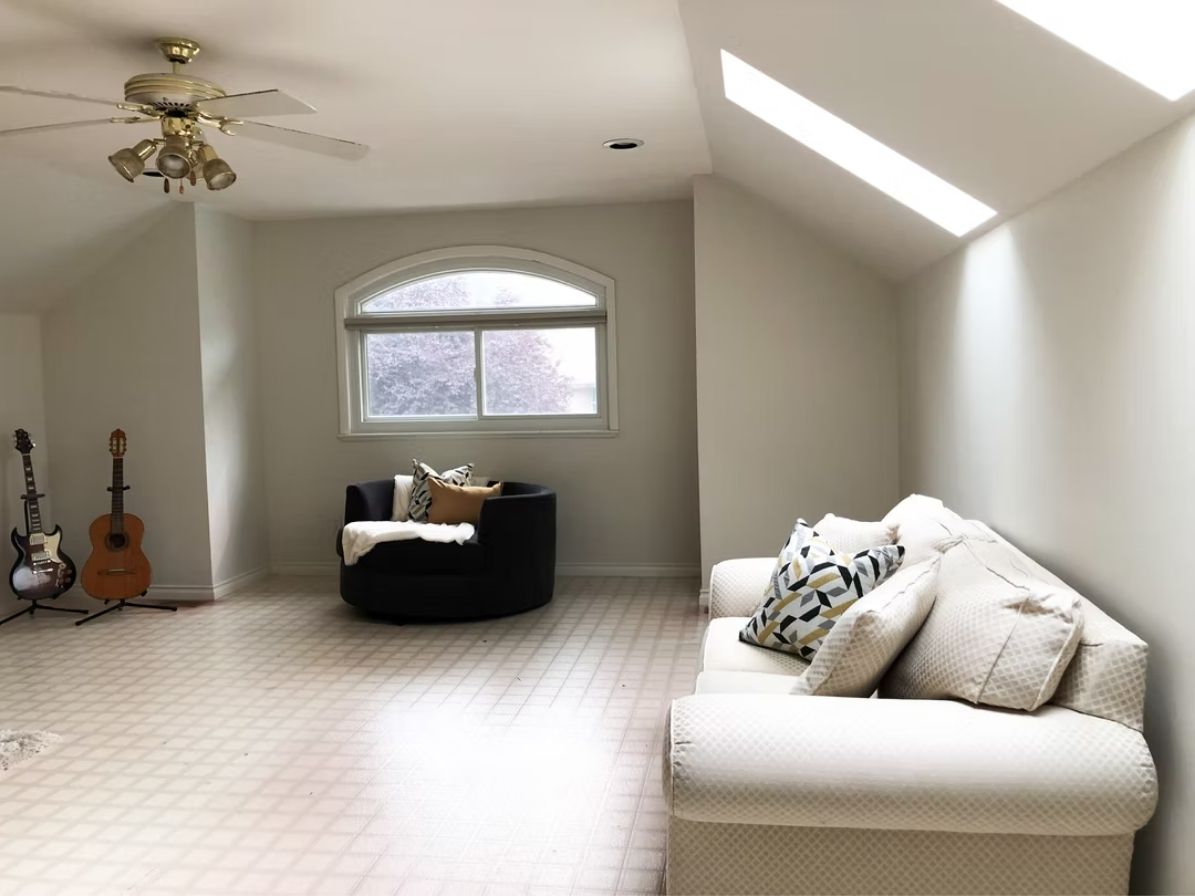
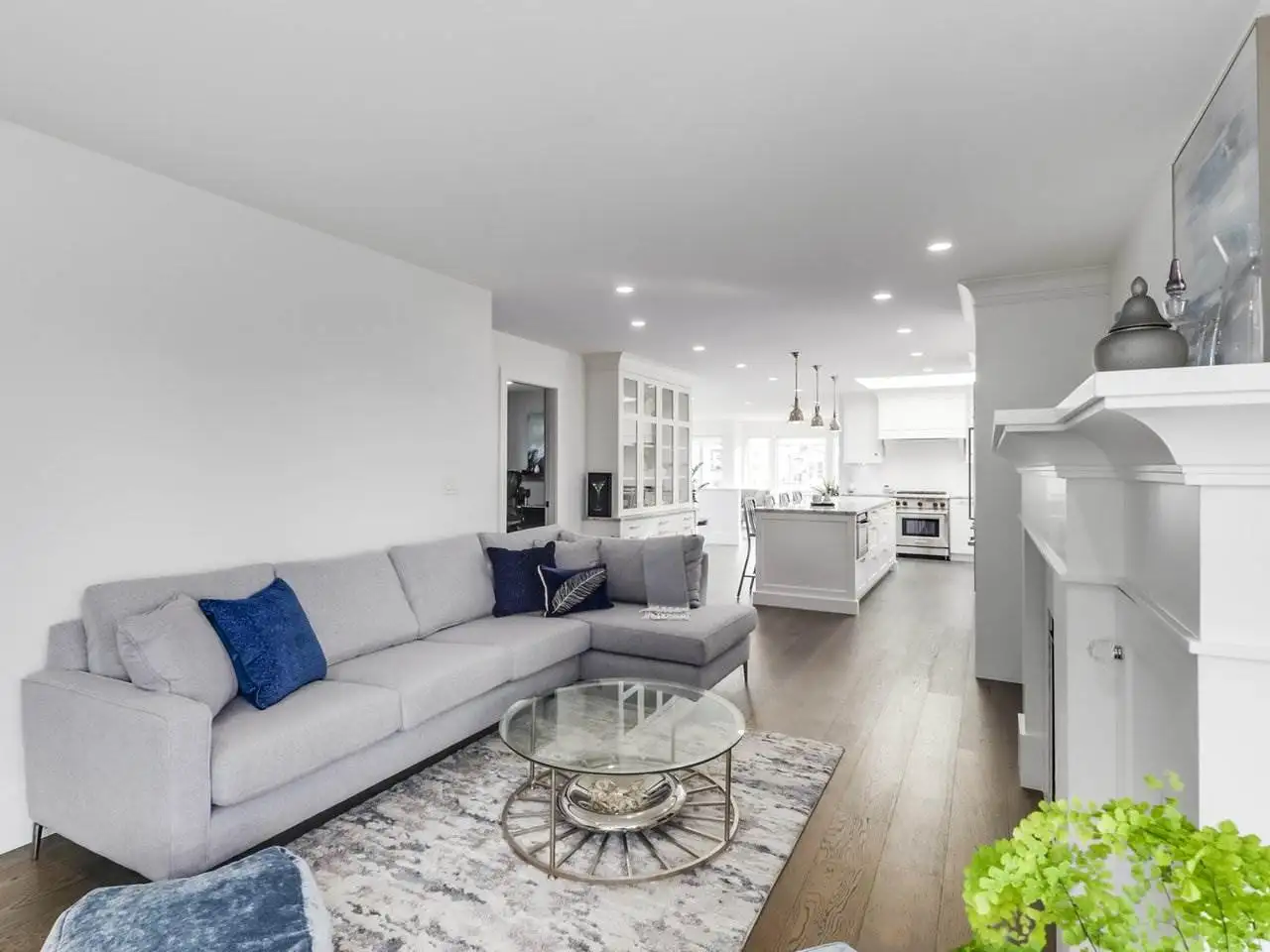
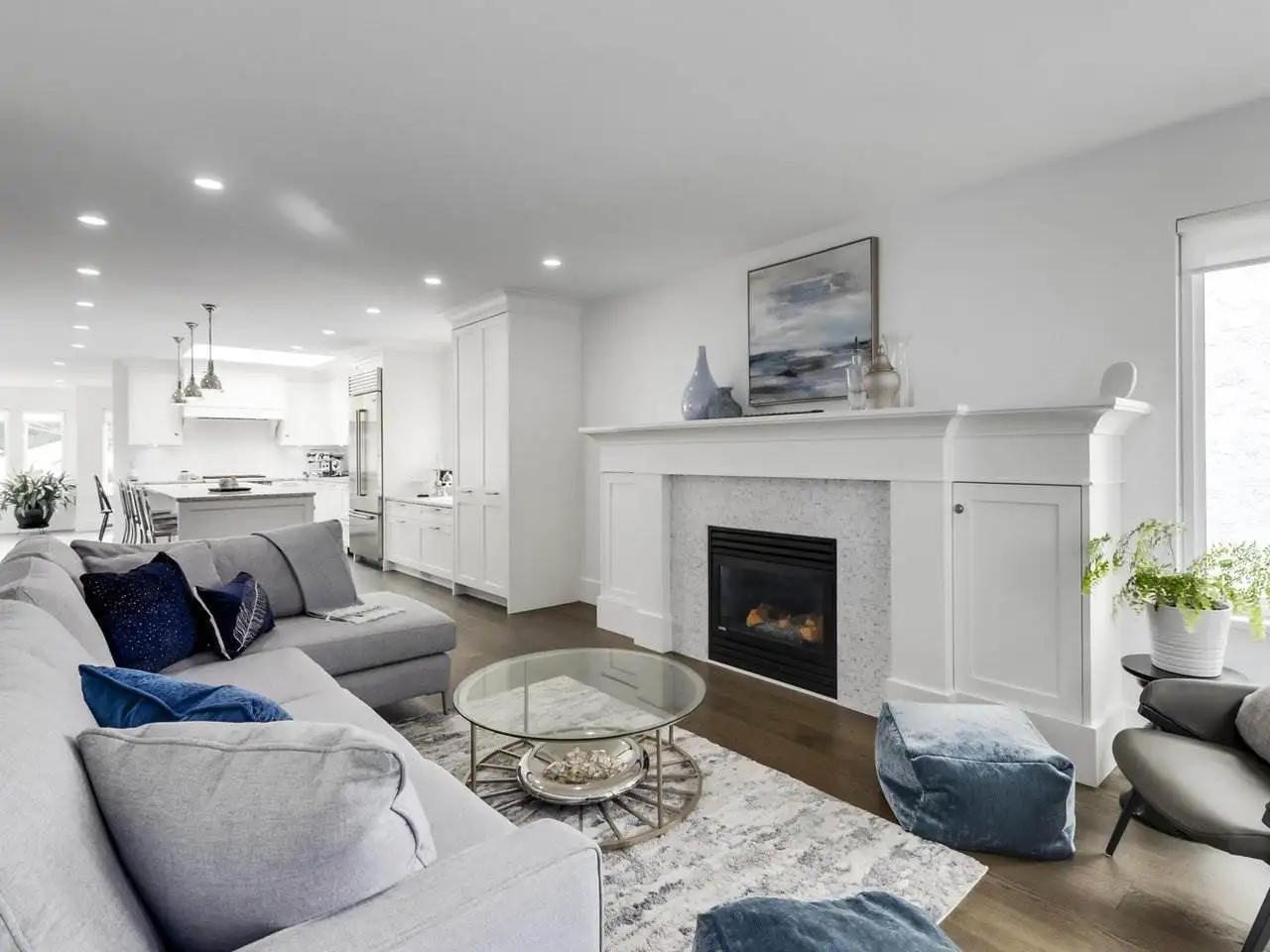
Colour selection should take into account natural light, existing flooring, cabinetry, countertops and furnishings. A colour that looks good in a small sample may appear different across an entire room. Testing samples in the actual space can help homeowners evaluate the colour at different times of day before committing to a larger painting project.
Painting timelines depend on project size, preparation, repairs, number of coats and whether interior or exterior surfaces are included. Discussing access, furniture protection, colour selections and the order of work beforehand can make scheduling easier. For larger projects, completing the property in planned stages can help maintain access to important rooms and areas.