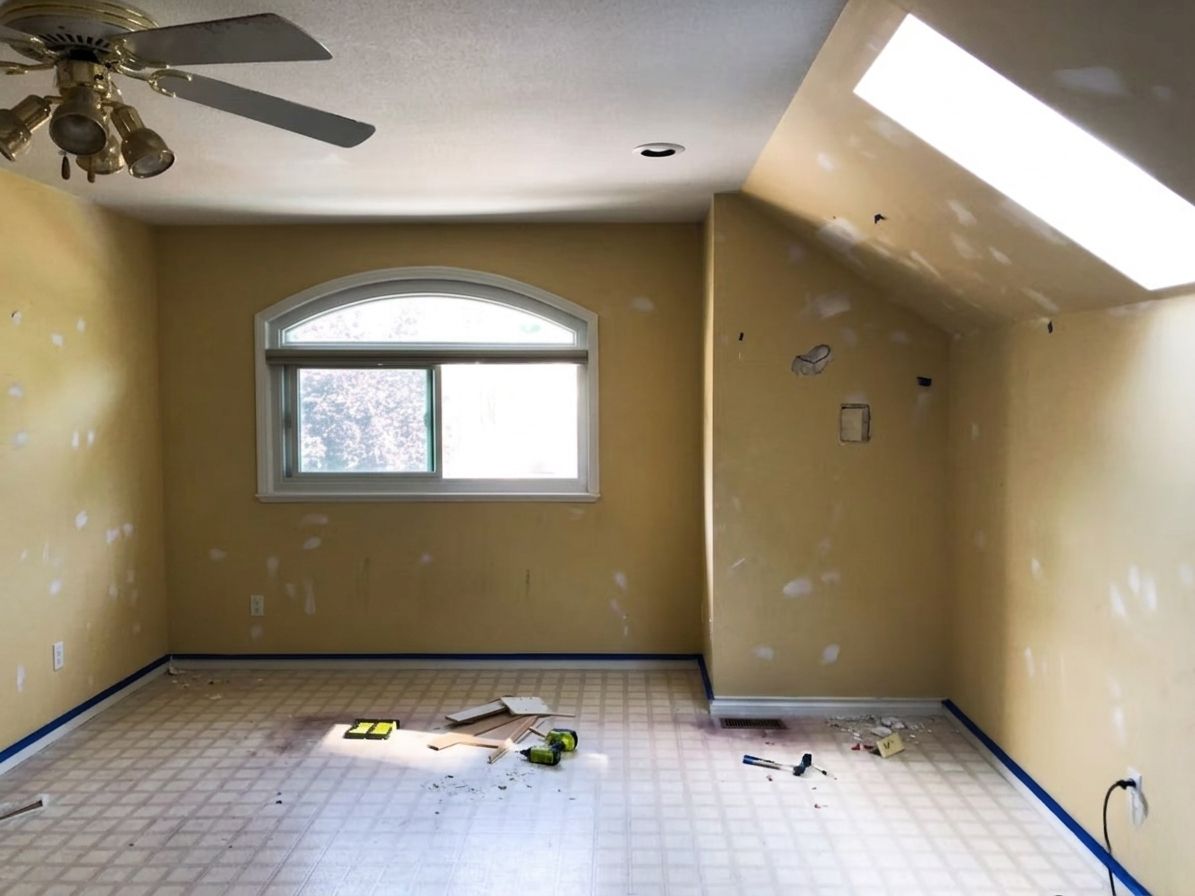
The existing condition of a surface has a direct impact on the preparation and painting process. Peeling paint, cracks, stains, dents, exposed wood and failed caulking should be identified before new coatings are applied. Addressing these issues first can improve adhesion and help prevent visible imperfections from showing through the finished paint.
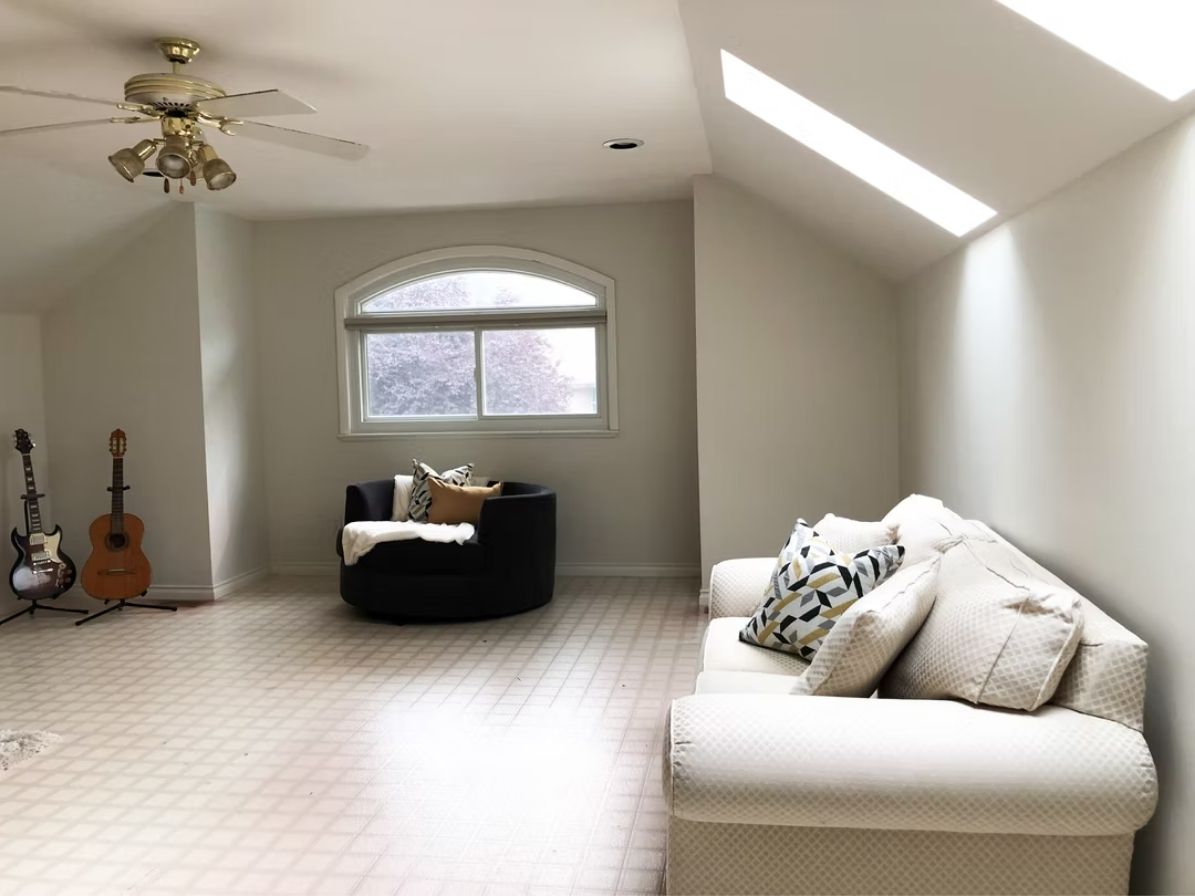
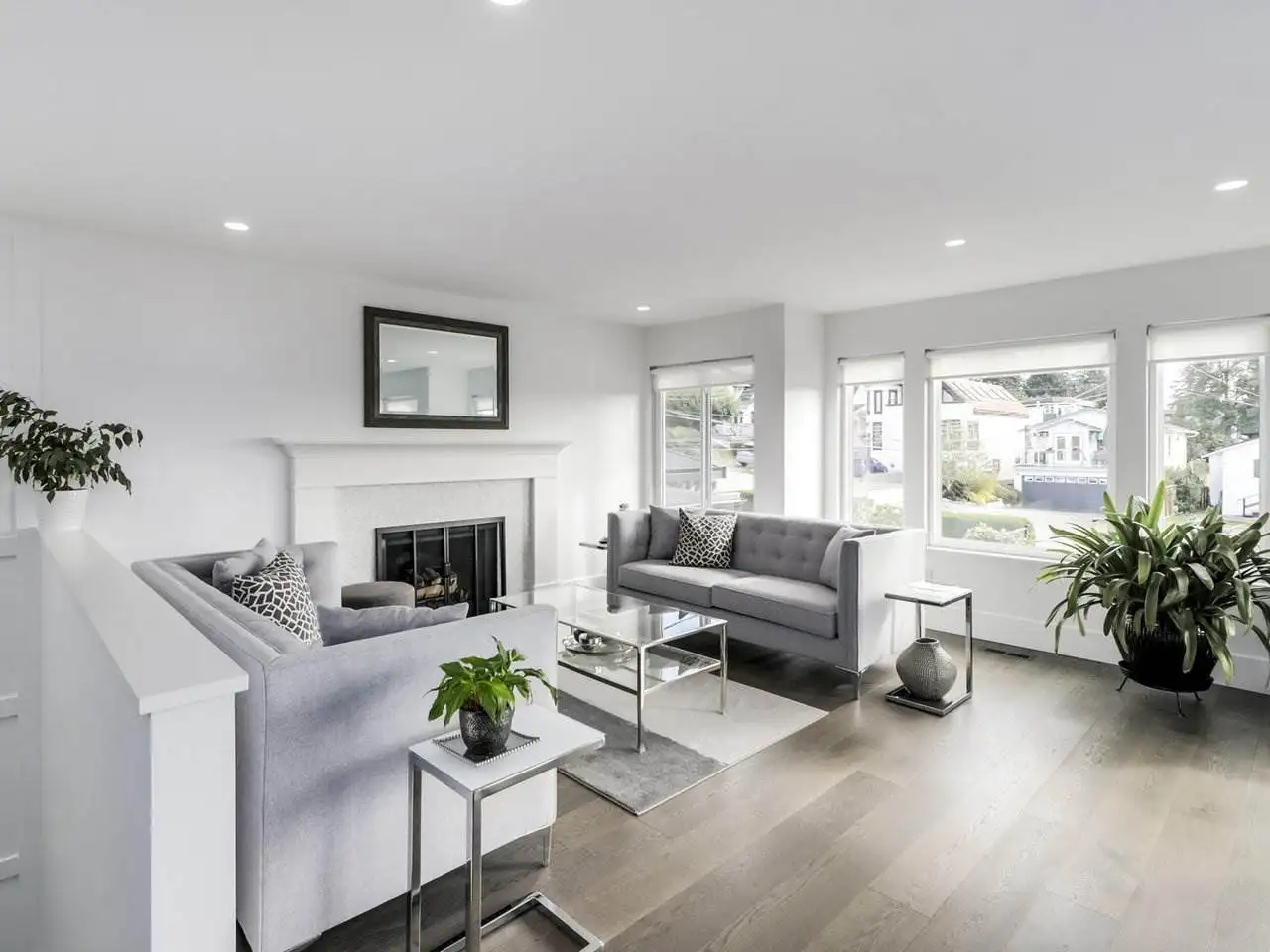
Colour selection should account for natural light, room size, flooring, cabinetry and surrounding finishes. A shade can appear noticeably different depending on the amount and direction of available light. Homeowners often test paint samples before committing to a larger project, particularly when changing from a dark colour to a lighter or more neutral palette.
Different areas of a property benefit from different paint finishes. Lower-sheen options can provide a softer appearance on living room and bedroom walls, while washable finishes may be more practical for kitchens, hallways and other high-use areas. Trim, doors and cabinetry can require different sheen levels depending on the desired appearance and cleaning requirements.
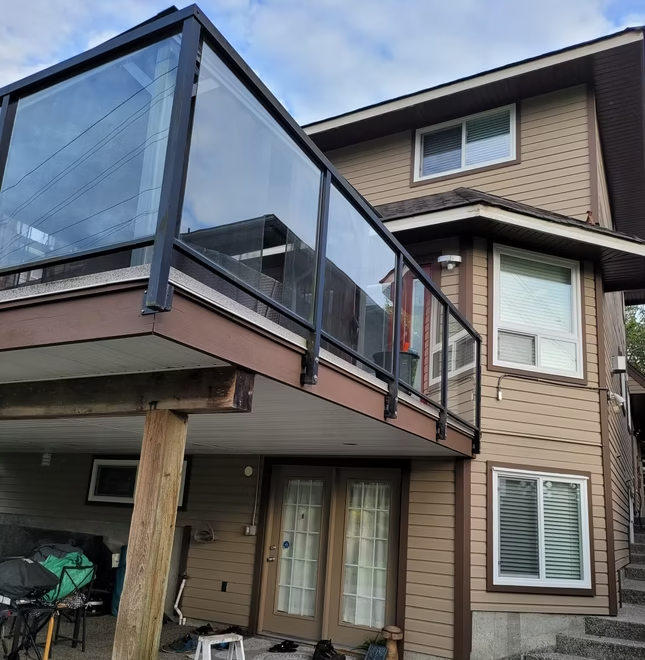
Painting over damaged surfaces can leave problems visible after the new coating has dried. Minor drywall damage, cracked caulking, peeling areas and deteriorated wood should be assessed before painting begins. Including necessary repairs in the project scope helps create a more stable surface and can prevent homeowners from having to redo recently painted areas.
The existing colour and condition of a surface can affect how many coats are needed to achieve an even result. Large colour changes, porous surfaces and heavily marked areas may require additional preparation or paint. Professional painters consider the existing finish and selected colour when planning materials so the project has sufficient coverage without unnecessary application.
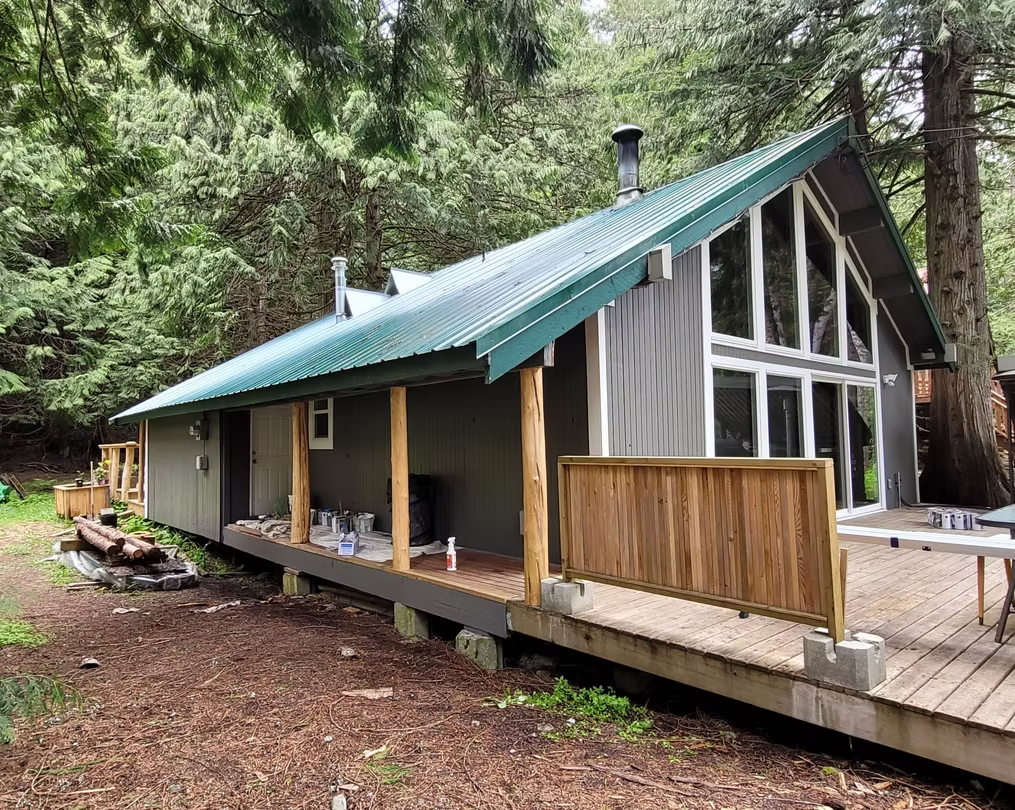
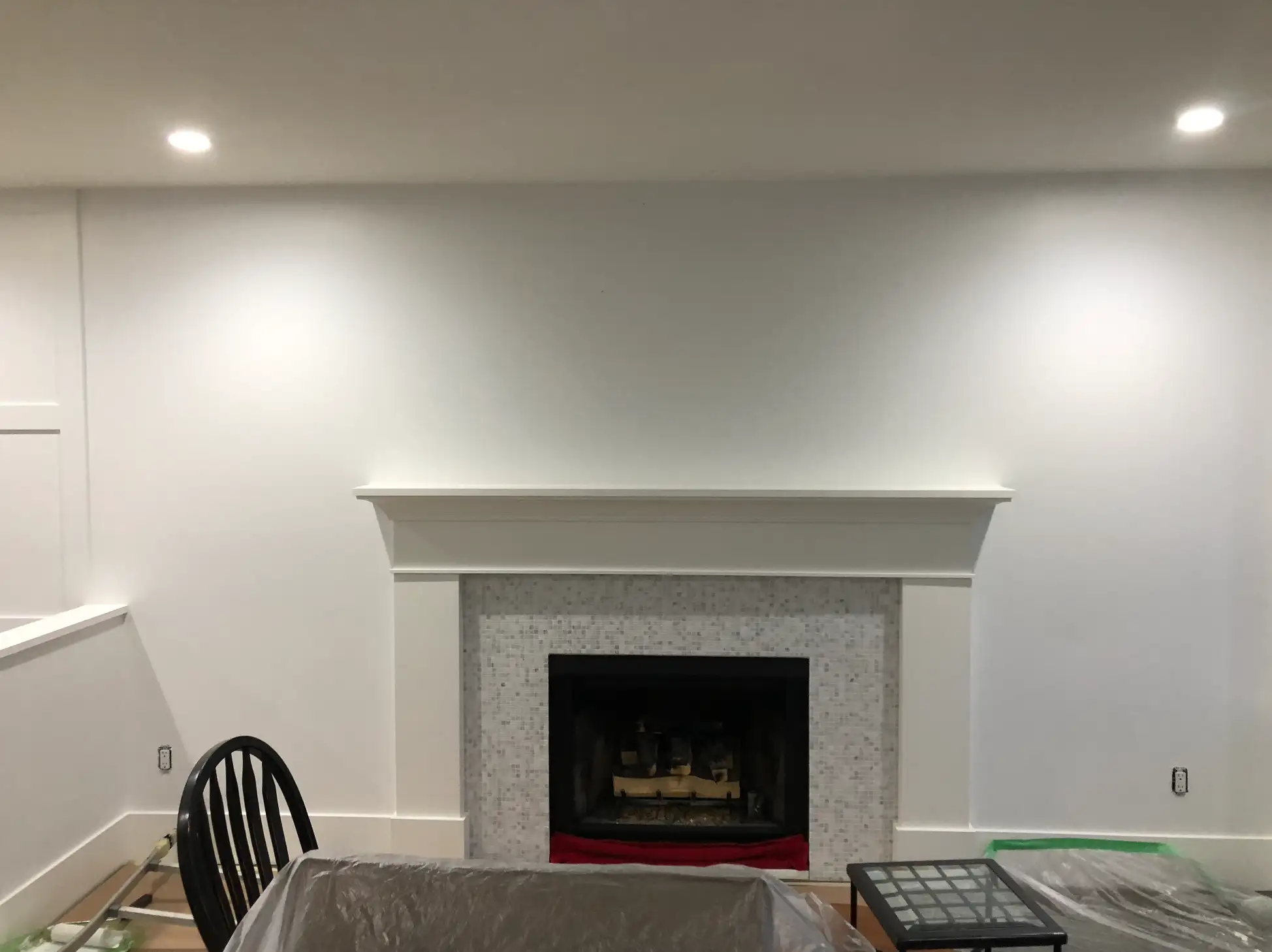
A professional painting project should include a clear plan for protecting surrounding areas and completing cleanup. Floors, furniture, fixtures and adjacent surfaces may need to be covered before work begins. Once painting is complete, removing protective materials, collecting debris and leaving the work areas orderly are important parts of completing the project properly.