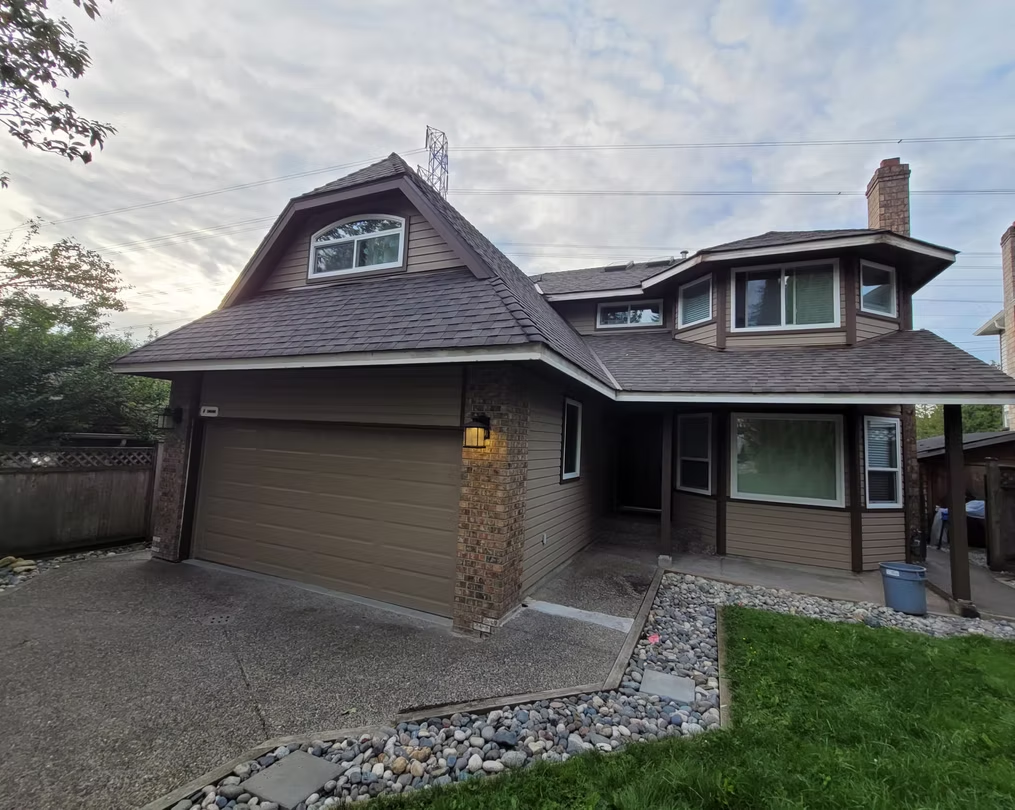
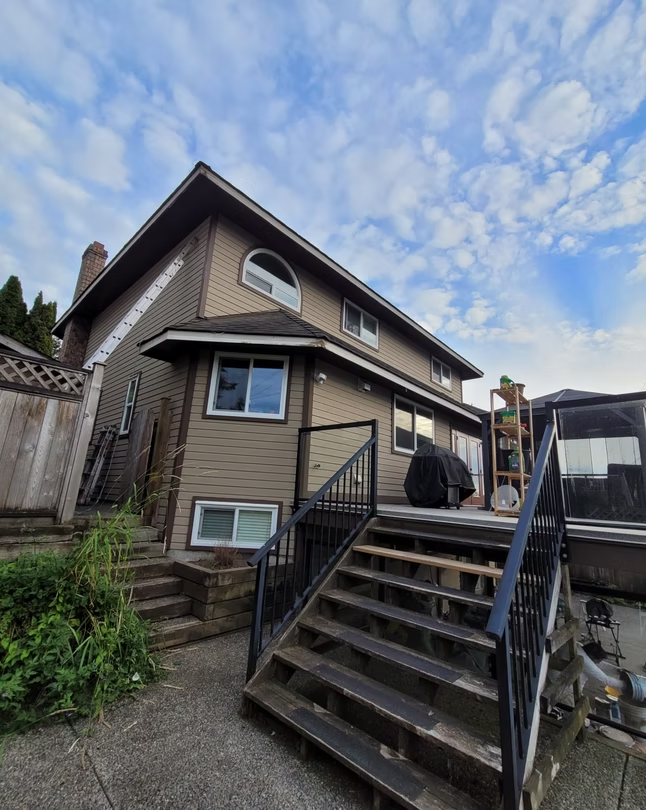
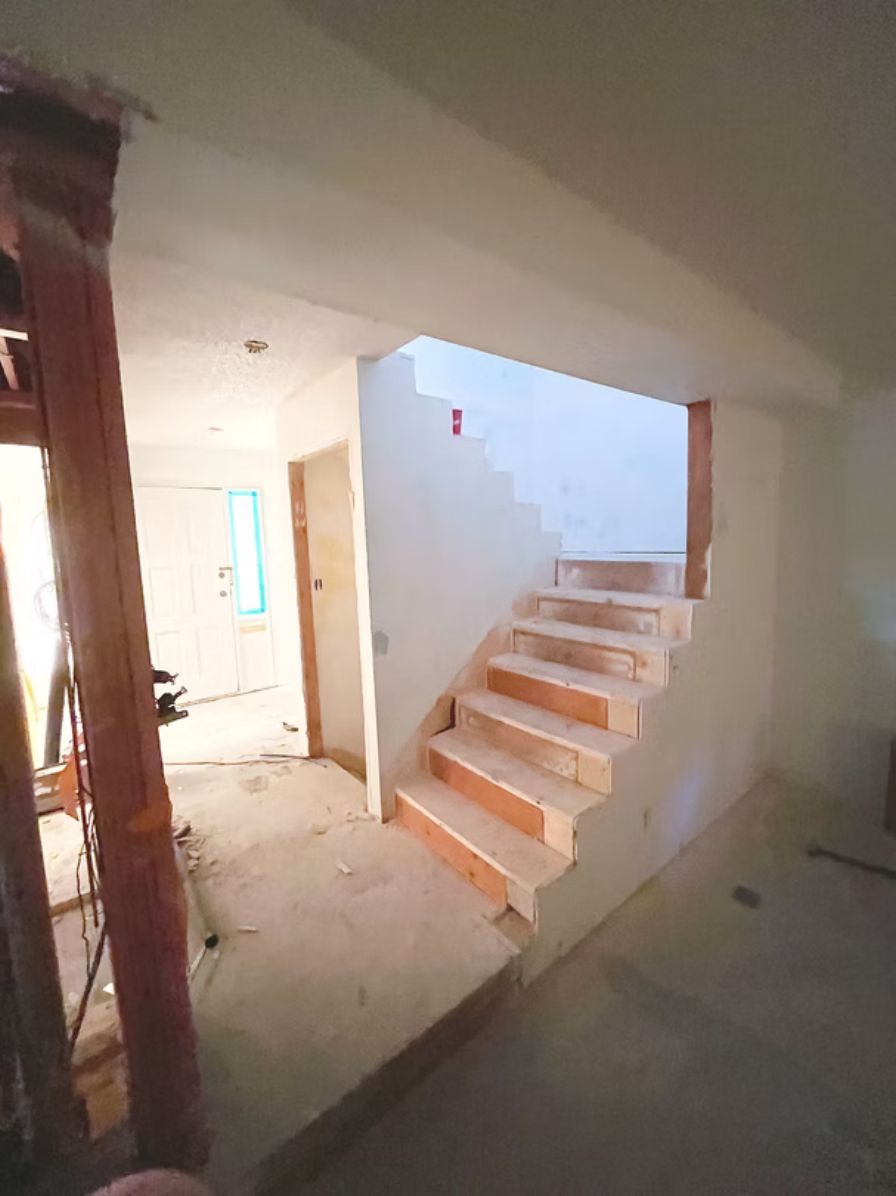
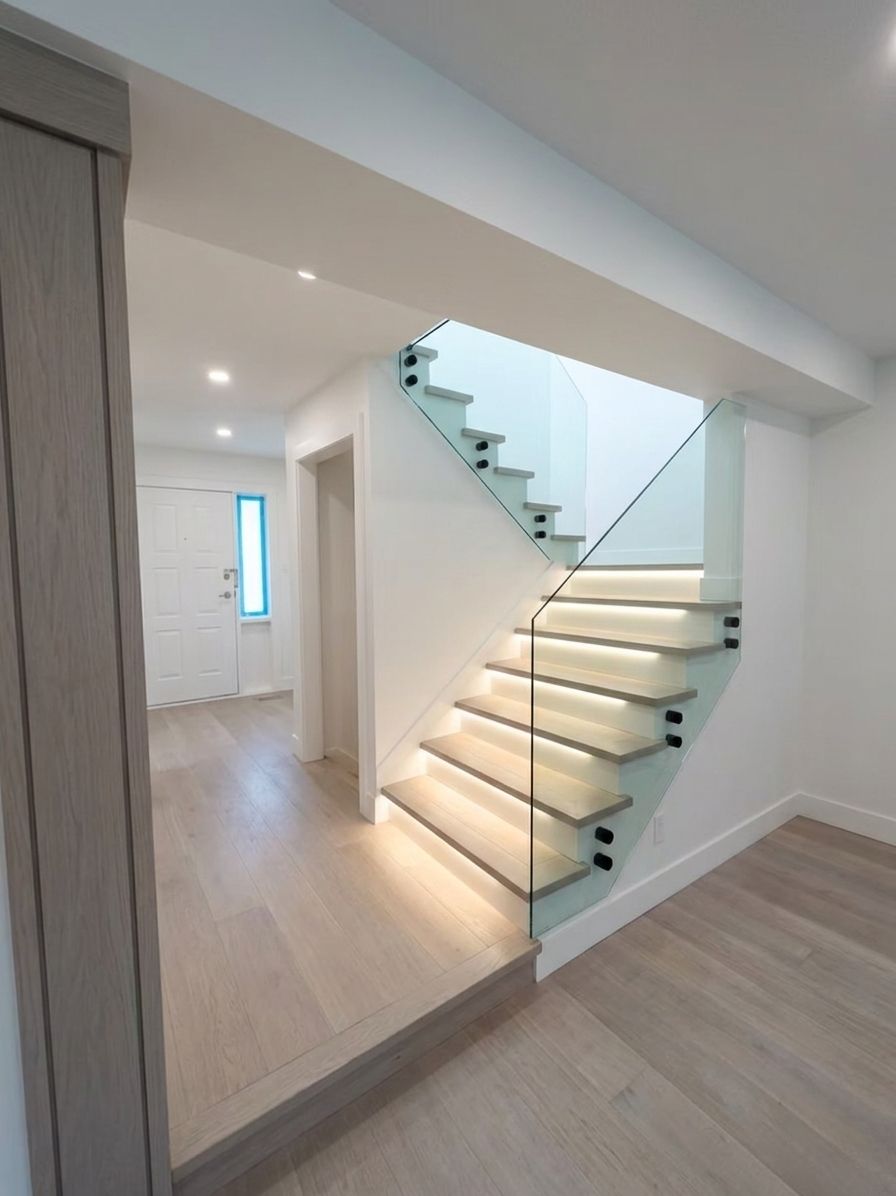
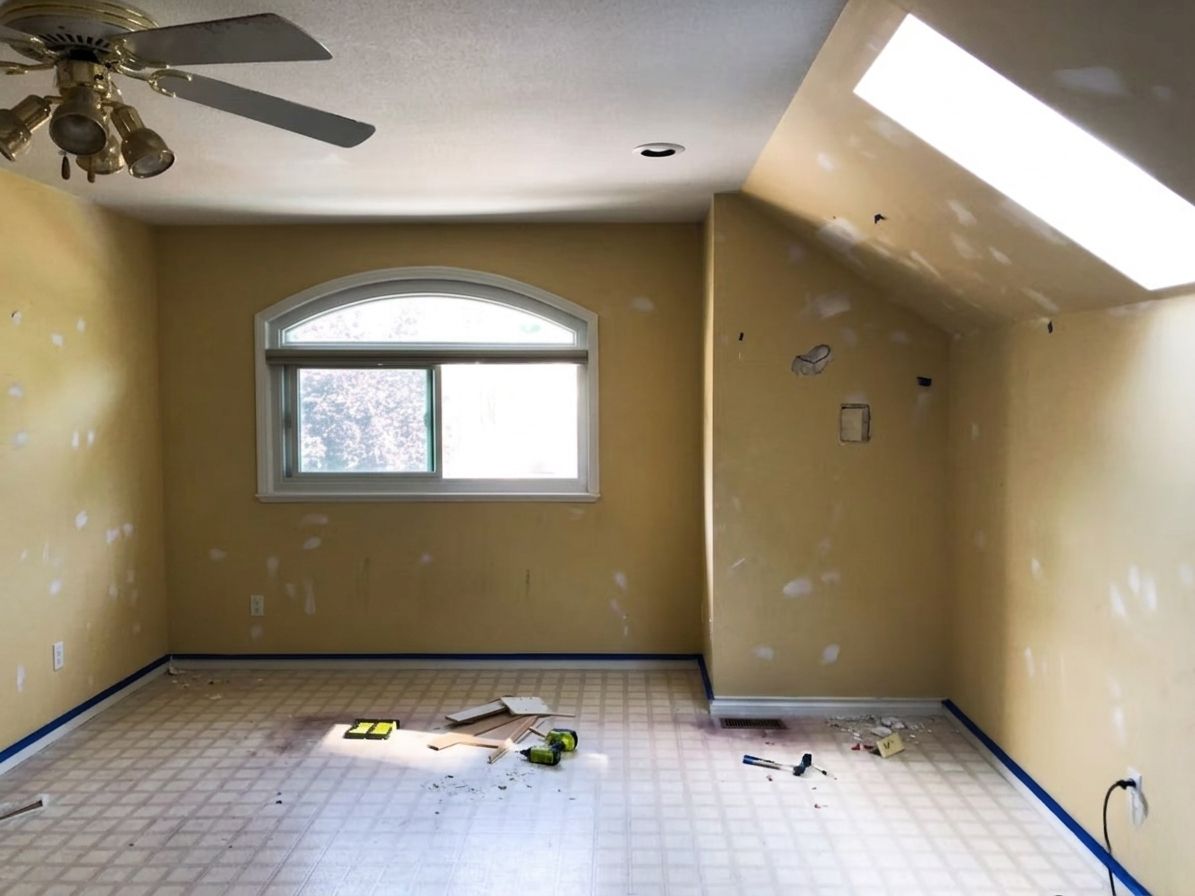
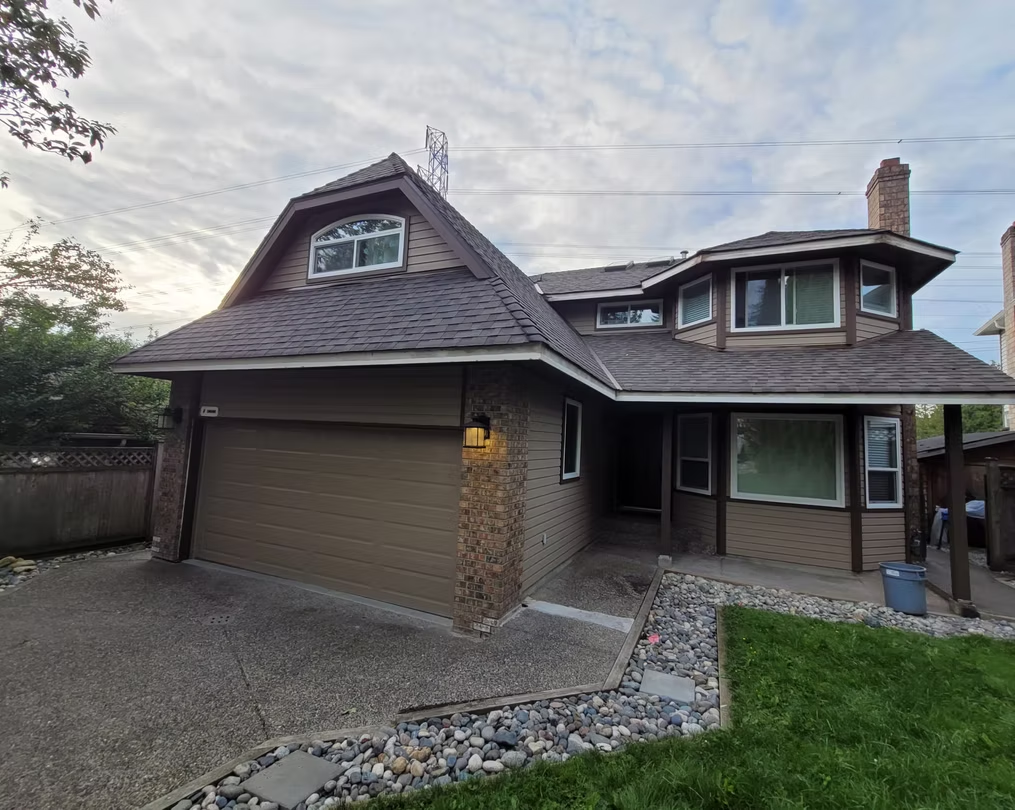
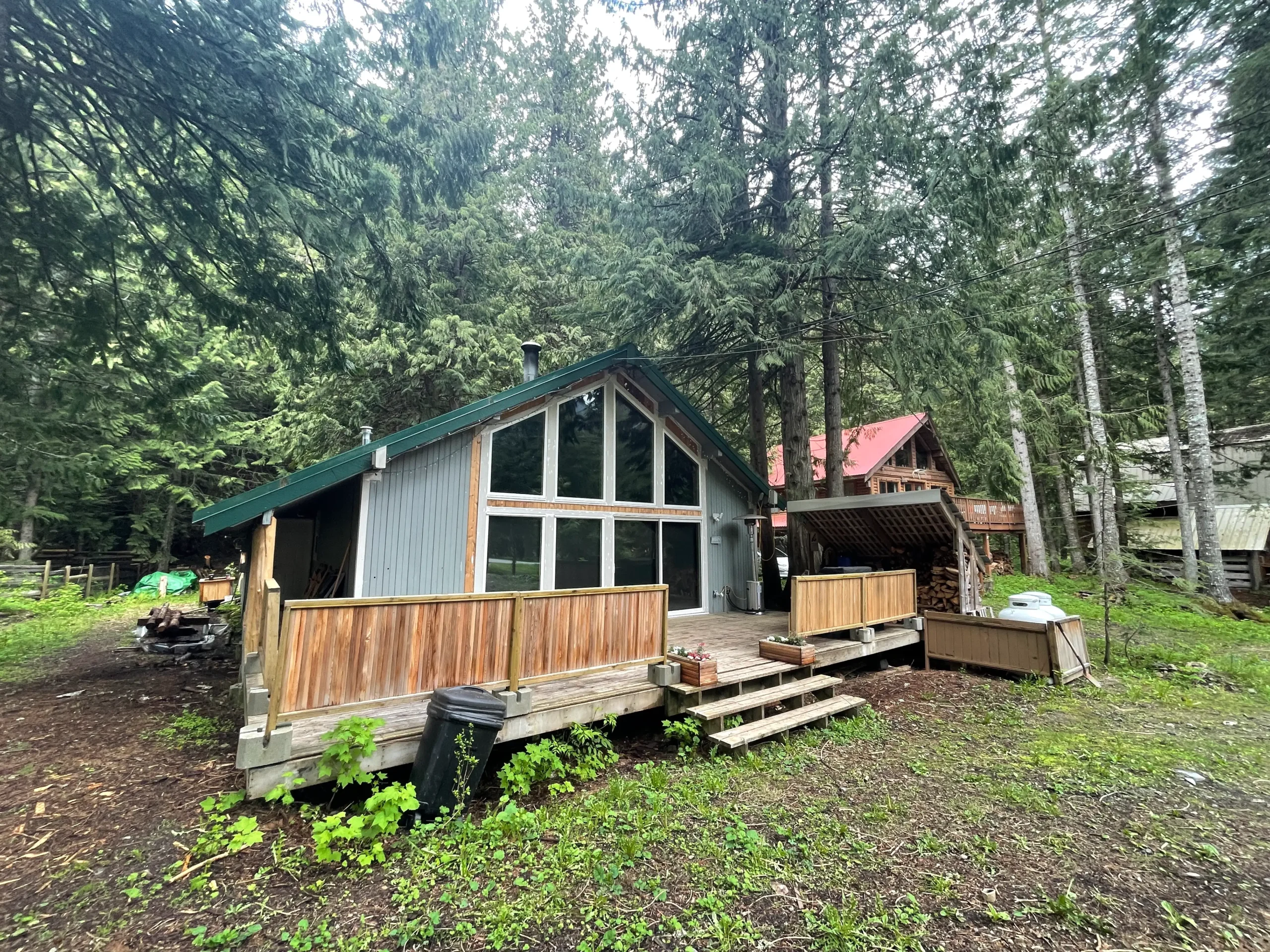
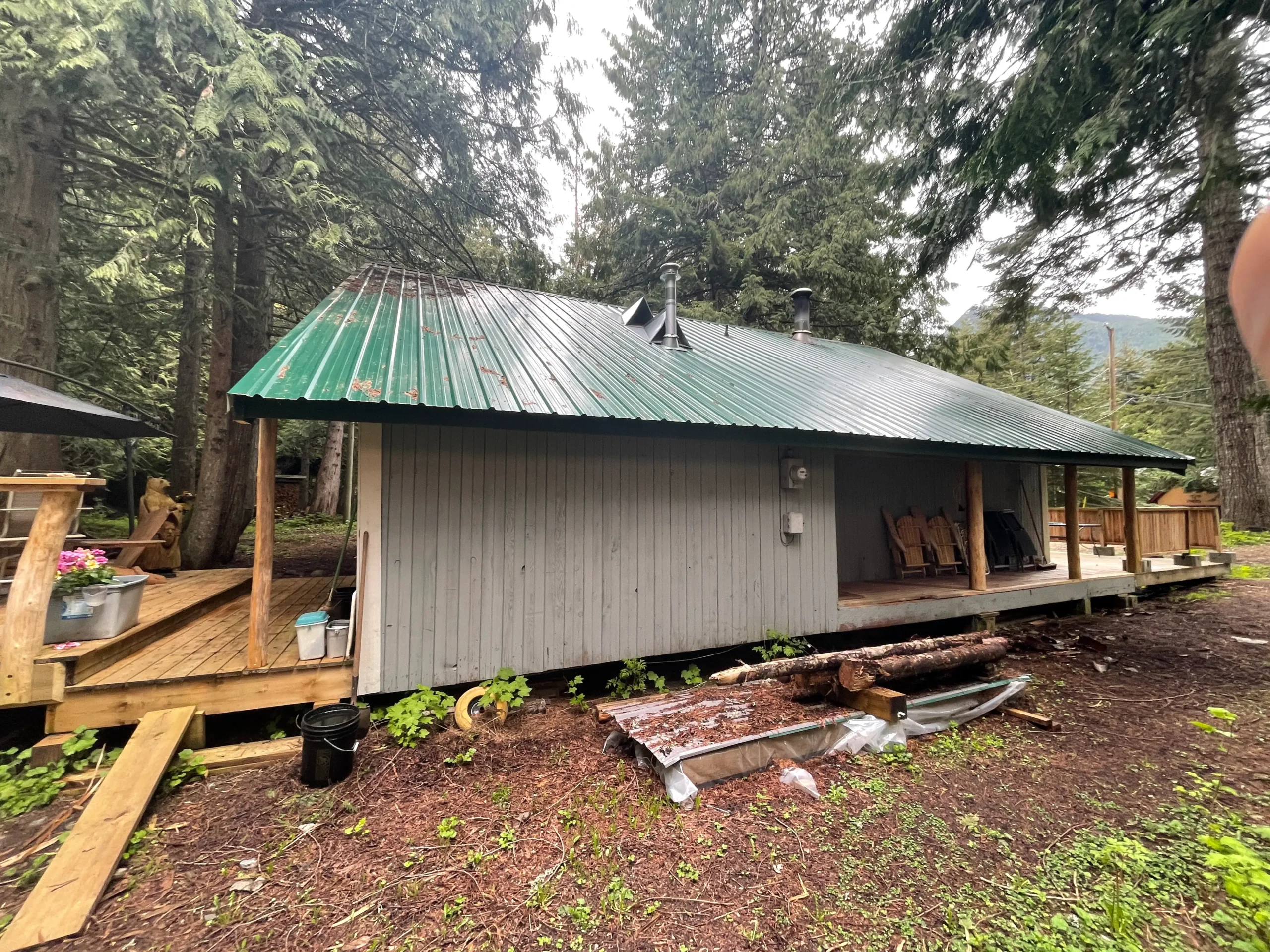
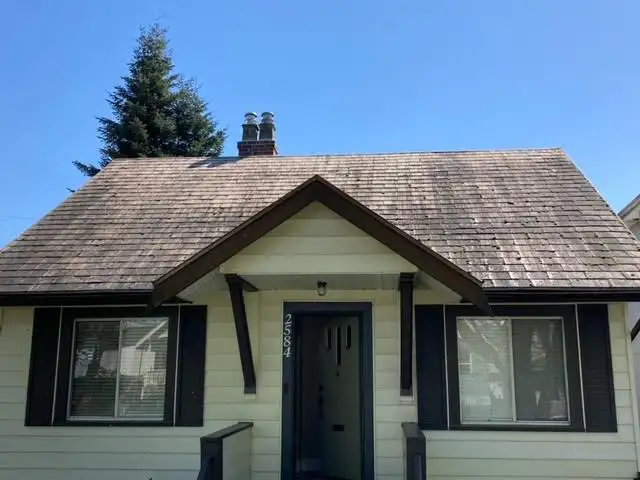
The condition of the existing surface should be assessed before painting begins. Peeling coatings, cracks, stains, damaged drywall, deteriorated wood and failed caulking may require preparation or repairs. Identifying these issues early helps establish the correct project scope and prevents new paint from being applied over unsuitable surfaces.
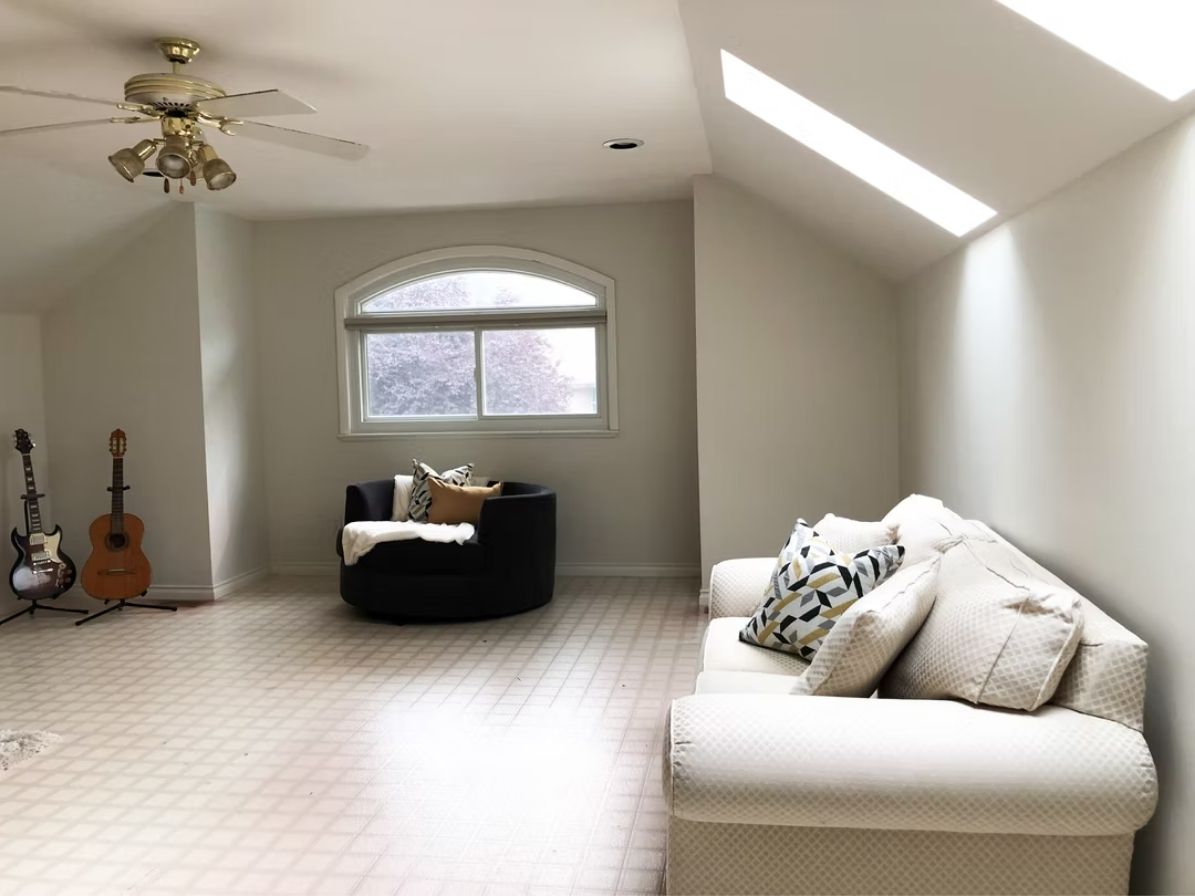
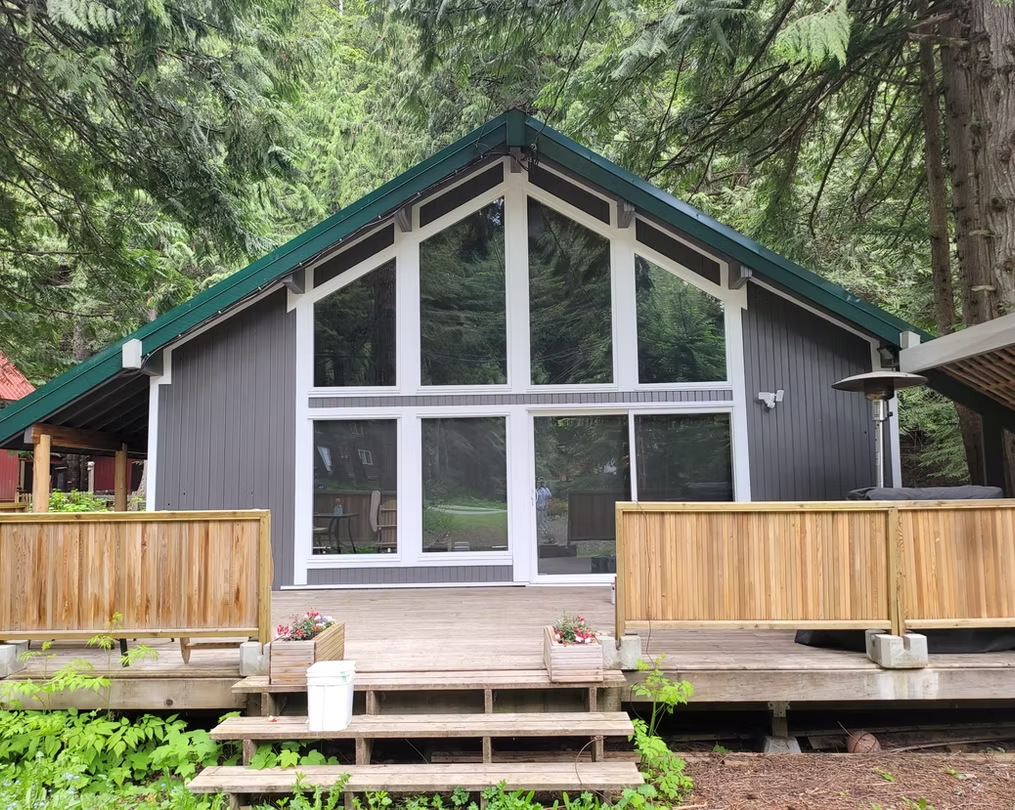
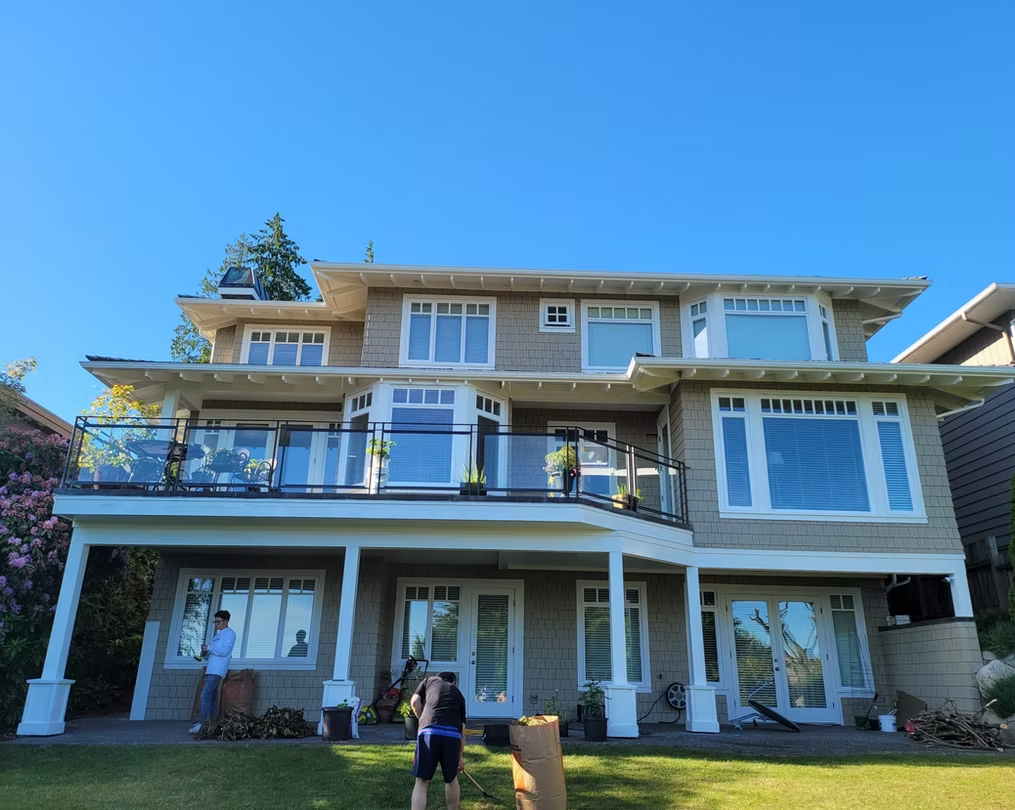
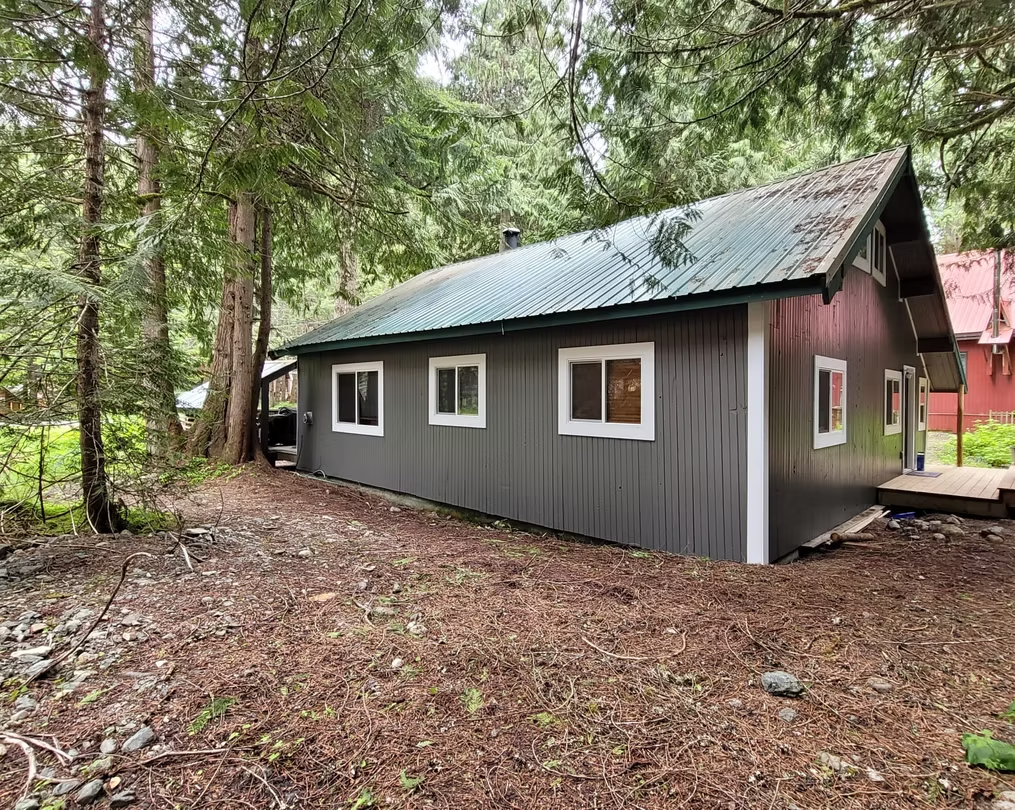
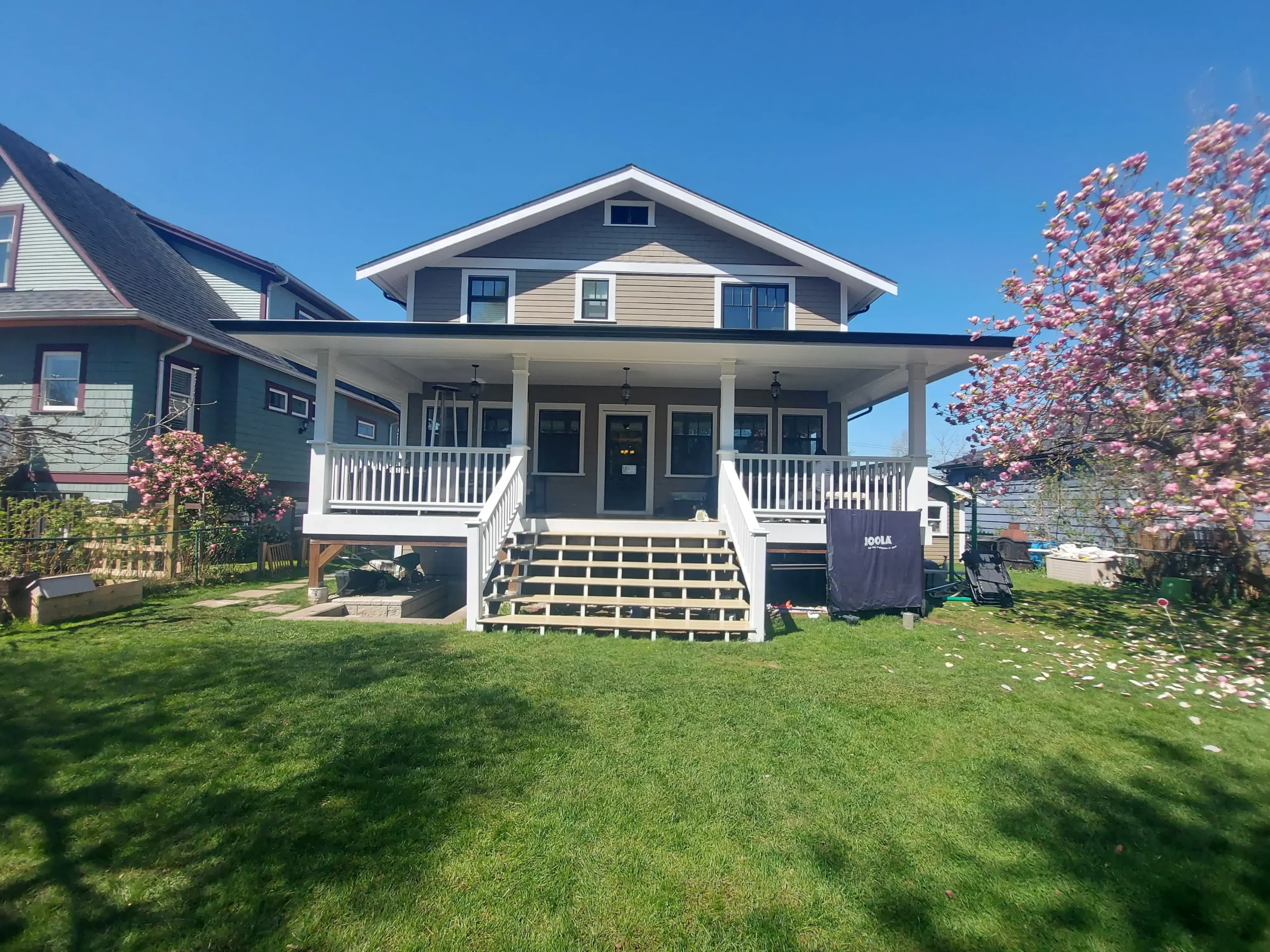
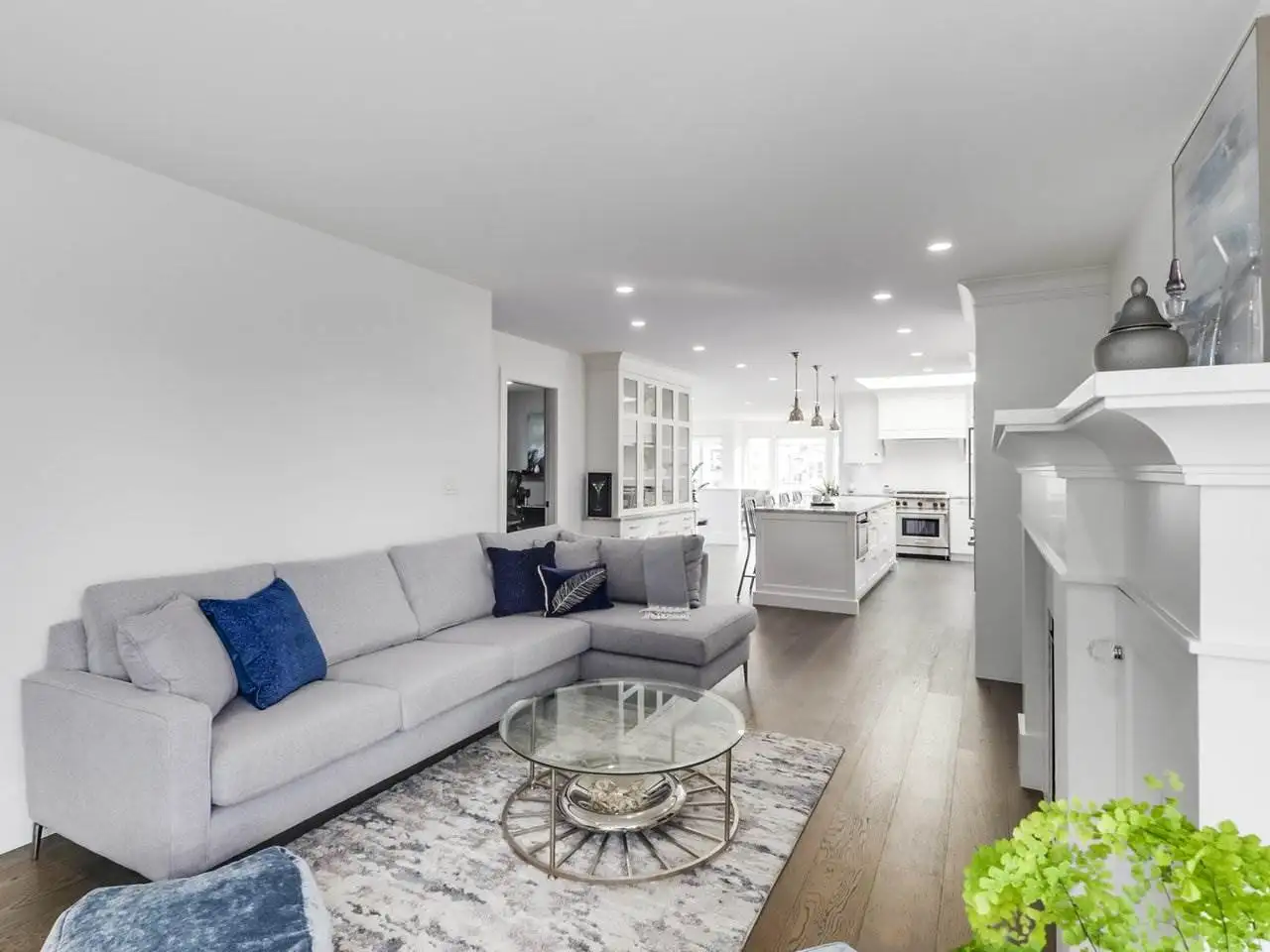
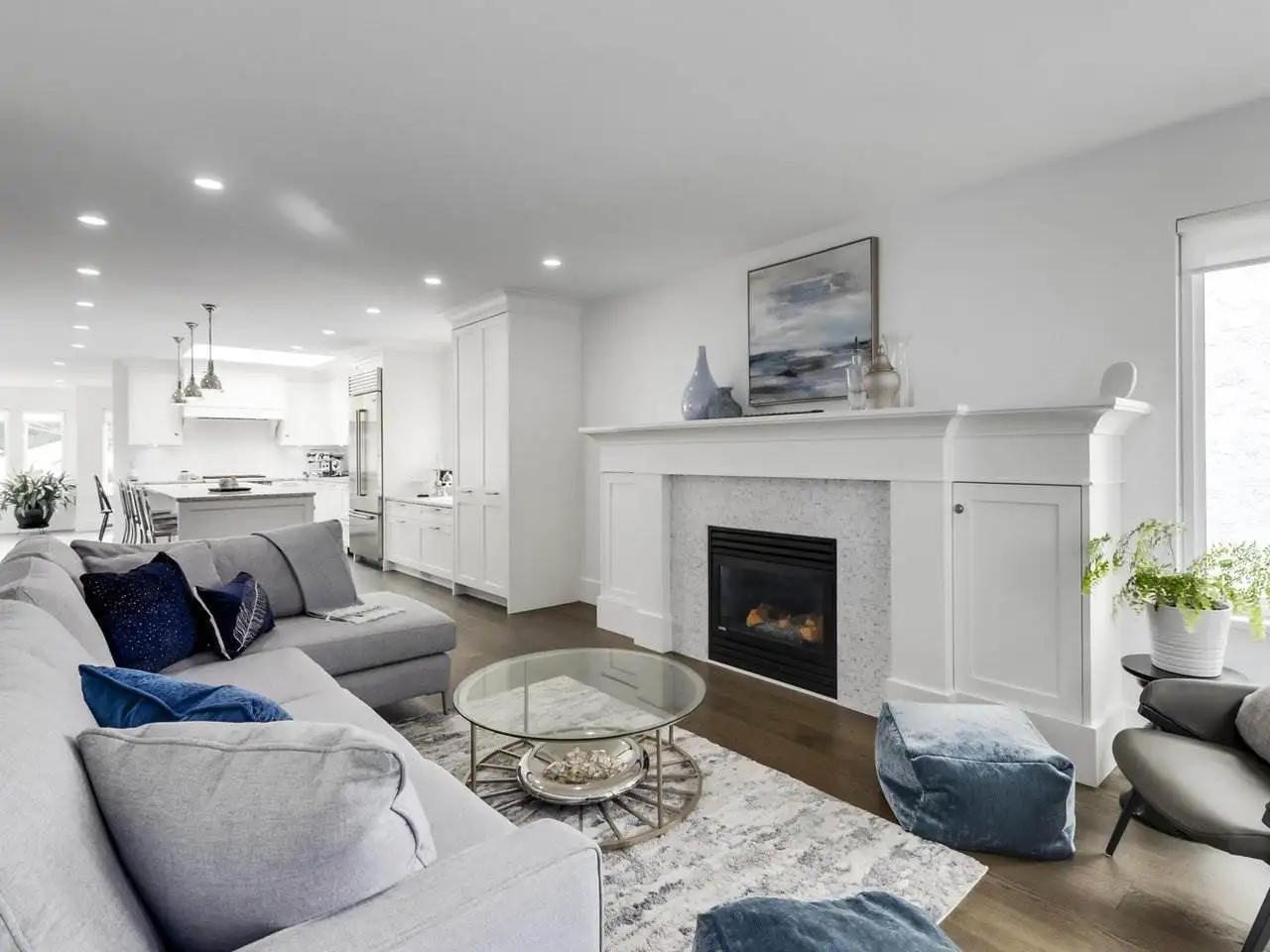
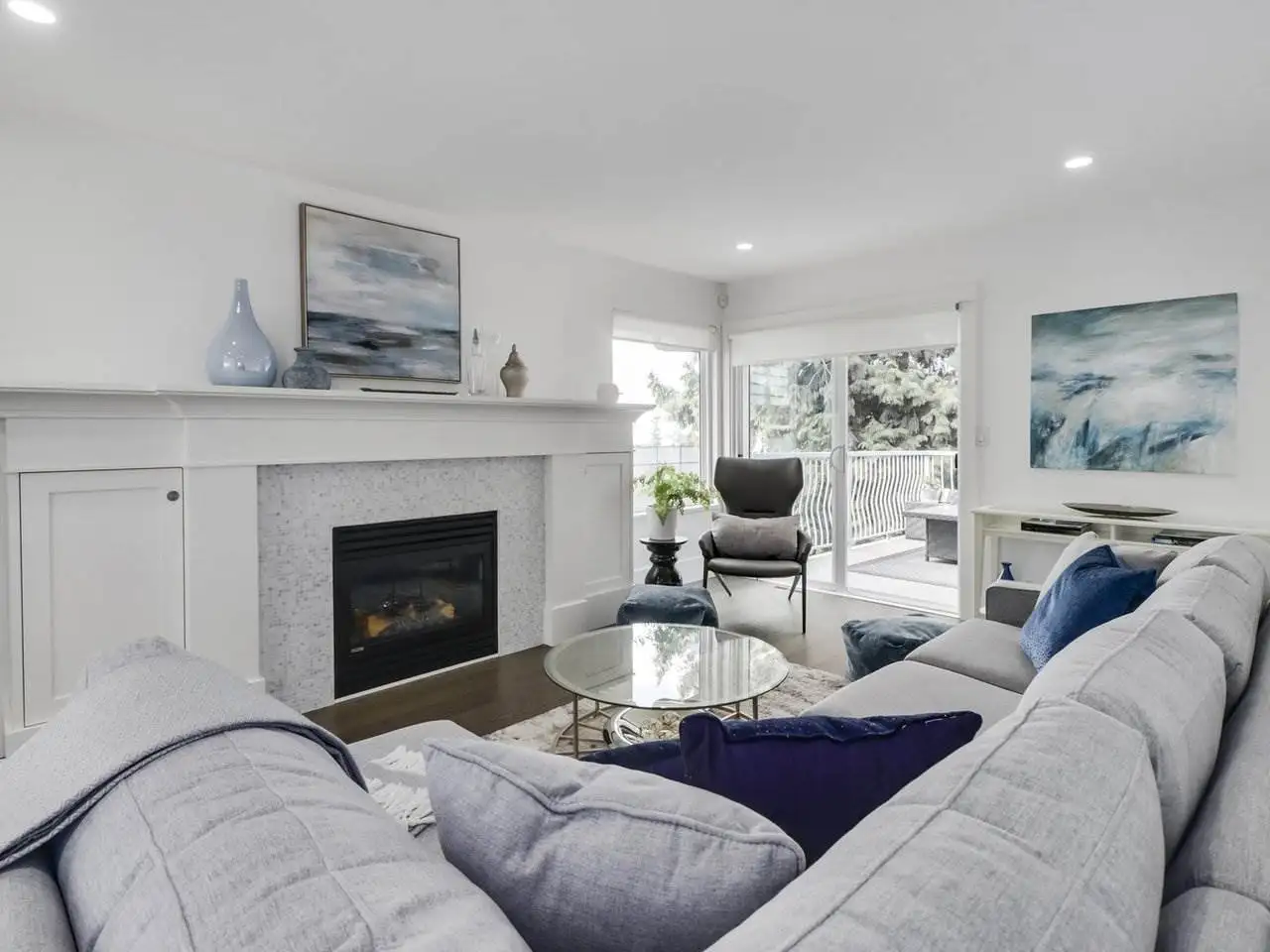
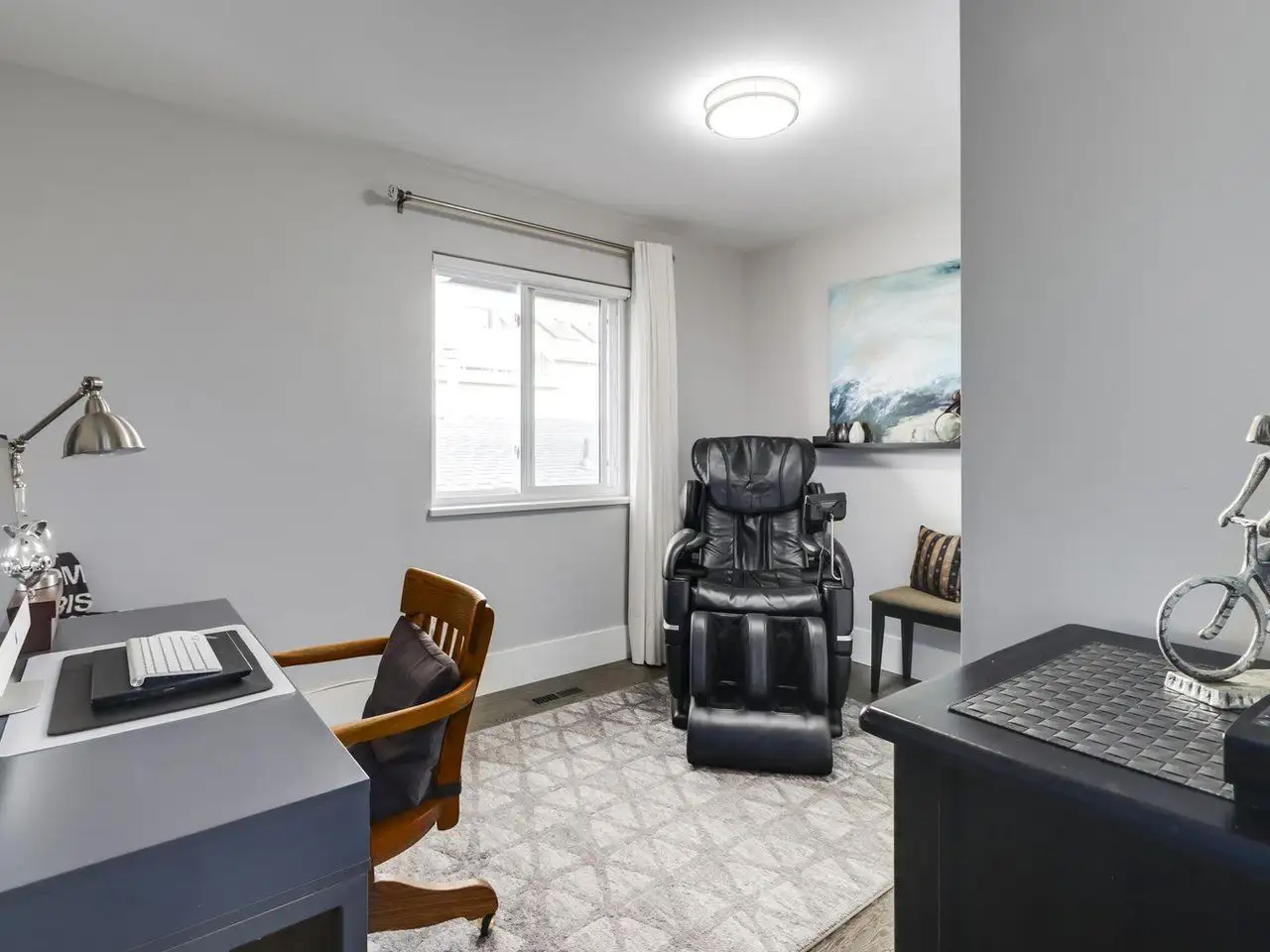
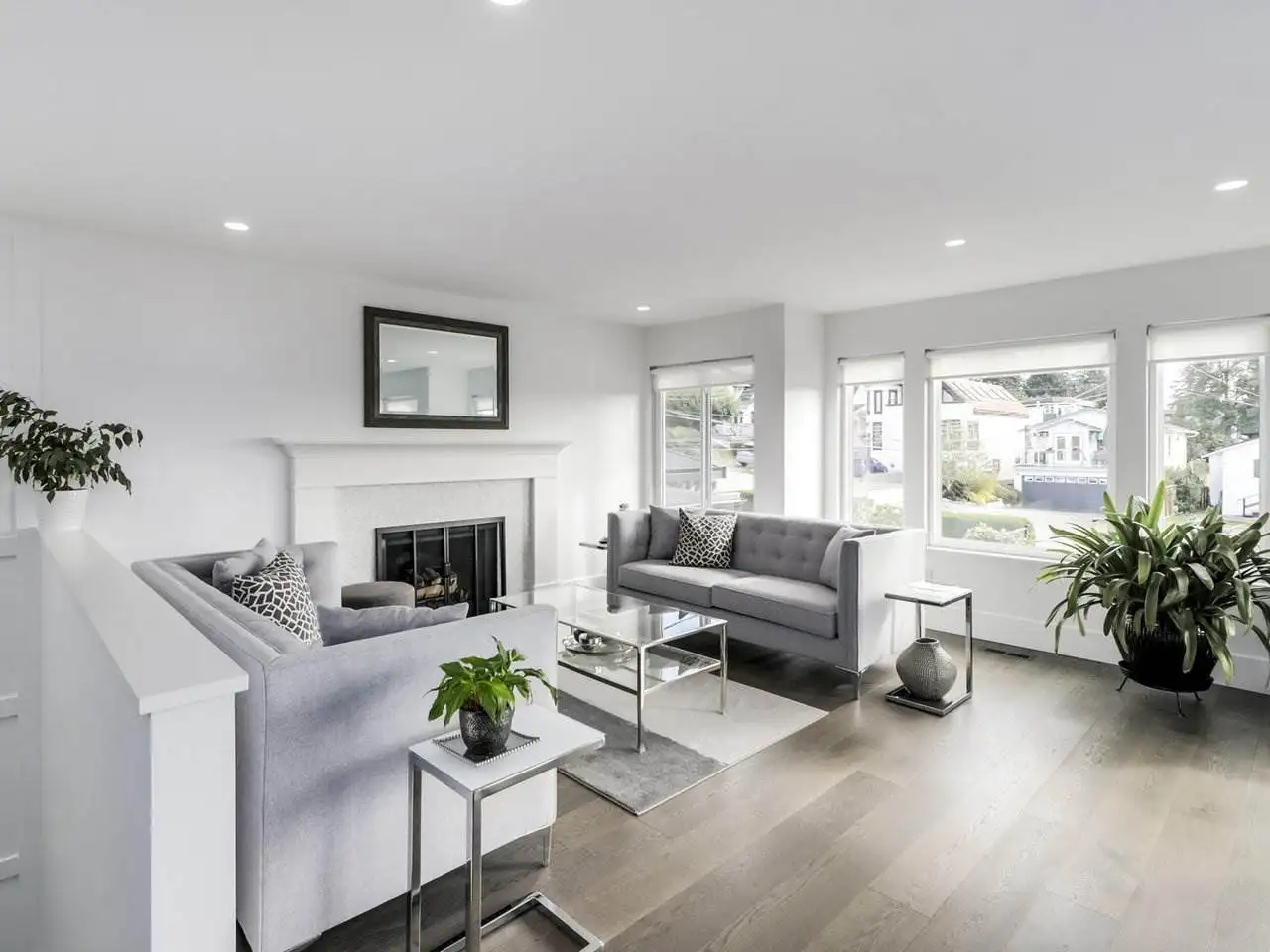
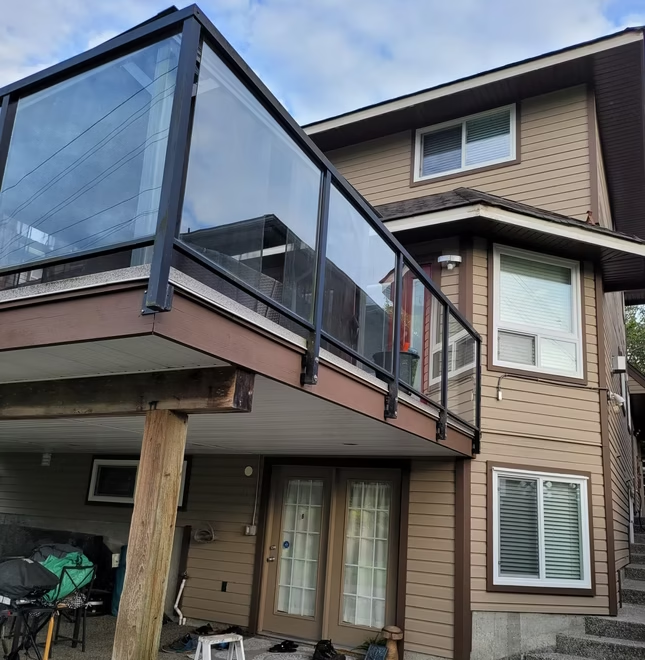
Consider natural lighting, flooring, cabinetry, countertops and furnishings when selecting interior colours. A colour can appear different depending on the room and time of day, so testing samples in the actual space can be helpful. For exterior projects, siding, roofing, trim and surrounding landscaping can also influence the final colour combination.
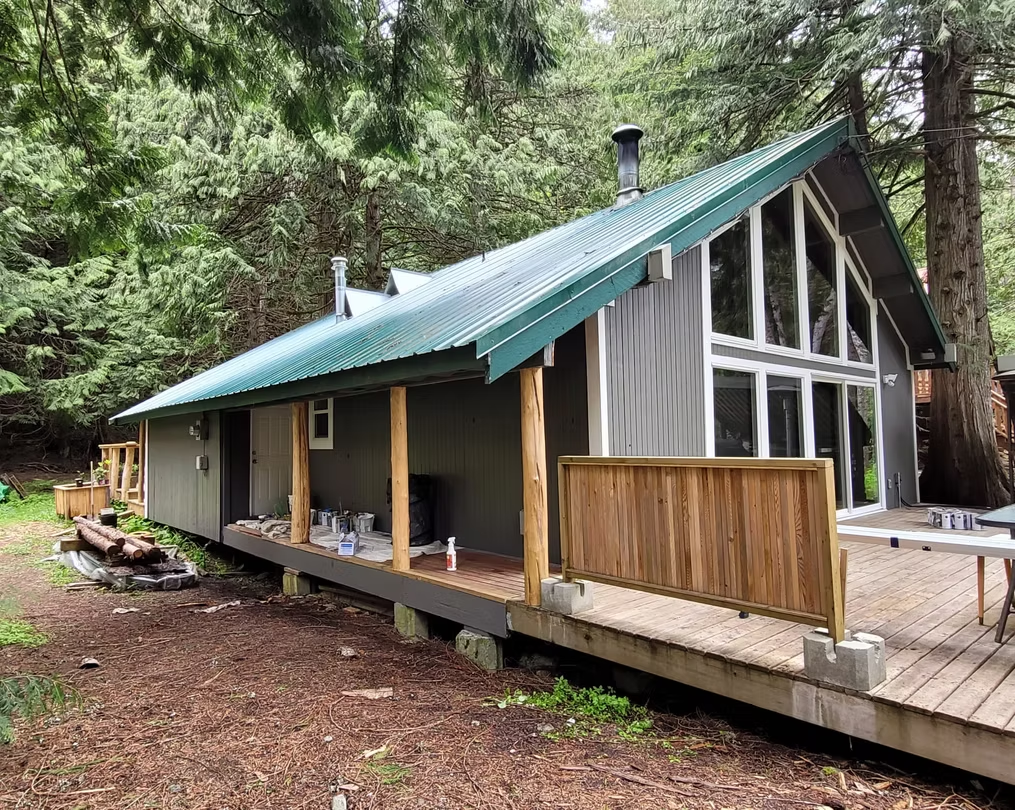
Preparation may include cleaning, sanding, scraping, patching, caulking and repairing damaged areas. Exterior surfaces may also require pressure washing to remove dirt, algae and other buildup. Thorough preparation gives the new coating a cleaner foundation and can improve adhesion, coverage and overall appearance.
Paint products should be selected according to the surface and level of use. Kitchens, hallways, entryways and staircases often benefit from washable finishes, while exterior surfaces require coatings suited to their material and exposure. Choosing the right product can make finished surfaces easier to maintain and help them perform as intended.
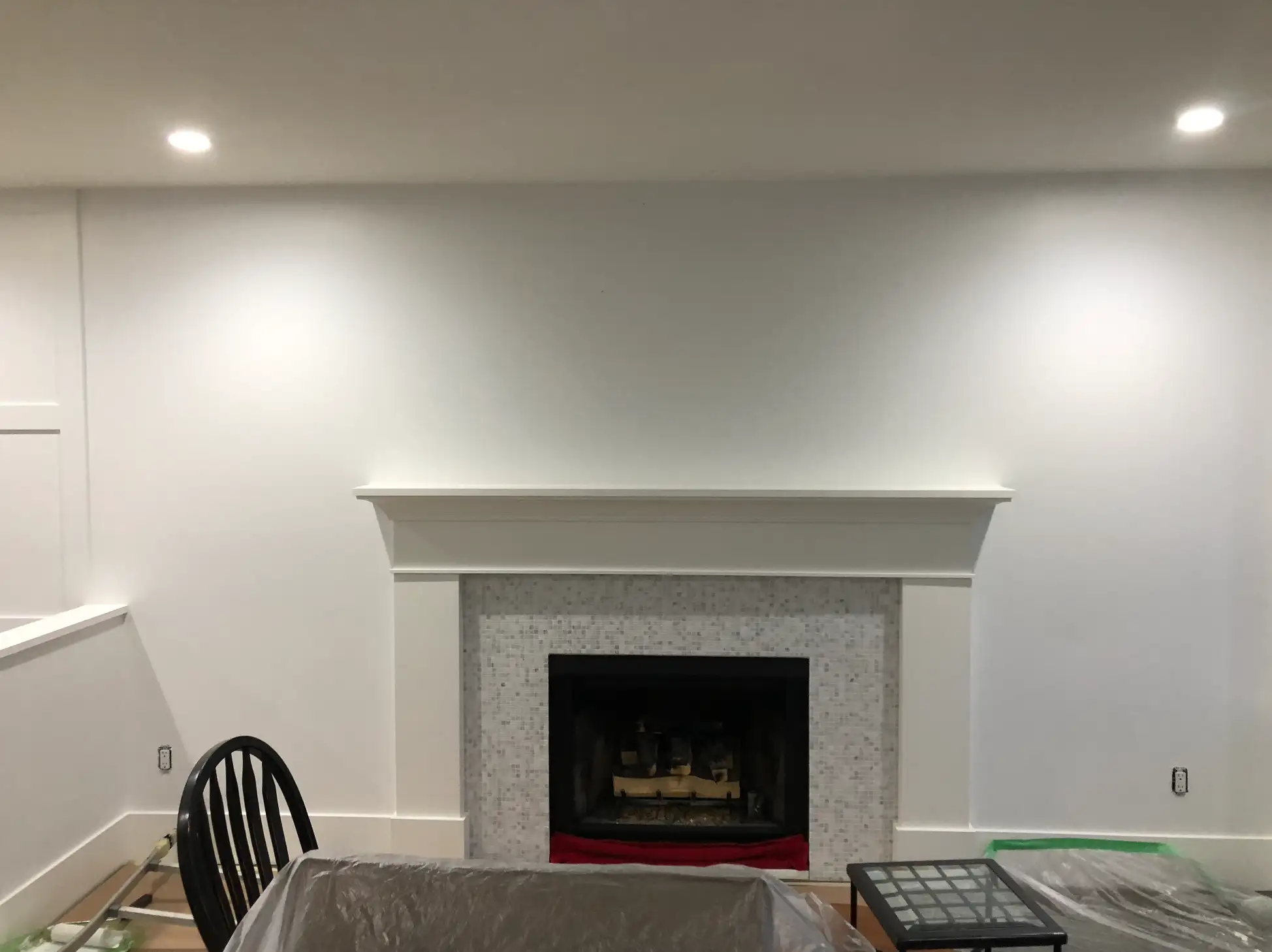
Floors, furniture, fixtures, countertops and surrounding areas should be protected before painting starts. Proper covering and masking reduces the risk of accidental paint transfer and keeps the work area organized. Exterior projects may also require protection for landscaping, walkways and other nearby surfaces.
A complete painting estimate should identify the areas being painted, preparation, repairs, materials, labour, coats, timeline and cleanup. Homeowners should review exclusions and potential additional work before accepting a quote. Comparing the complete scope rather than the lowest price alone provides a clearer picture of what each contractor is offering.