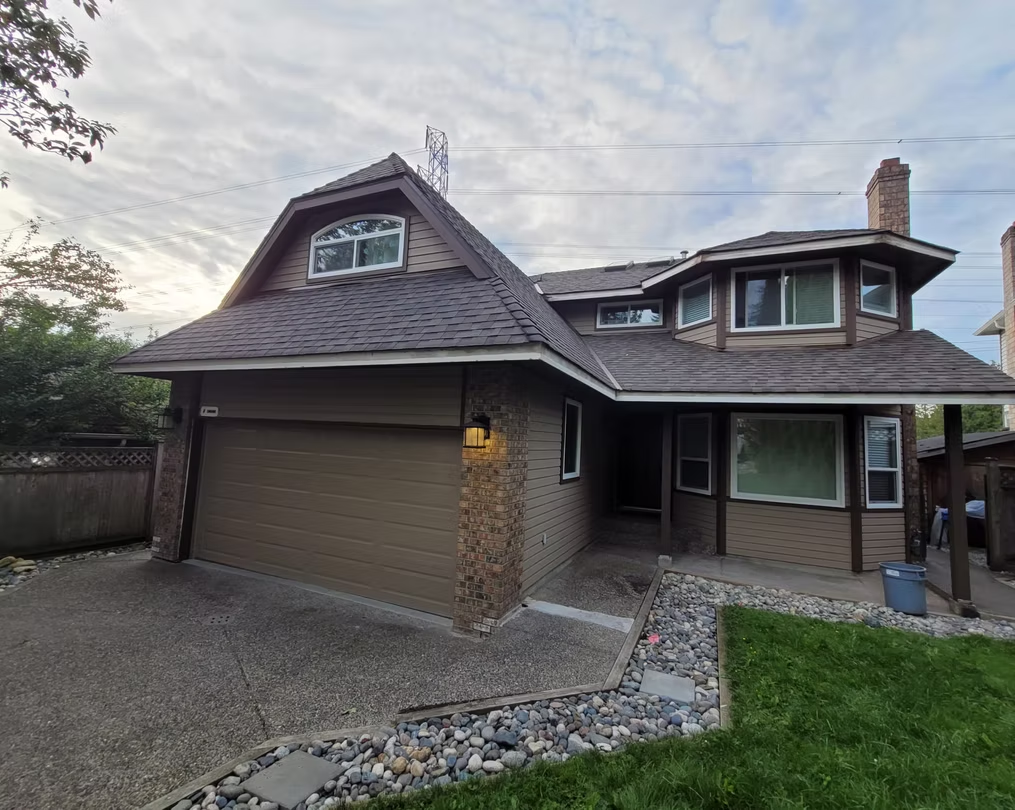
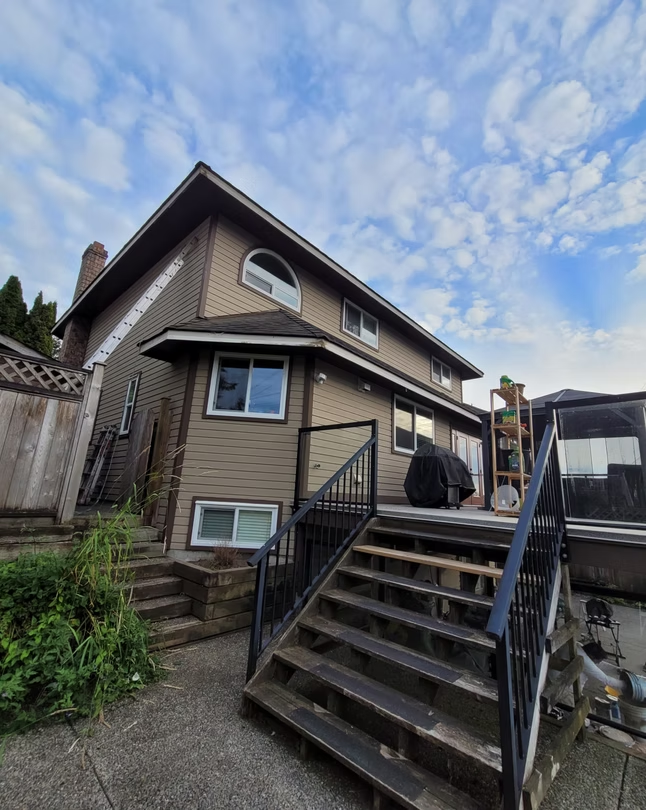
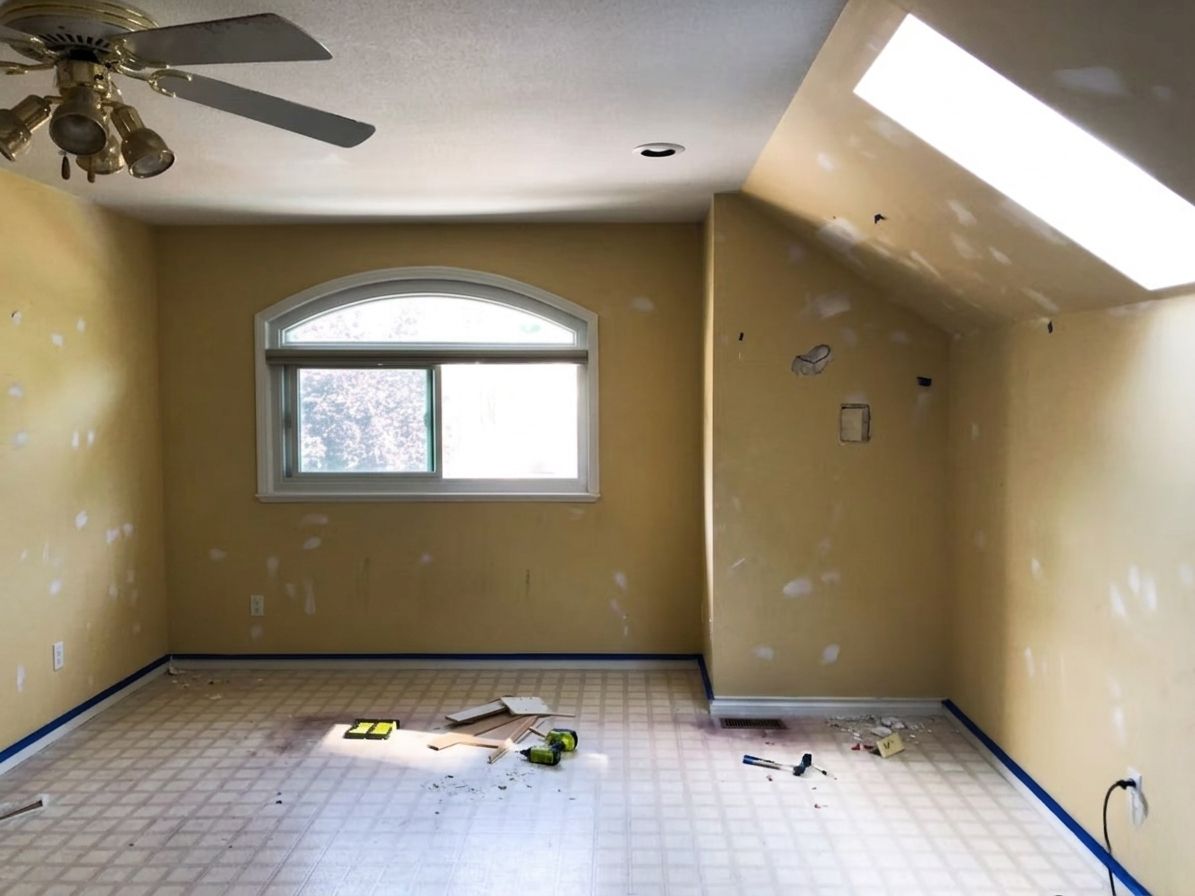
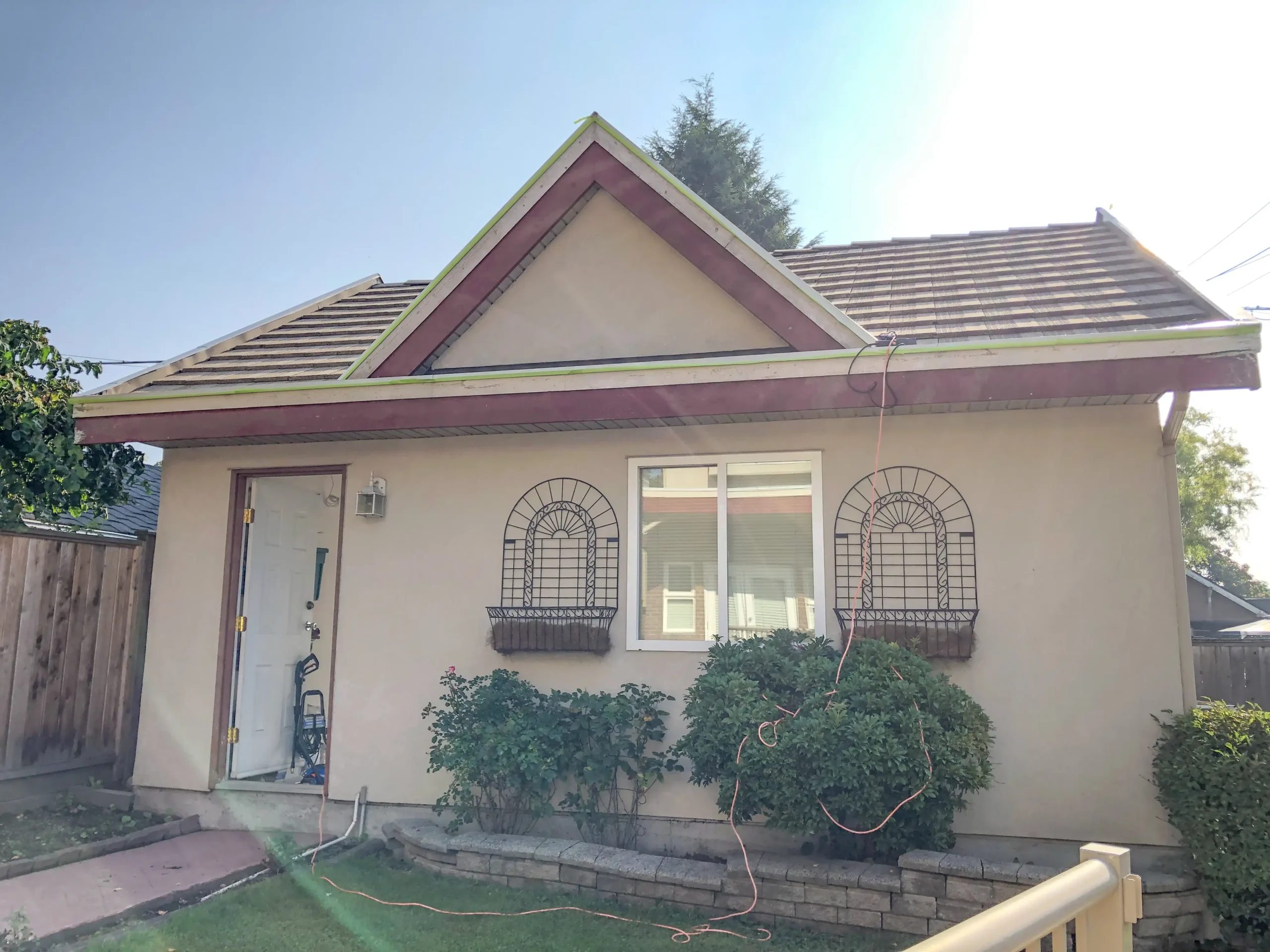
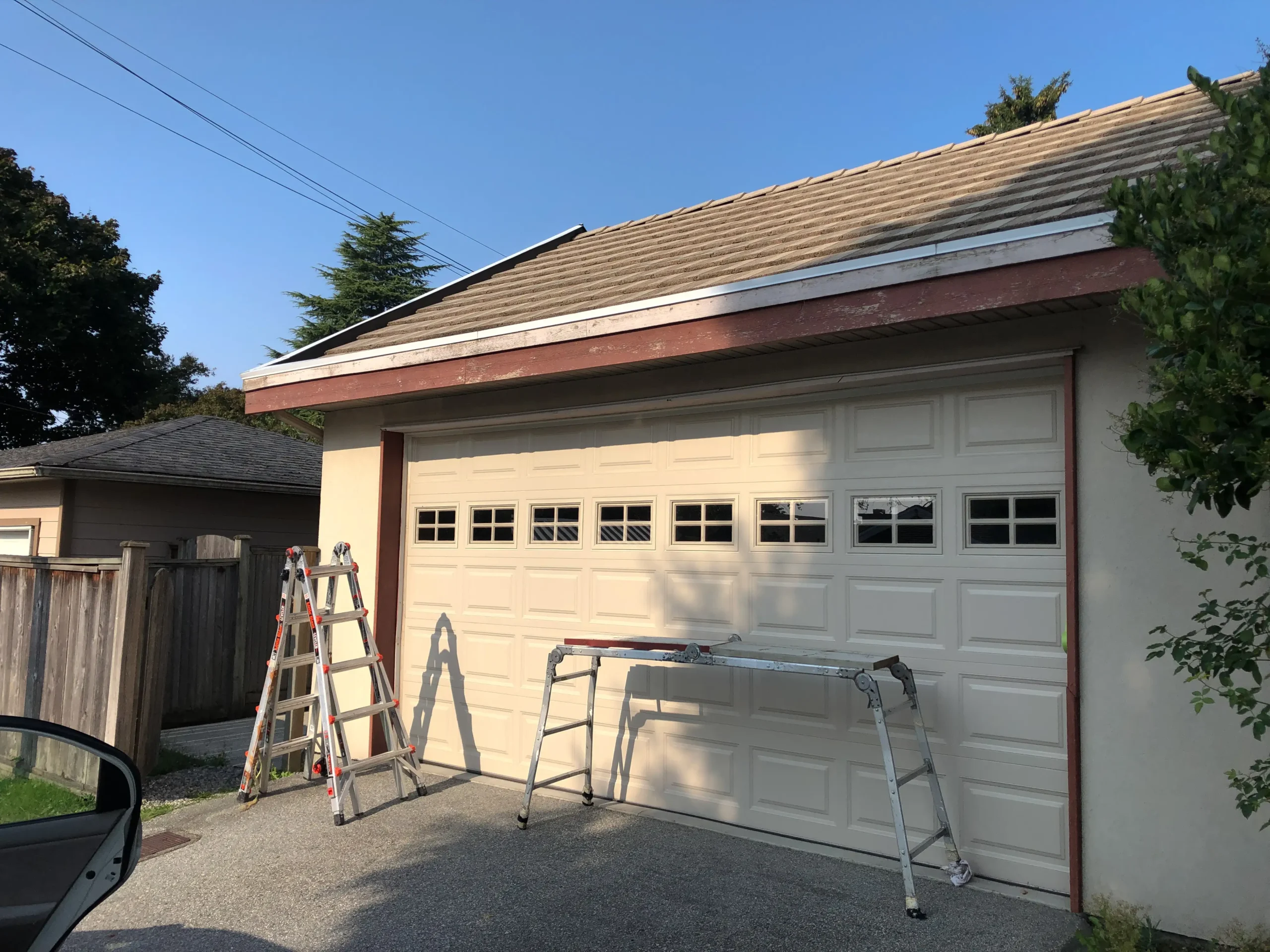
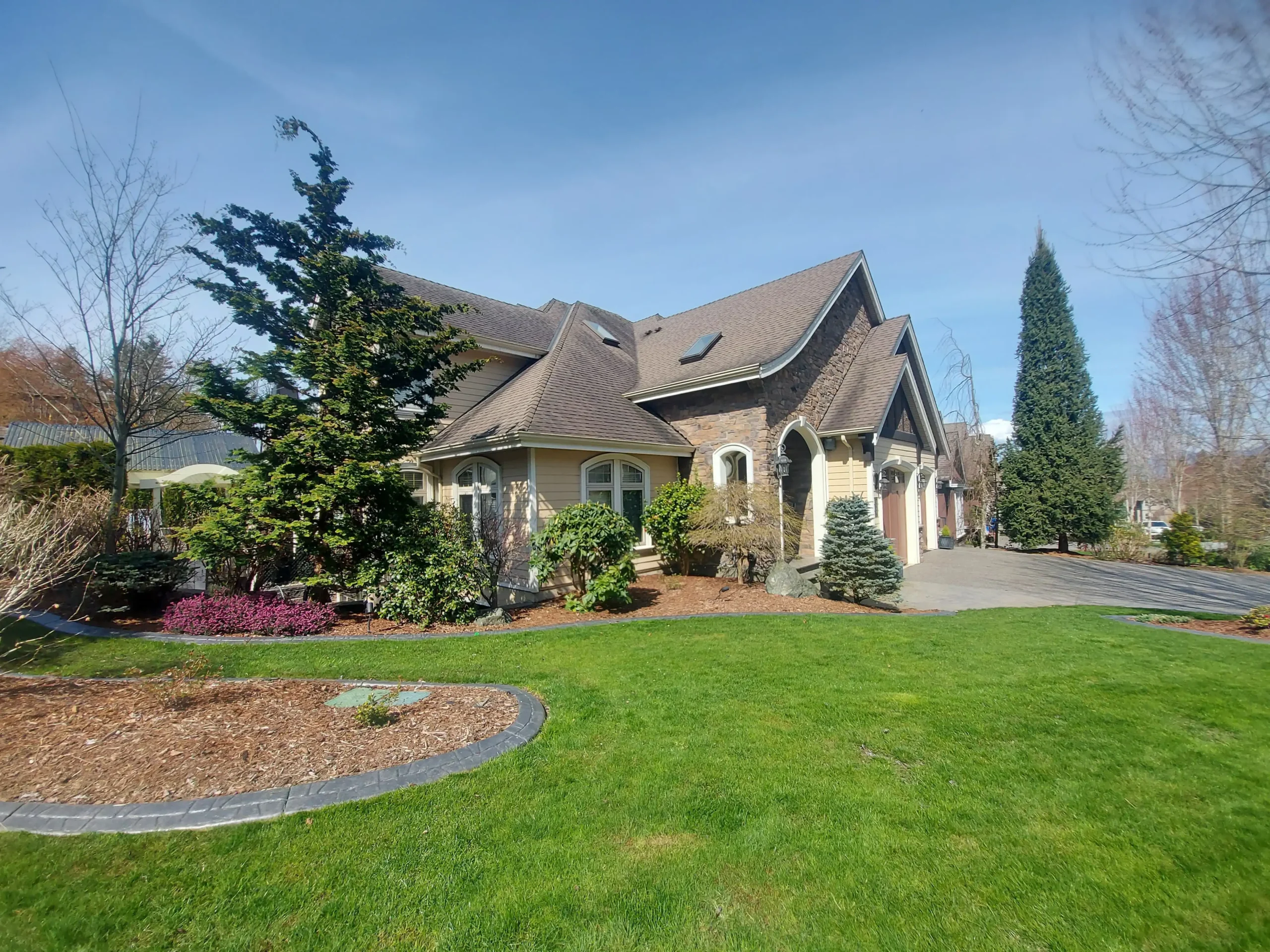
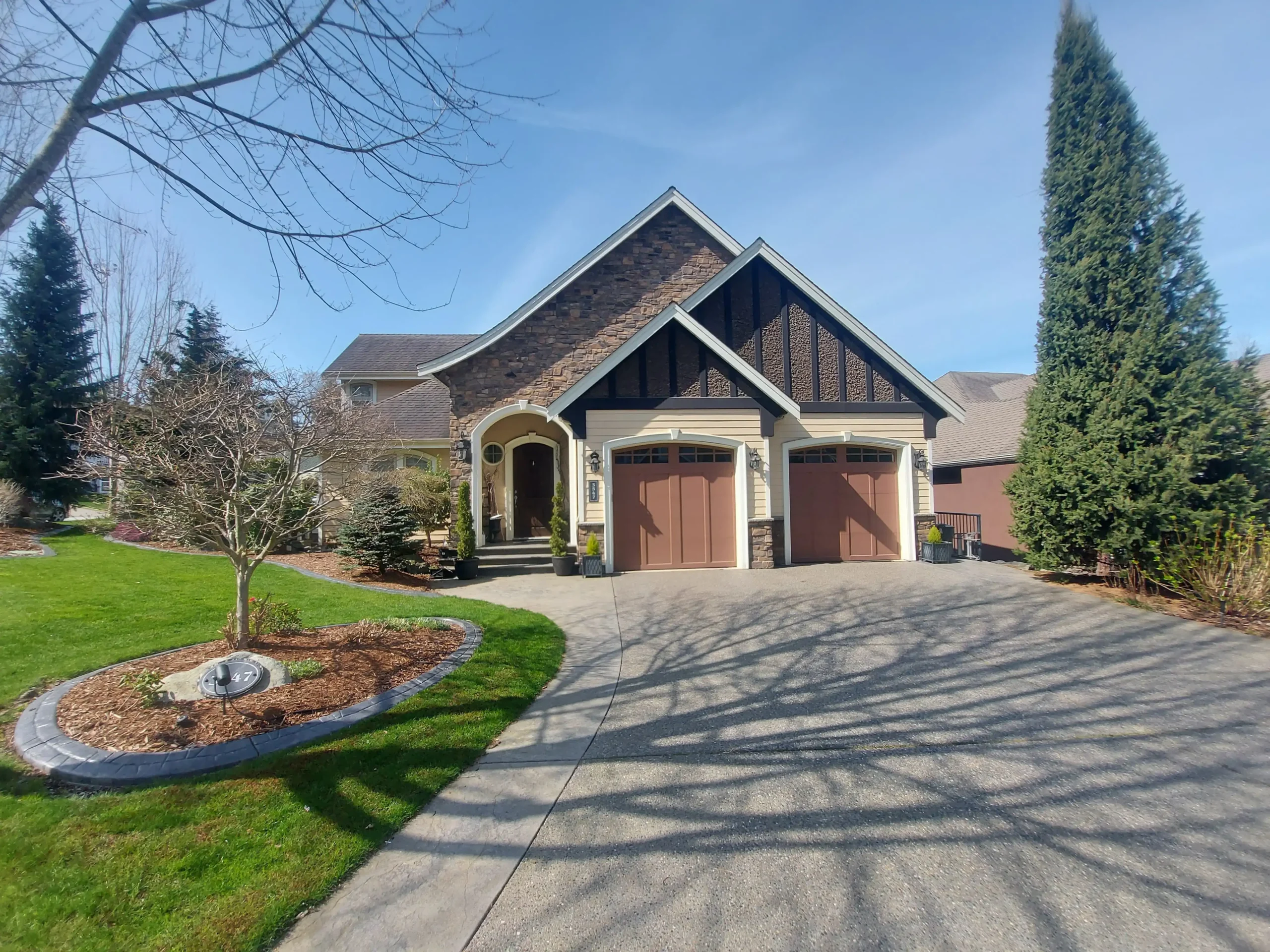
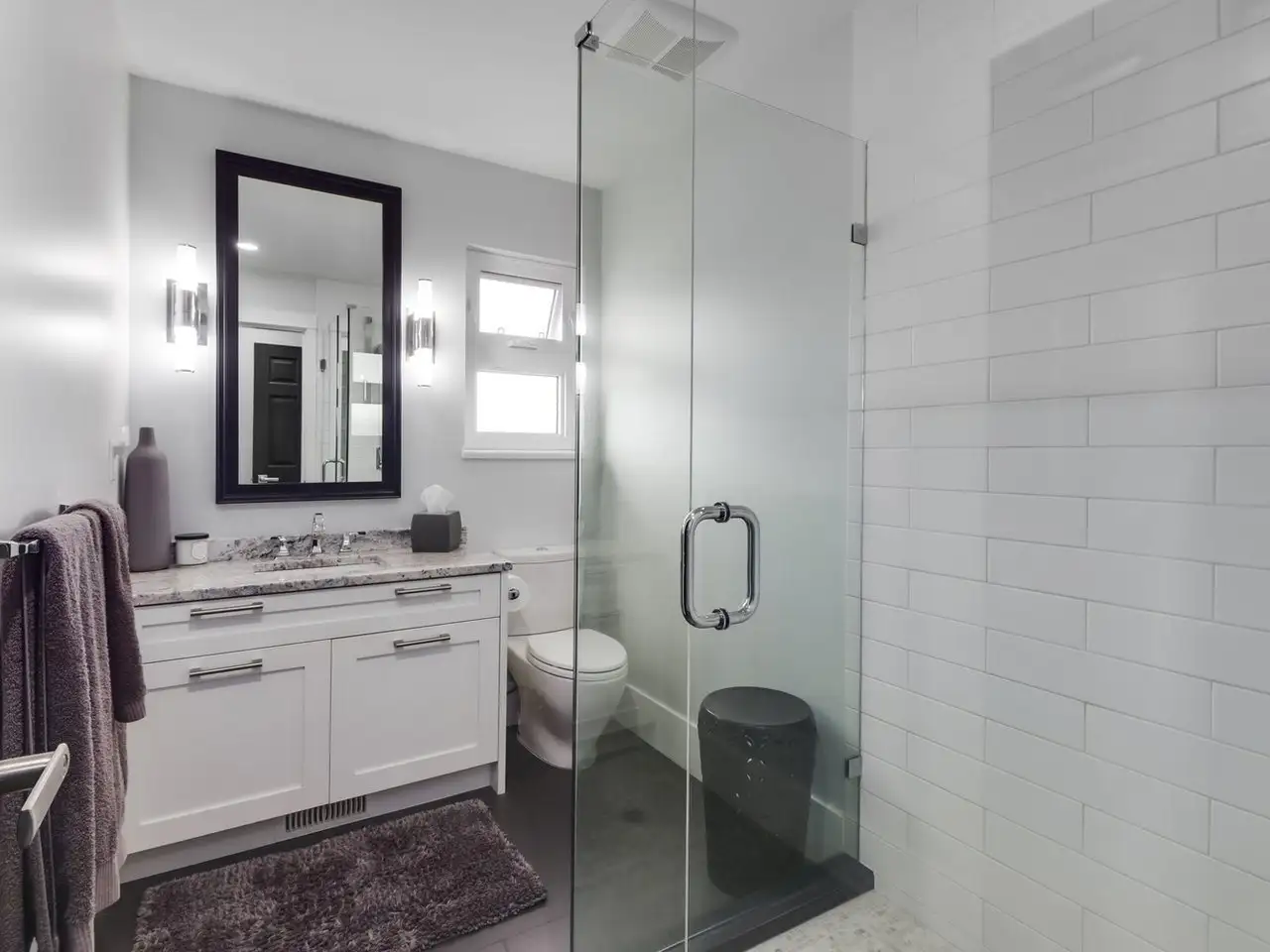
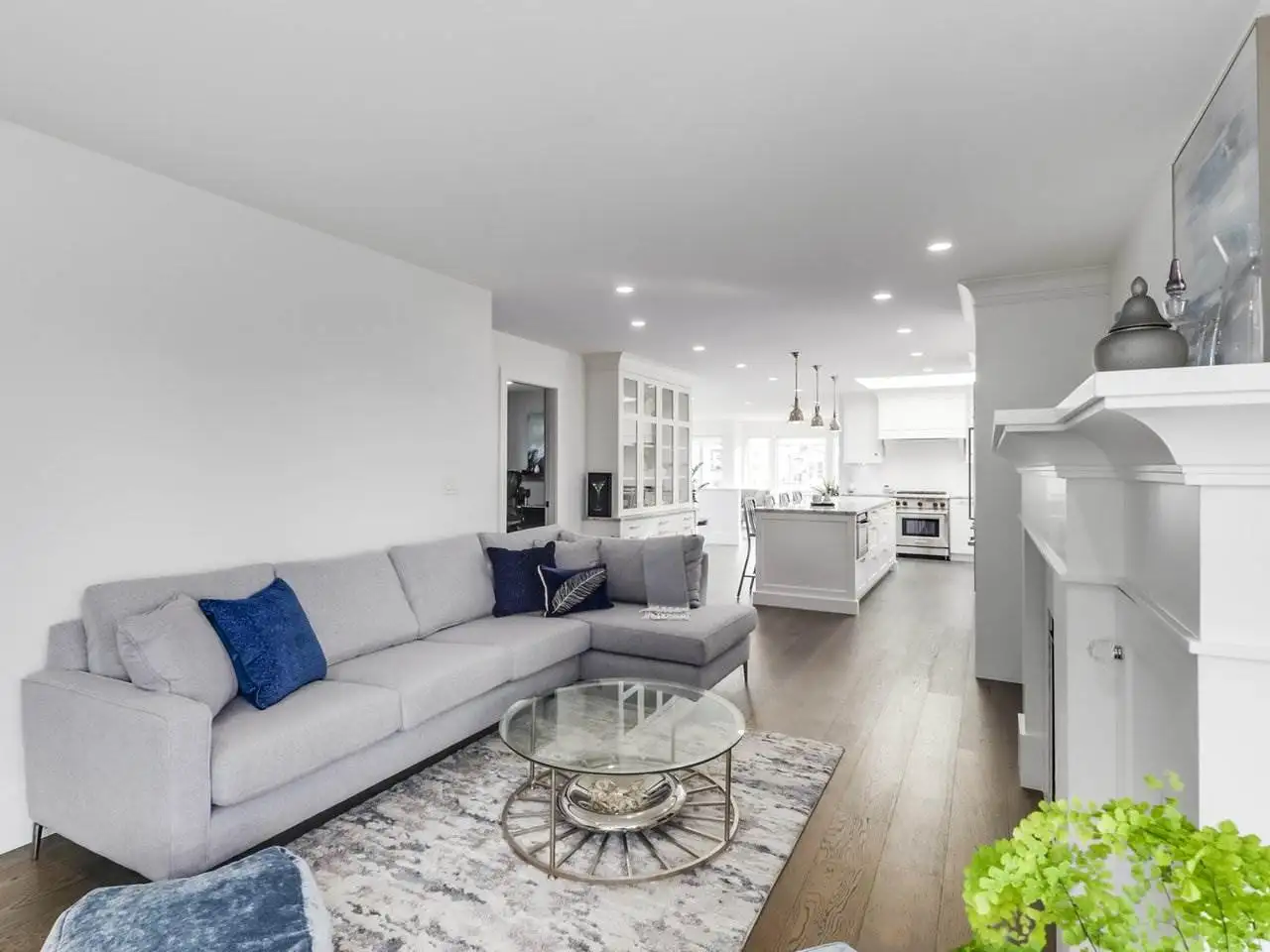
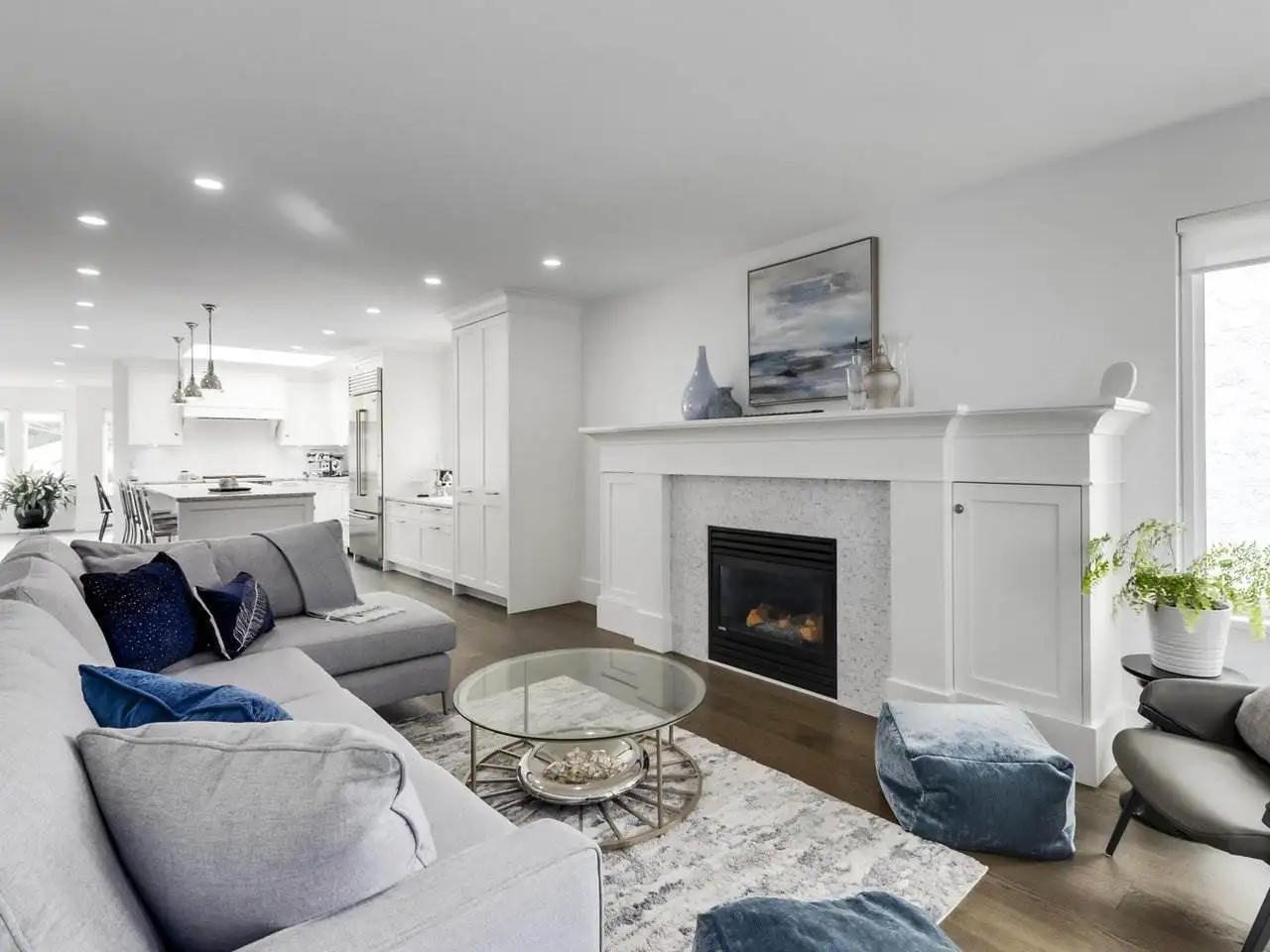
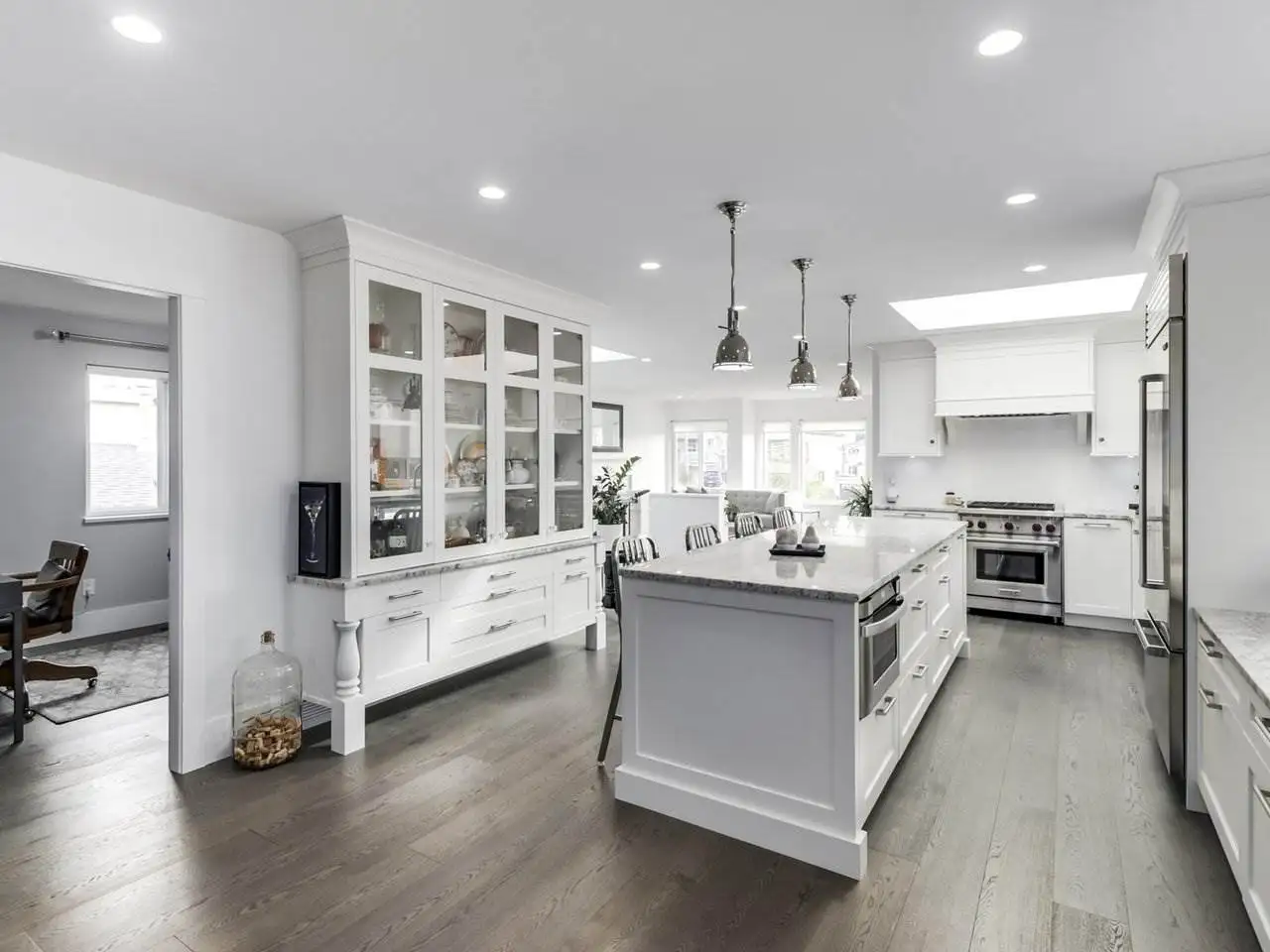
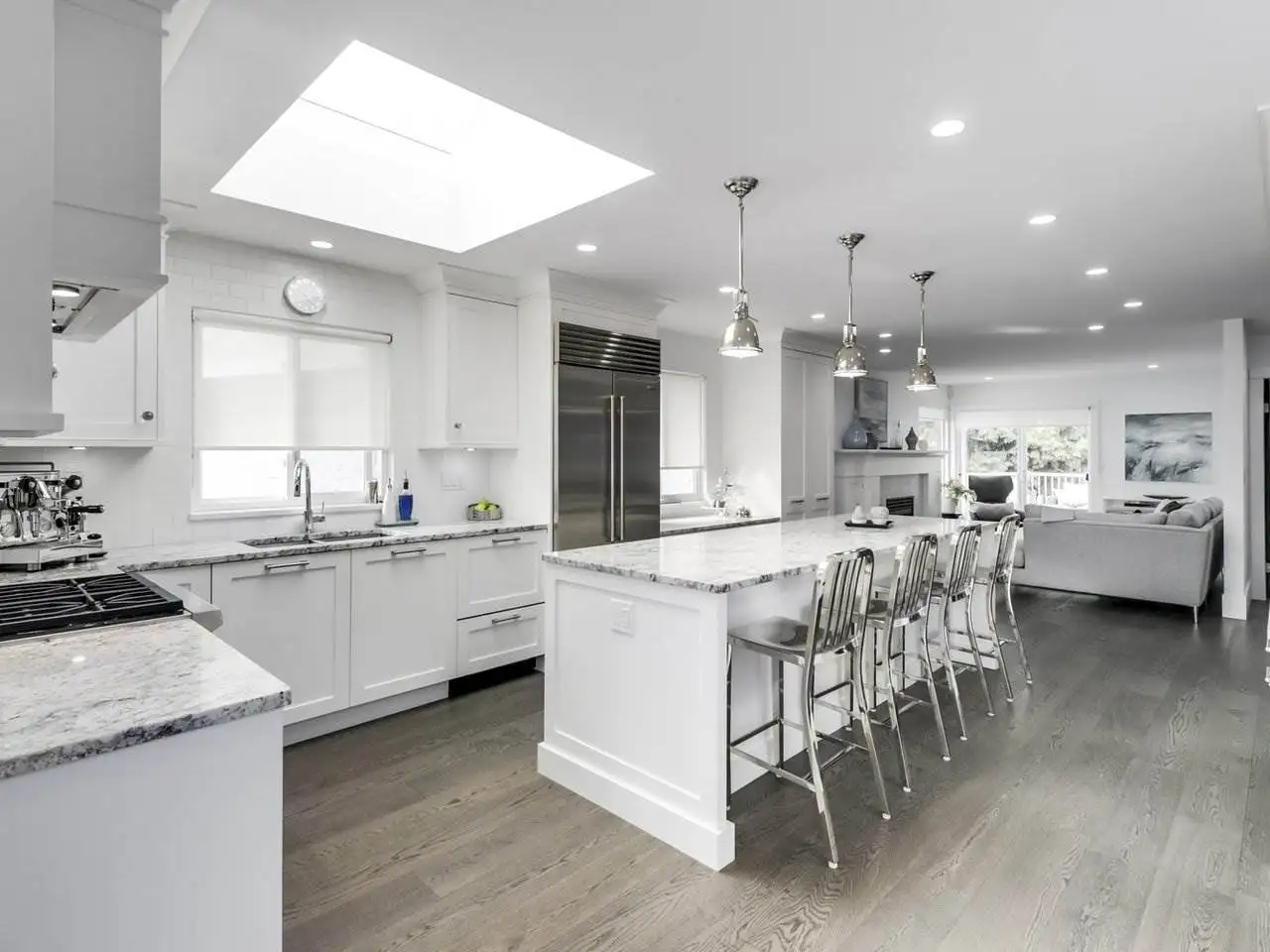
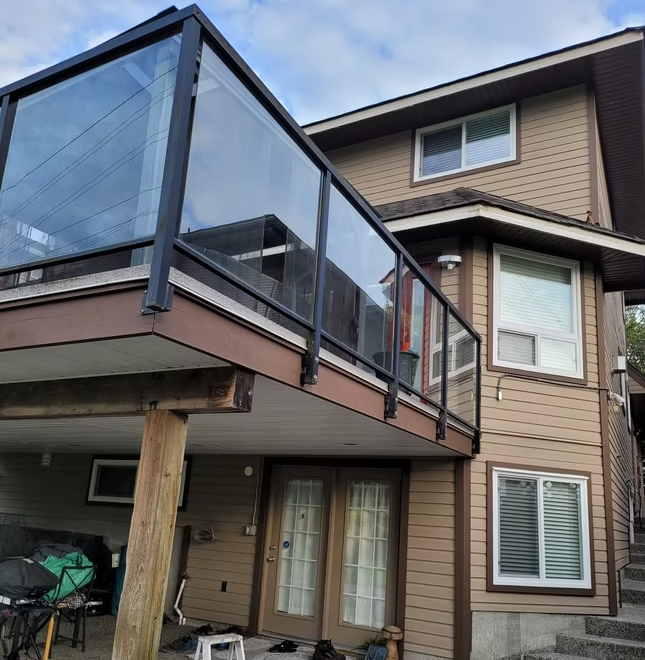
Inspecting the existing surfaces before painting helps identify conditions that may affect the project. Peeling coatings, cracks, stains, damaged drywall, deteriorated wood and failed caulking can require attention before new paint is applied. A proper inspection allows the contractor to determine the preparation and repairs needed instead of discovering unexpected problems midway through the project.
Paint adheres best to a clean, properly prepared surface. Interior walls may need cleaning where dust, grease or marks have accumulated, while exterior surfaces can require pressure washing to remove dirt, mildew and buildup. Cleaning also helps reveal loose paint, surface damage and other conditions that should be addressed before the new coating is applied.
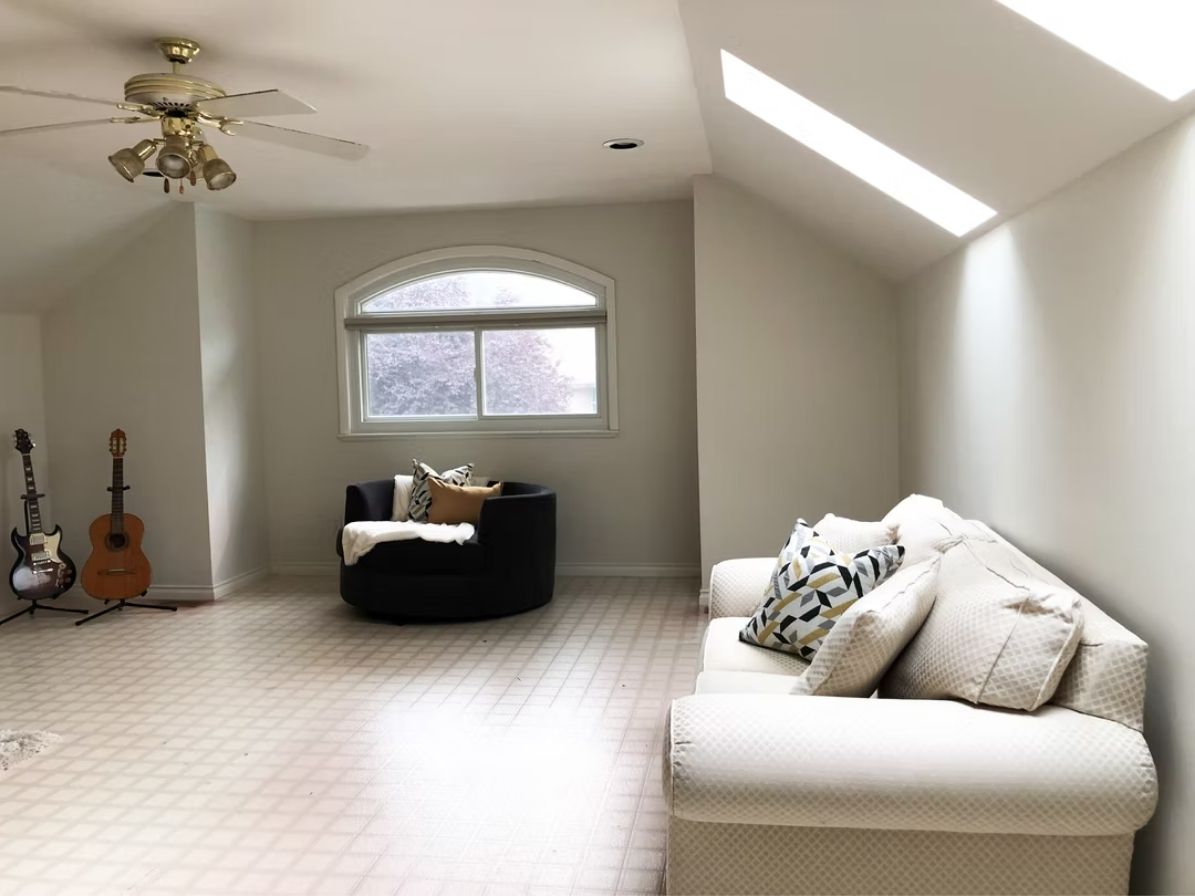
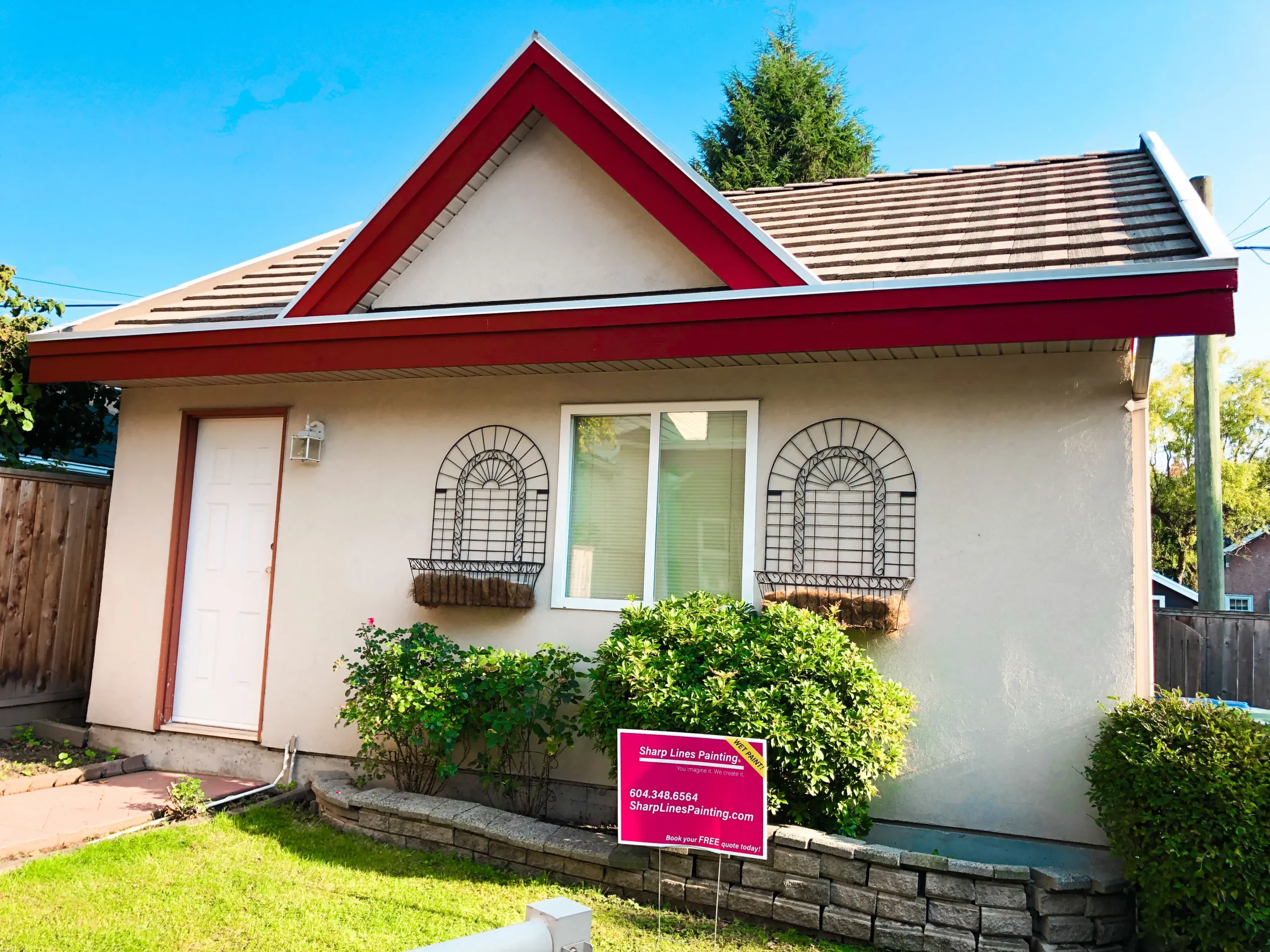
Paint application should be matched to the surface, product and desired finish. Different techniques may be required for walls, ceilings, trim, cabinets, siding and exterior wood. Applying the appropriate number of coats and allowing proper drying time helps achieve more consistent coverage and reduces visible variations in sheen or colour.
Furniture, floors, fixtures, countertops and surrounding exterior areas should be protected before painting begins. Proper masking and covering helps prevent accidental paint transfer and keeps the work area organized. Preparing the space carefully also gives painters better access to the surfaces being coated and can make the application process more efficient.
Regularly checking painted surfaces can help identify fading, peeling, cracks or other problems before they become more extensive. High-traffic interior areas may require attention sooner than lightly used rooms, while exterior surfaces should be monitored for weathering and exposed materials. Addressing smaller maintenance needs early can make future repainting more manageable.
A detailed painting estimate should explain the surfaces being painted, preparation, repairs, materials, labour, number of coats, timeline and cleanup. Homeowners should also check for exclusions or additional work that could affect the final price. Comparing complete project scopes rather than headline prices makes it easier to understand the value of each painting proposal.