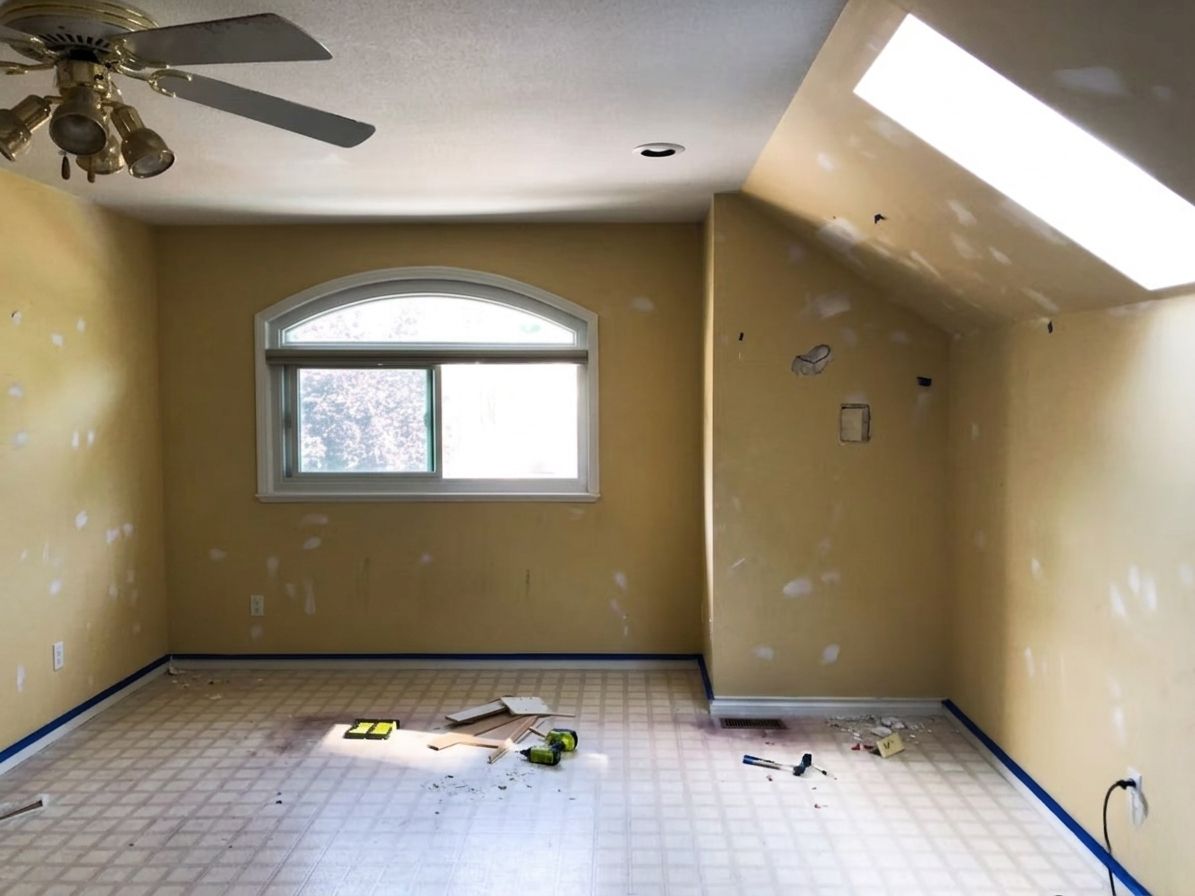
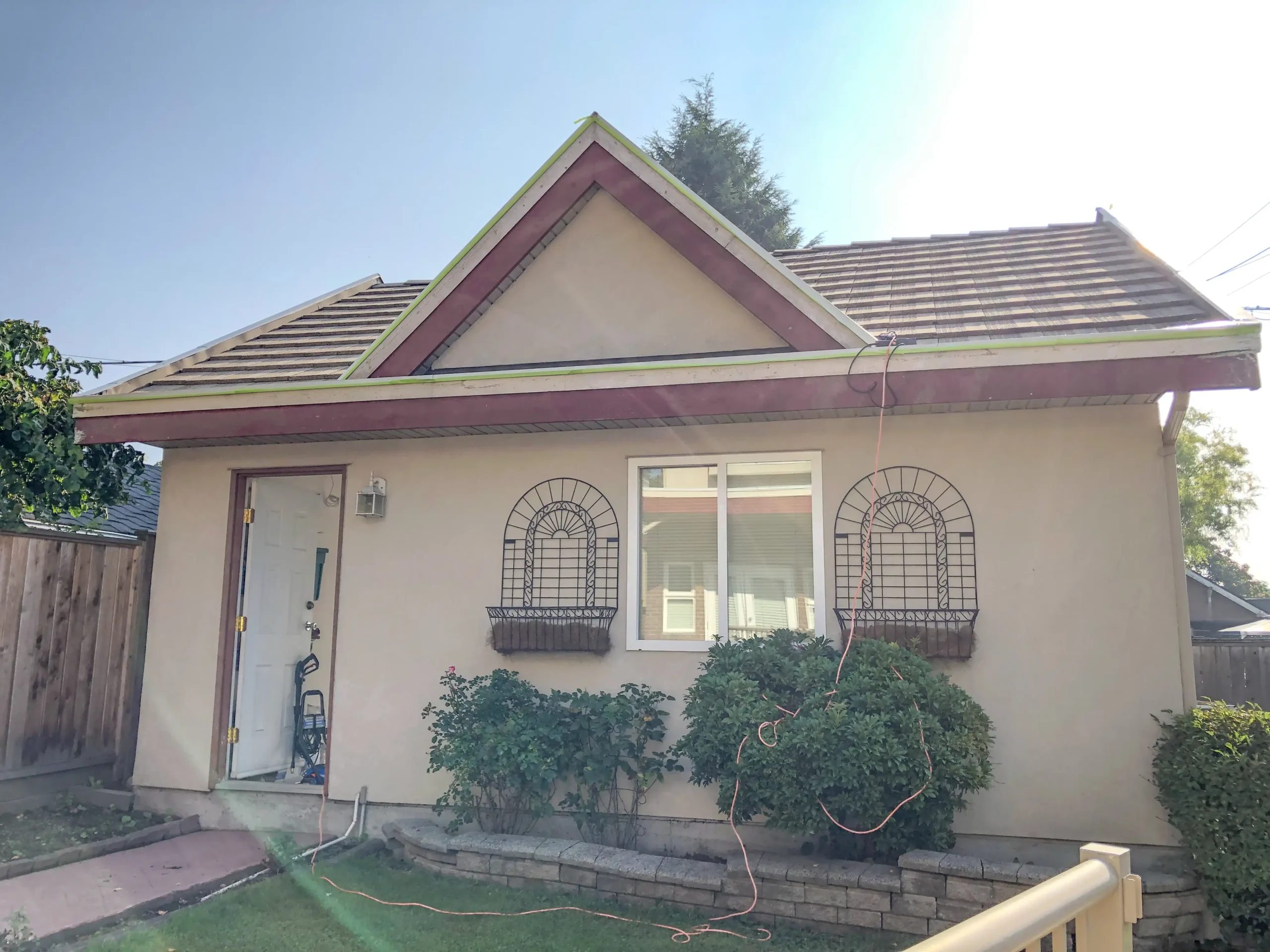
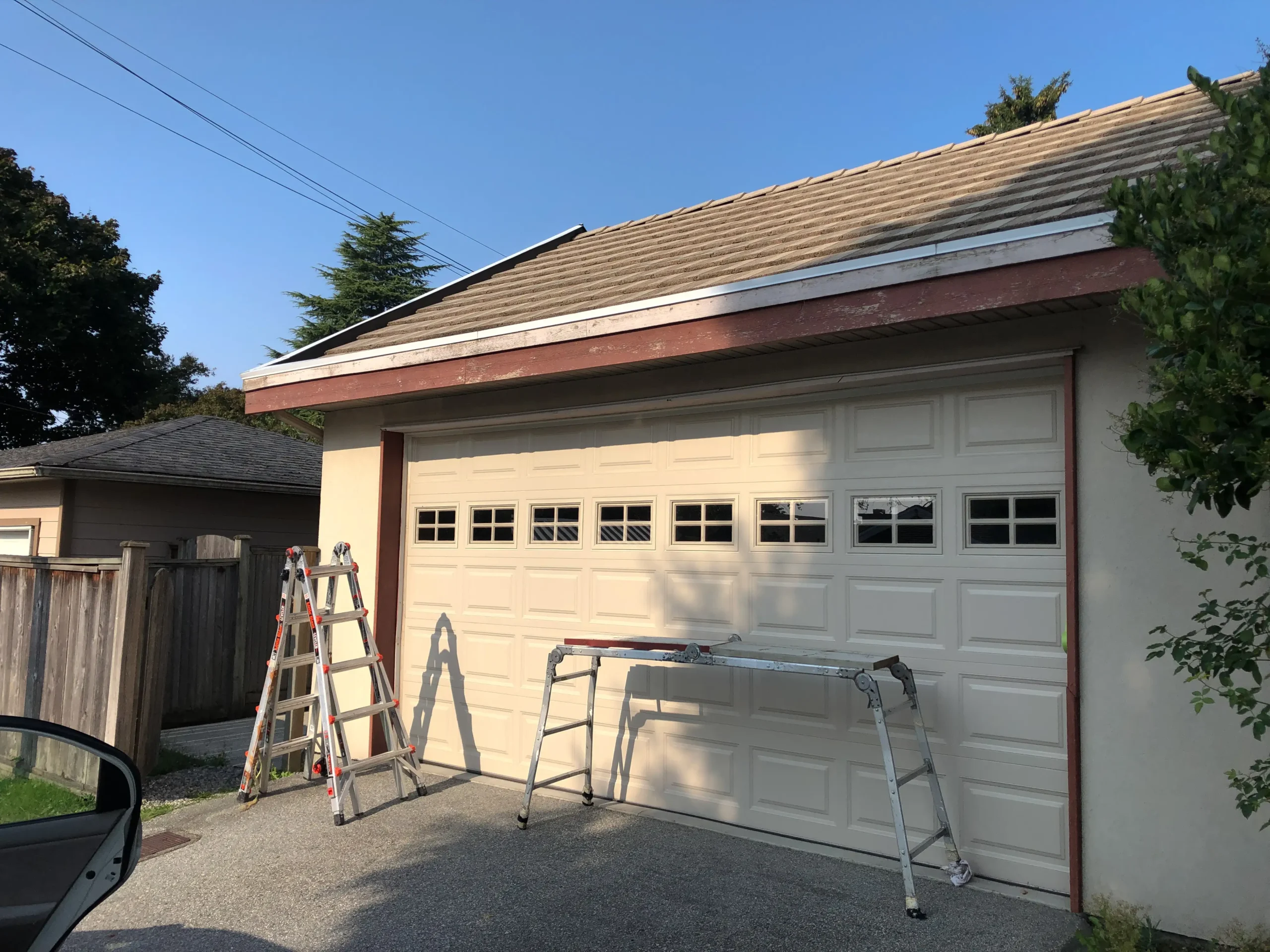
Before painting begins, the existing surfaces should be inspected for peeling paint, cracks, stains, moisture marks, damaged wood and failed caulking. These conditions can affect the final result if they are ignored. Identifying them during the planning stage helps determine the preparation, repairs and materials required for a more reliable painting project.
Preparation may include washing, scraping, sanding, patching, filling holes and repairing damaged areas before paint is applied. Exterior surfaces can require additional cleaning when exposed to dirt, algae or other buildup. Thorough preparation creates a cleaner surface for the coating and can improve adhesion, coverage and the overall appearance of the finished work.
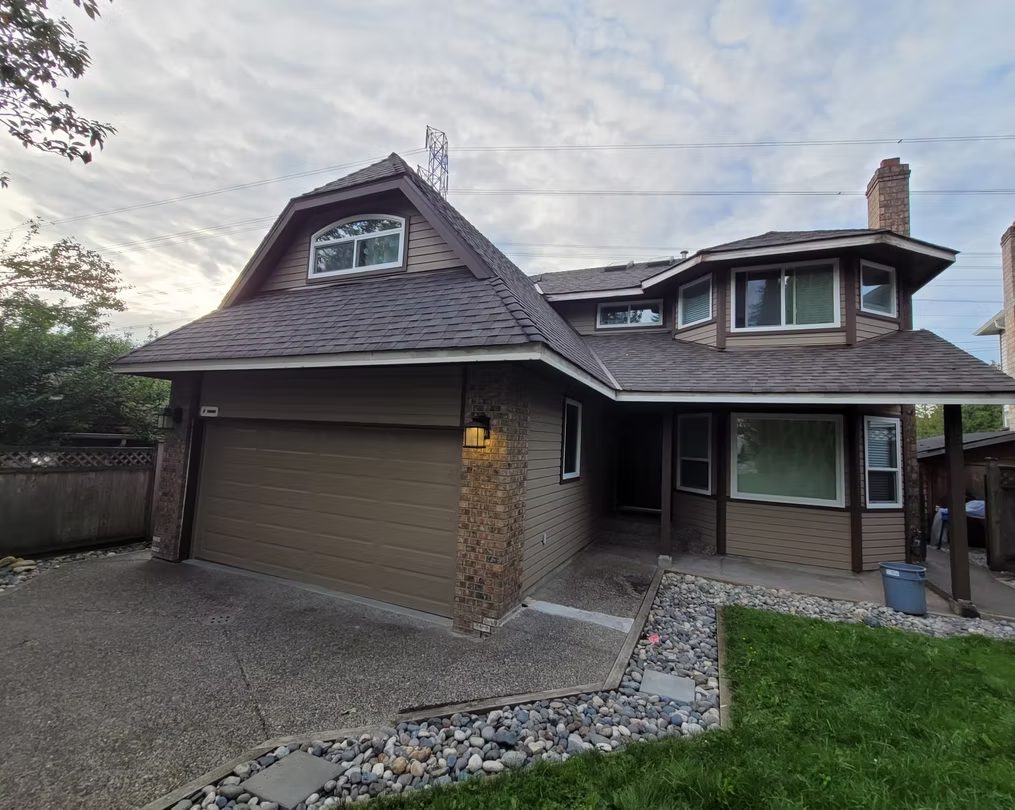
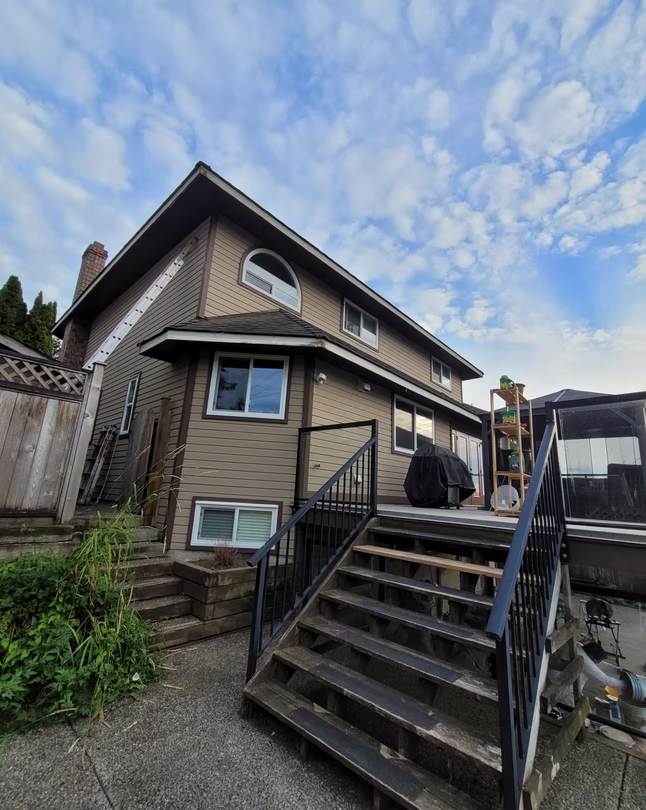
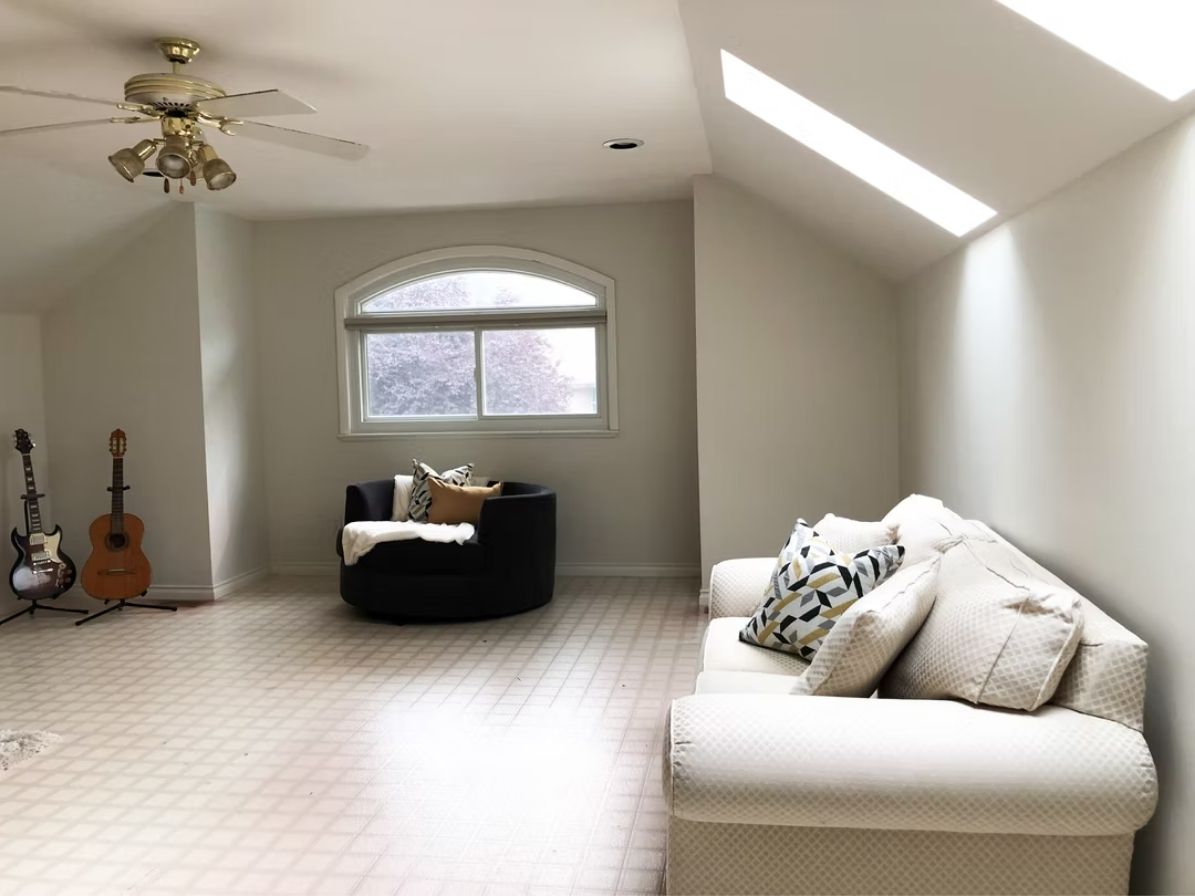
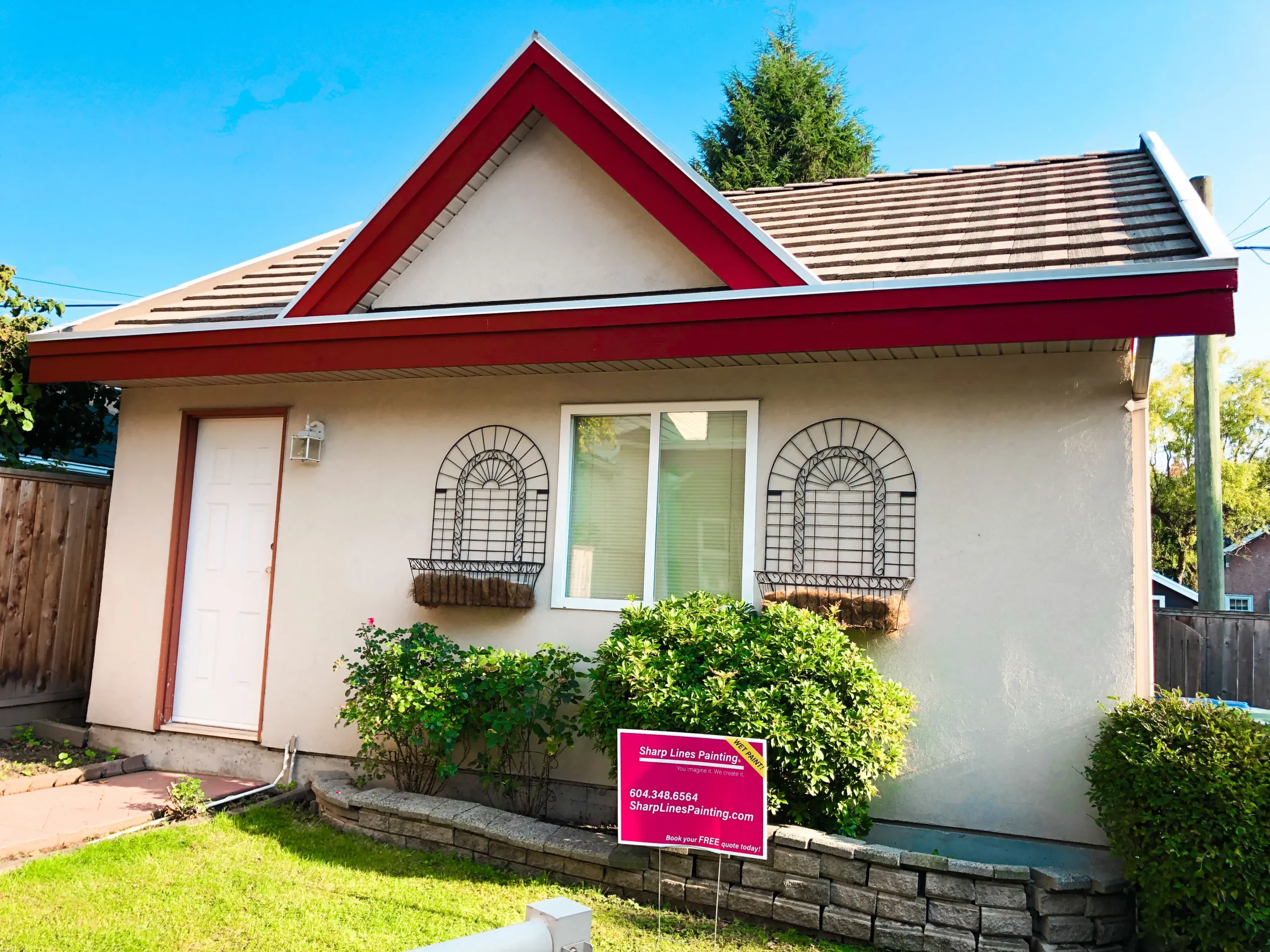
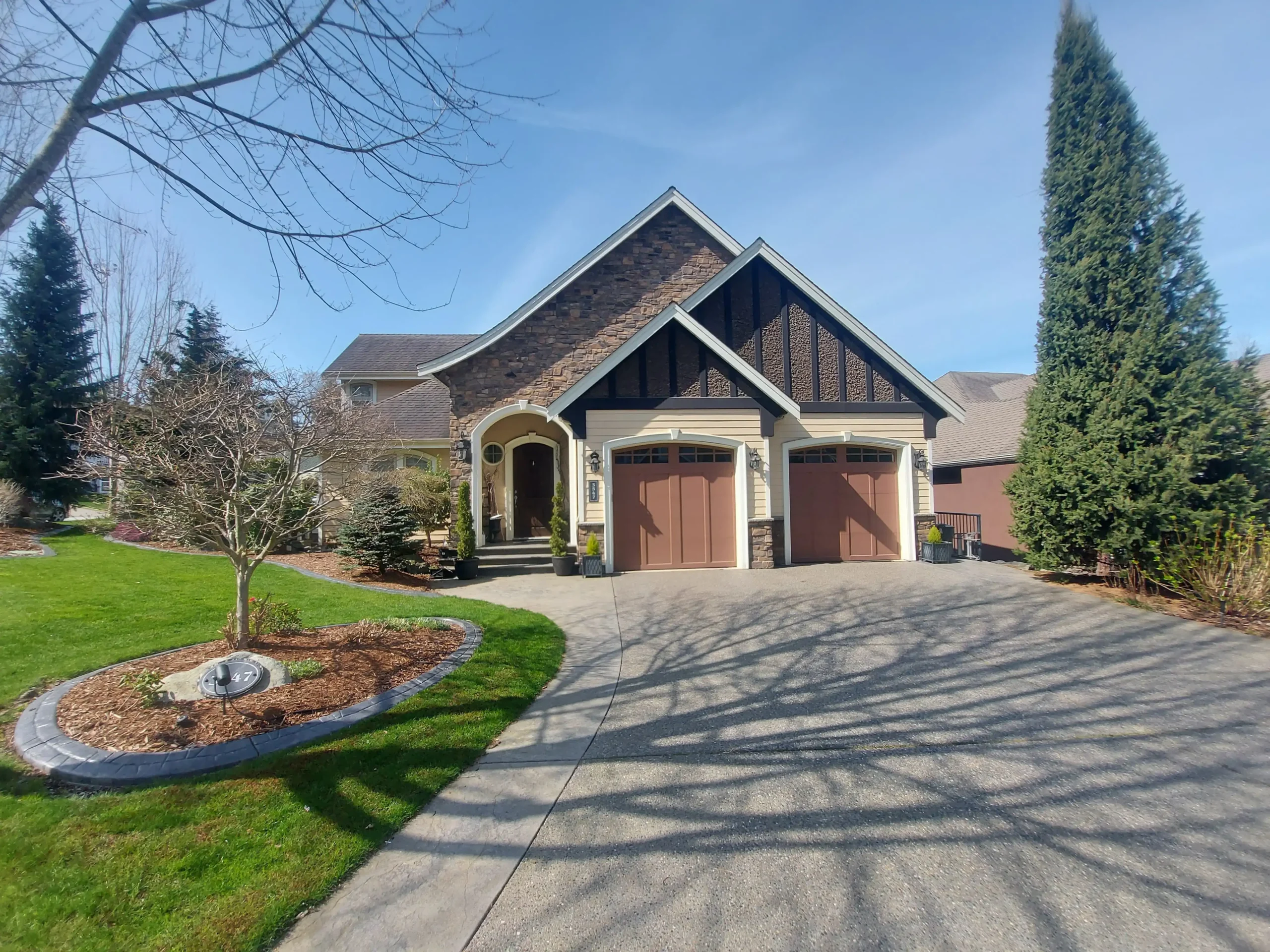
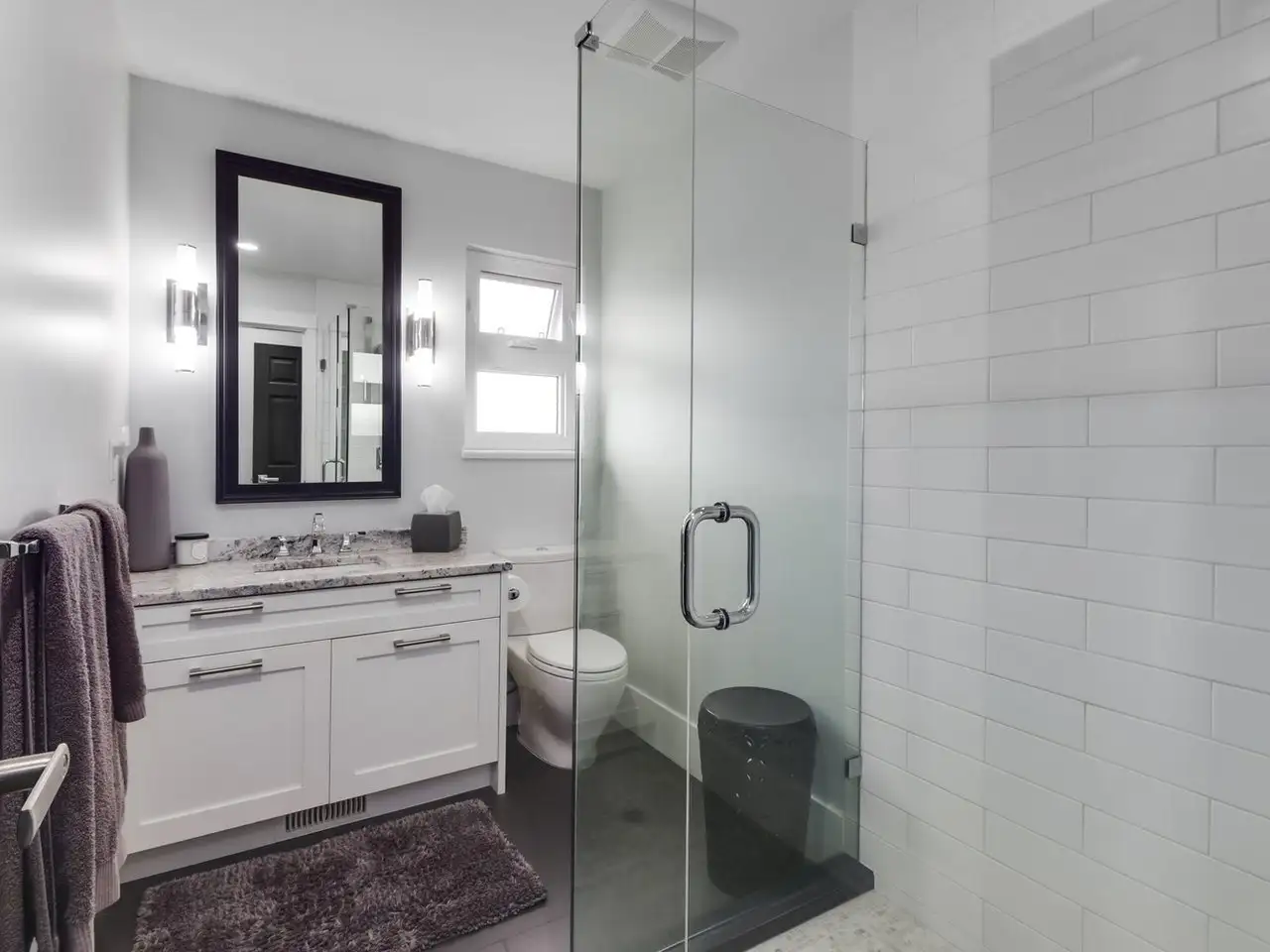
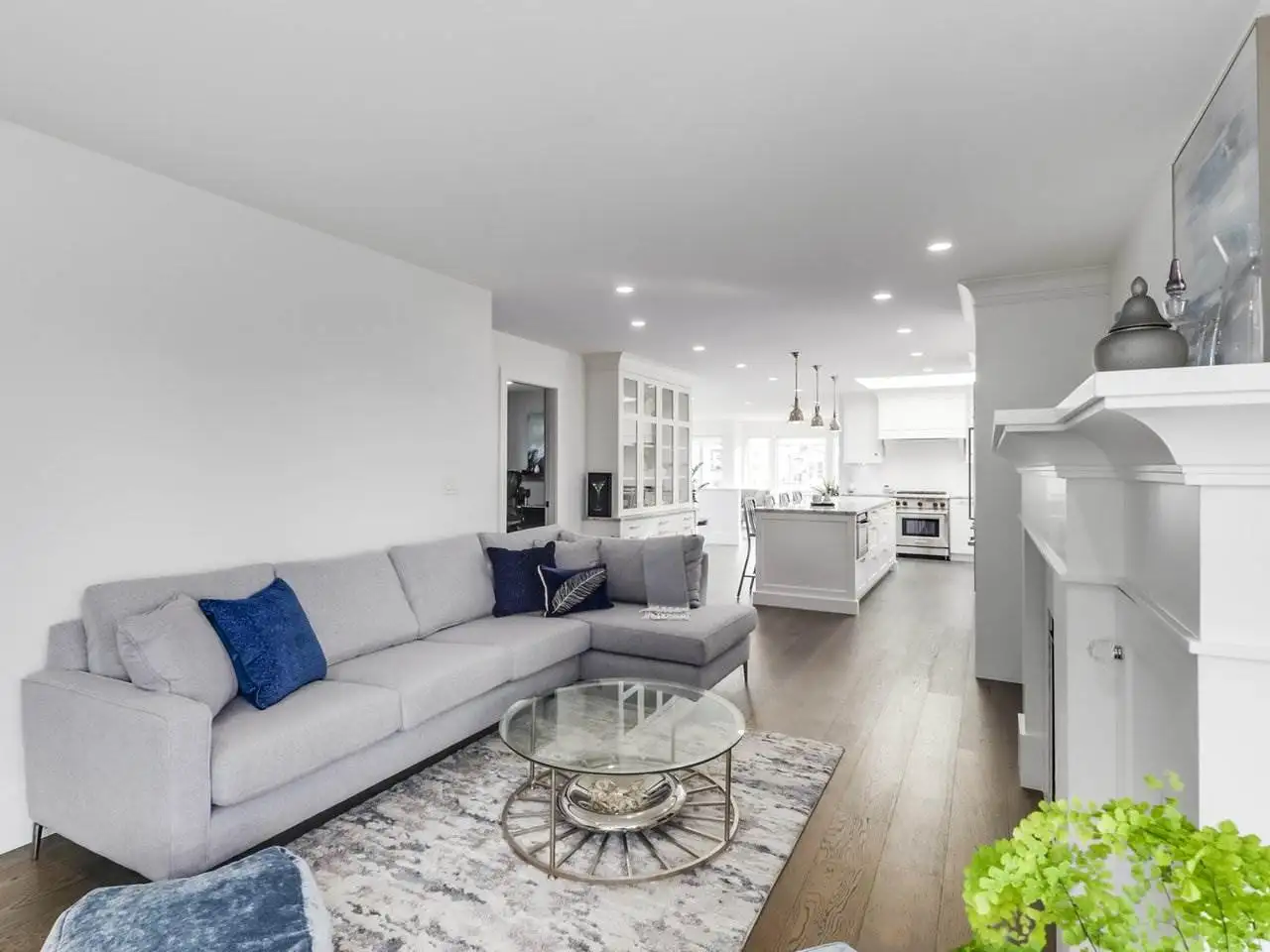
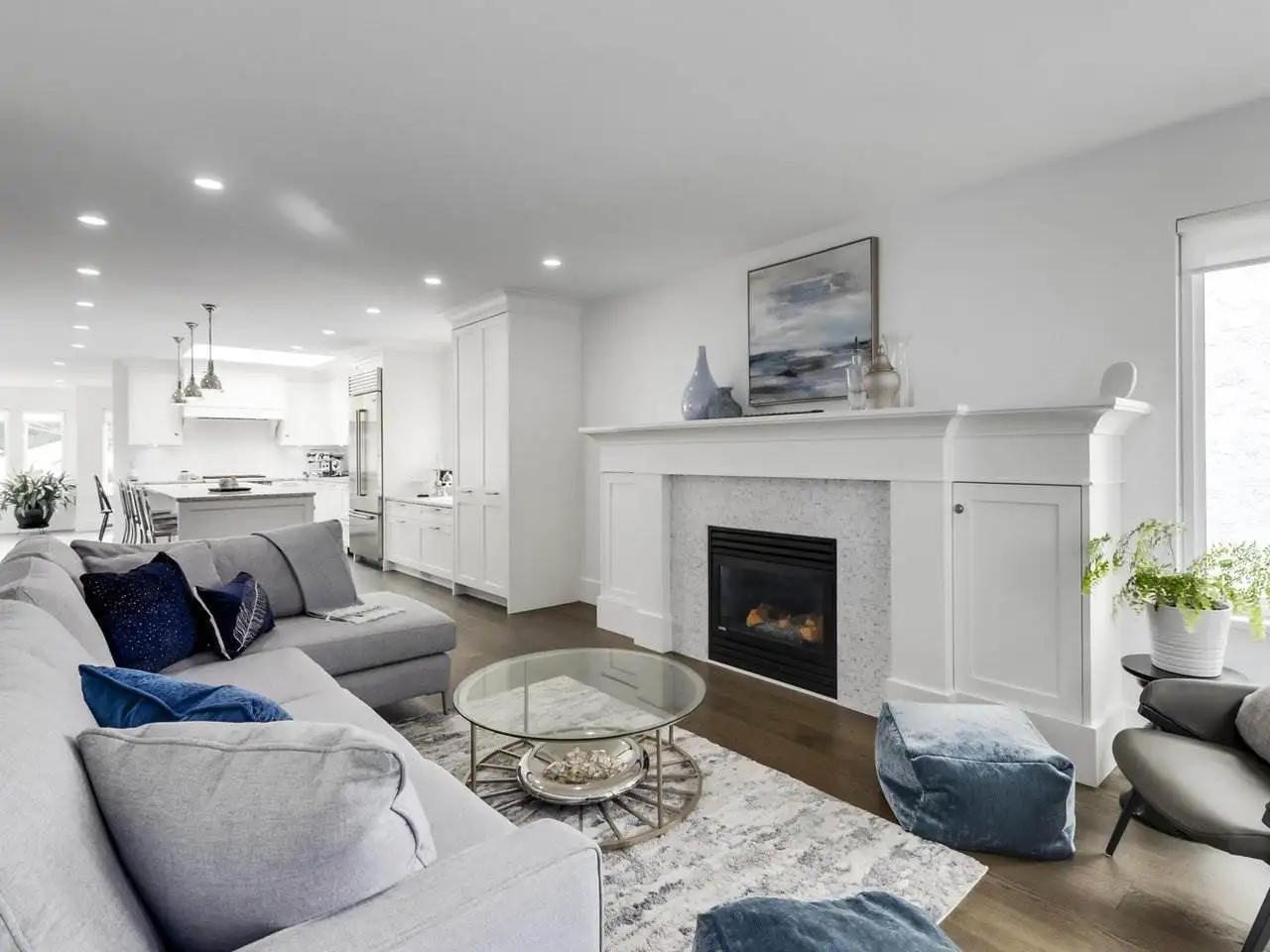
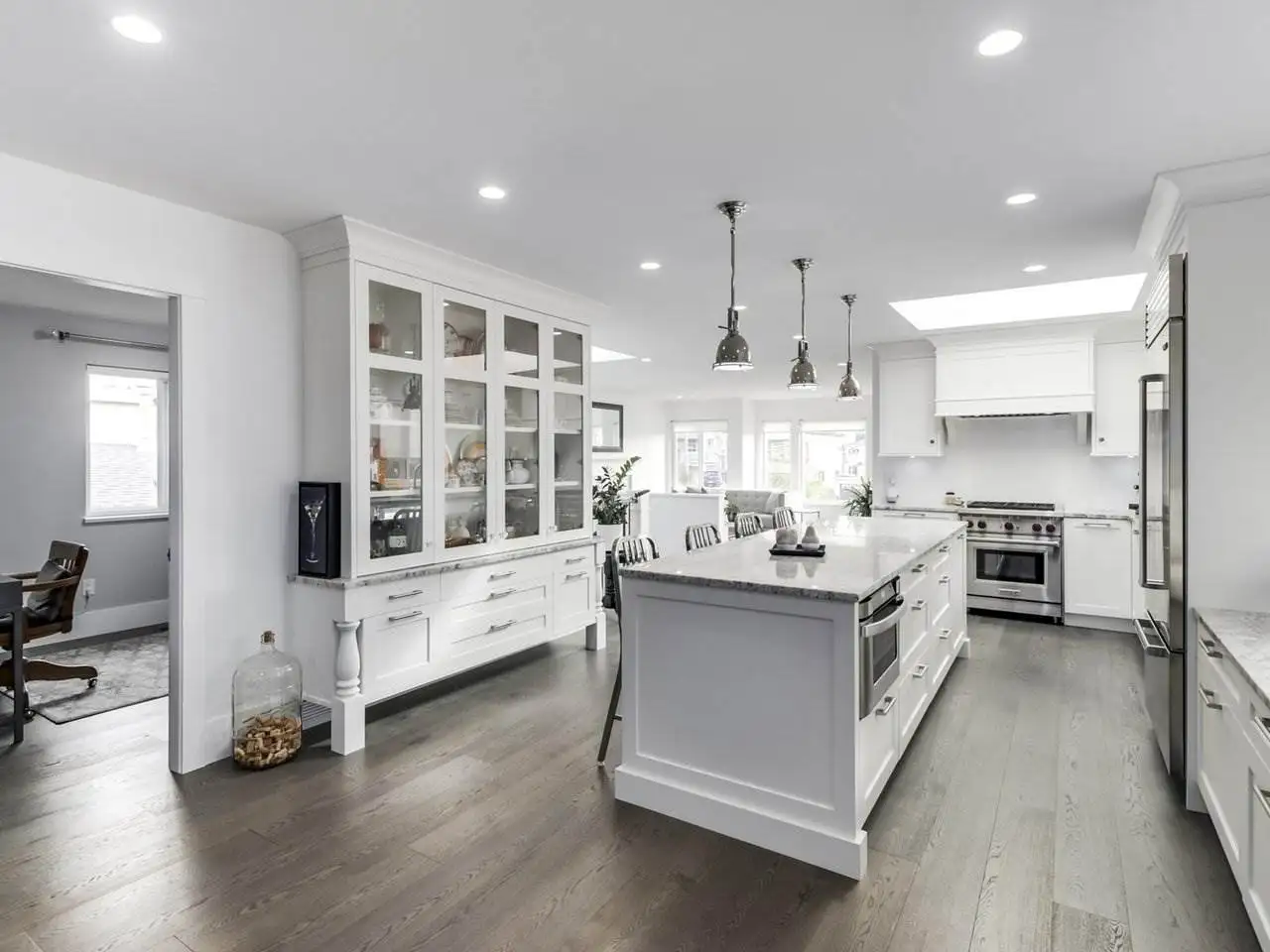
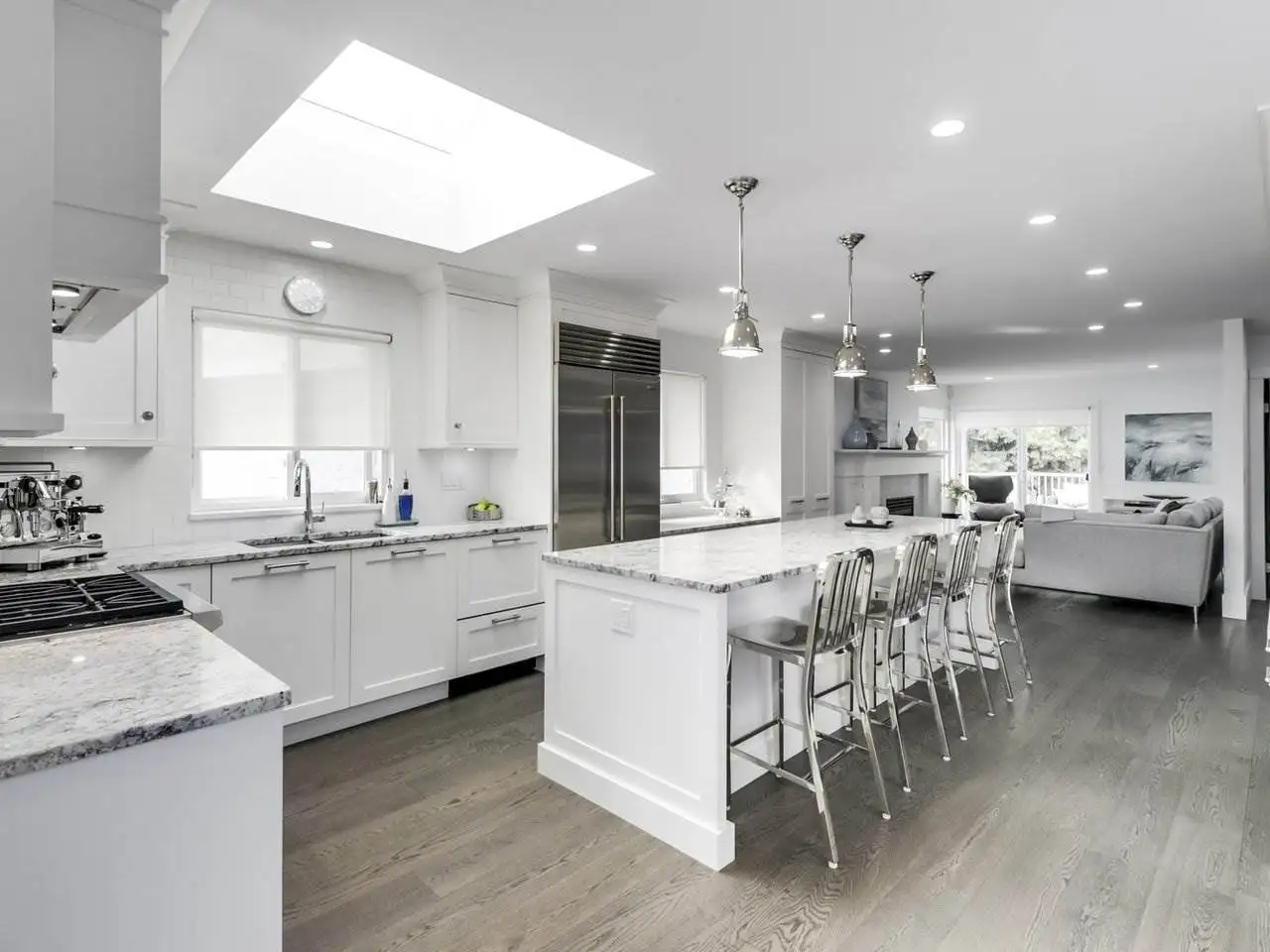
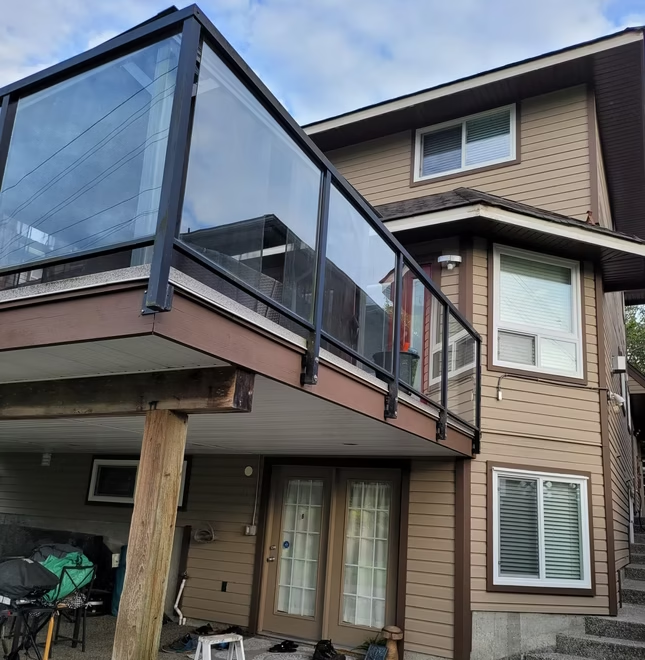
Colour choices should work with the home's existing materials, lighting and interior design. Homeowners often consider flooring, countertops, cabinetry, furniture and natural light before selecting interior paint colours. For exterior projects, siding, roofing, trim, landscaping and surrounding architecture can all influence the final colour combination and overall curb appeal.
Paint sheen should be selected according to the location and how much wear the surface receives. Washable finishes can be useful in kitchens, hallways and busy family areas, while different sheen levels may be selected for trim, doors and cabinetry. Exterior coatings should also be matched to the surface material and exposure conditions.
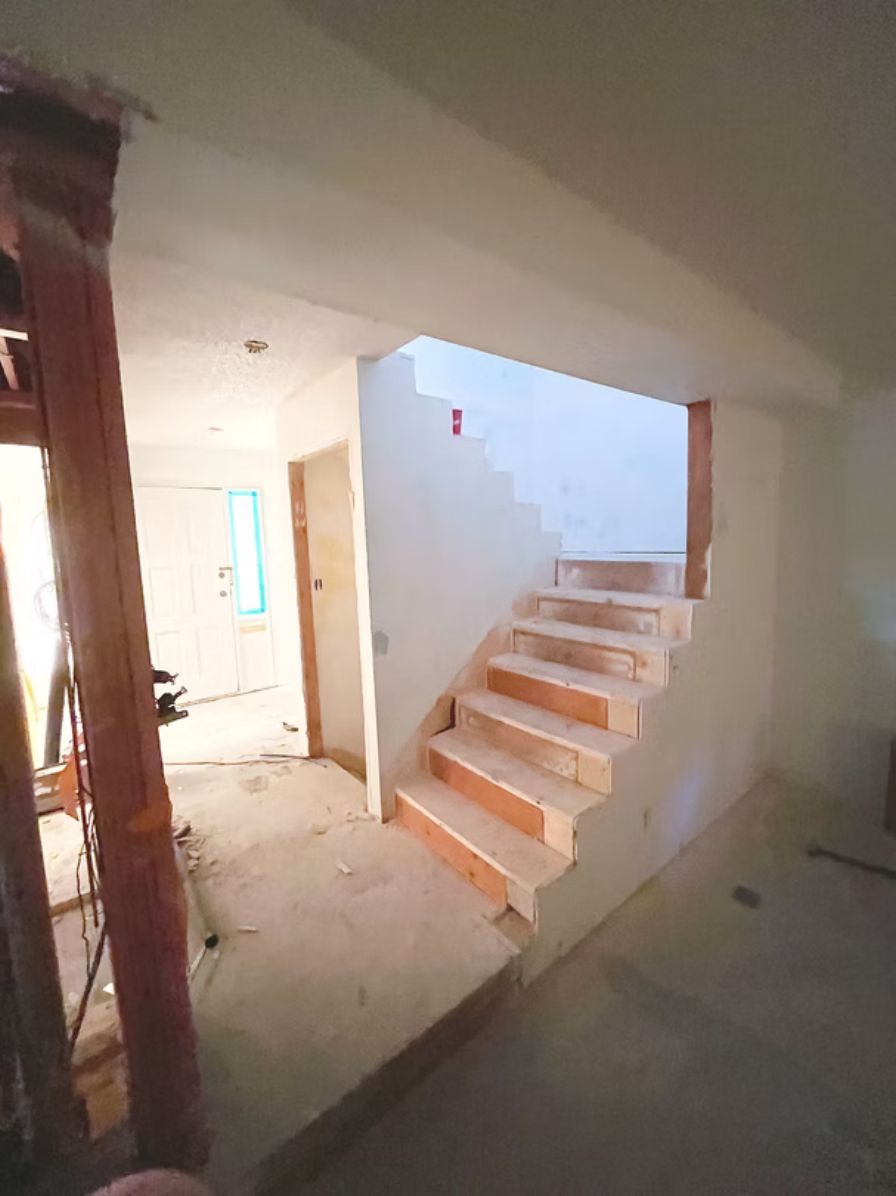
Minor repairs should generally be completed before the final paint is applied. Damaged drywall, deteriorated wood, open joints and cracked caulking can remain visible through a new coating if they are not addressed. Including repairs in the painting scope allows the surface to be properly prepared instead of relying on paint to conceal underlying problems.
Painting schedules can vary depending on project size, preparation requirements, number of coats and whether interior or exterior surfaces are involved. Larger projects may be easier to manage when rooms or property areas are planned in stages. Discussing access, furniture, colour selections and preparation requirements in advance helps create a clearer project timeline.