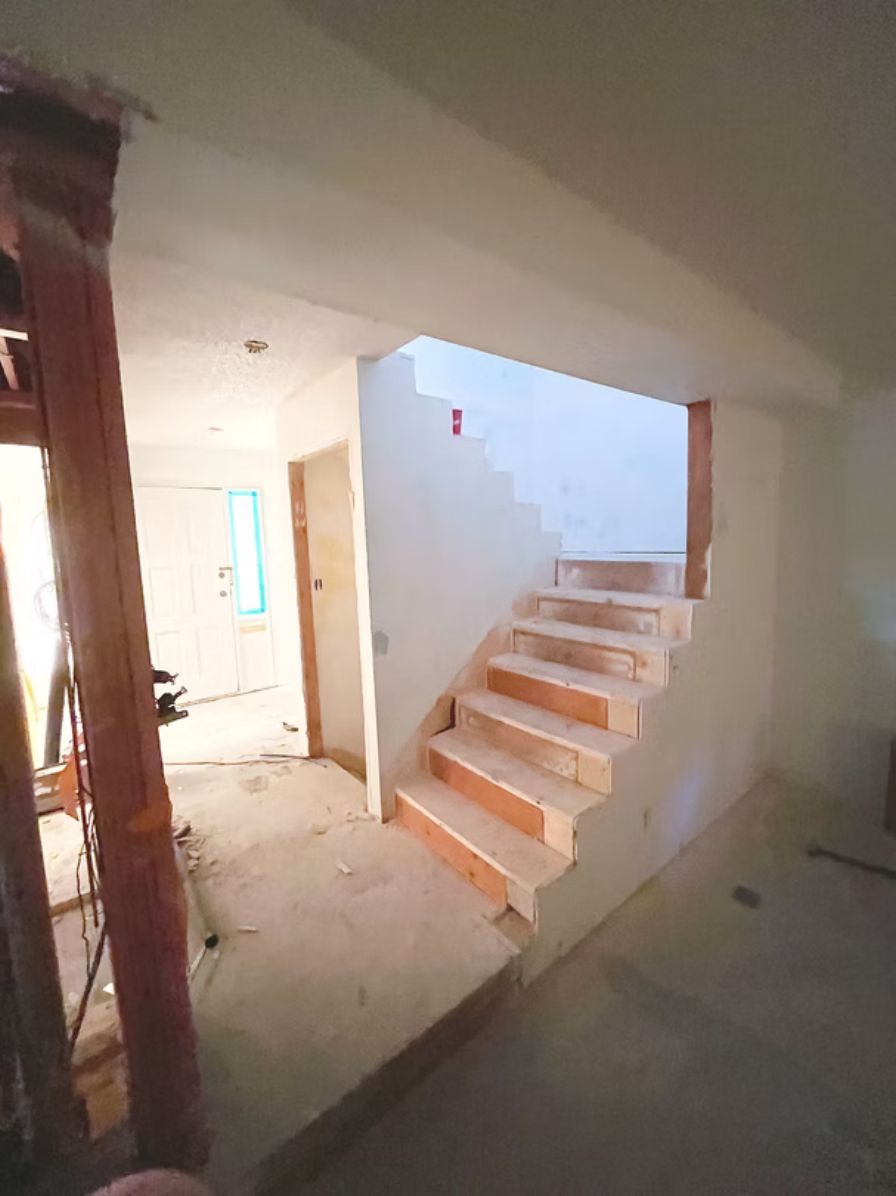
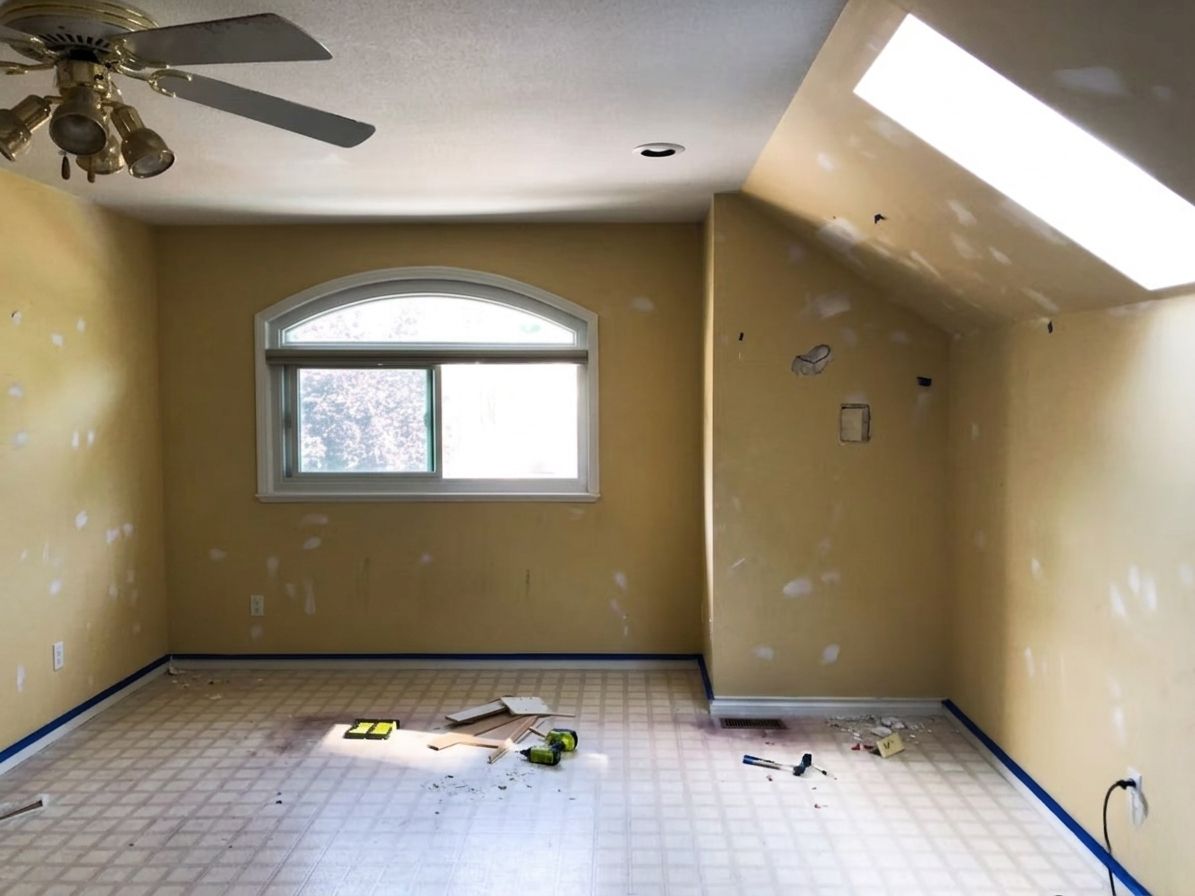
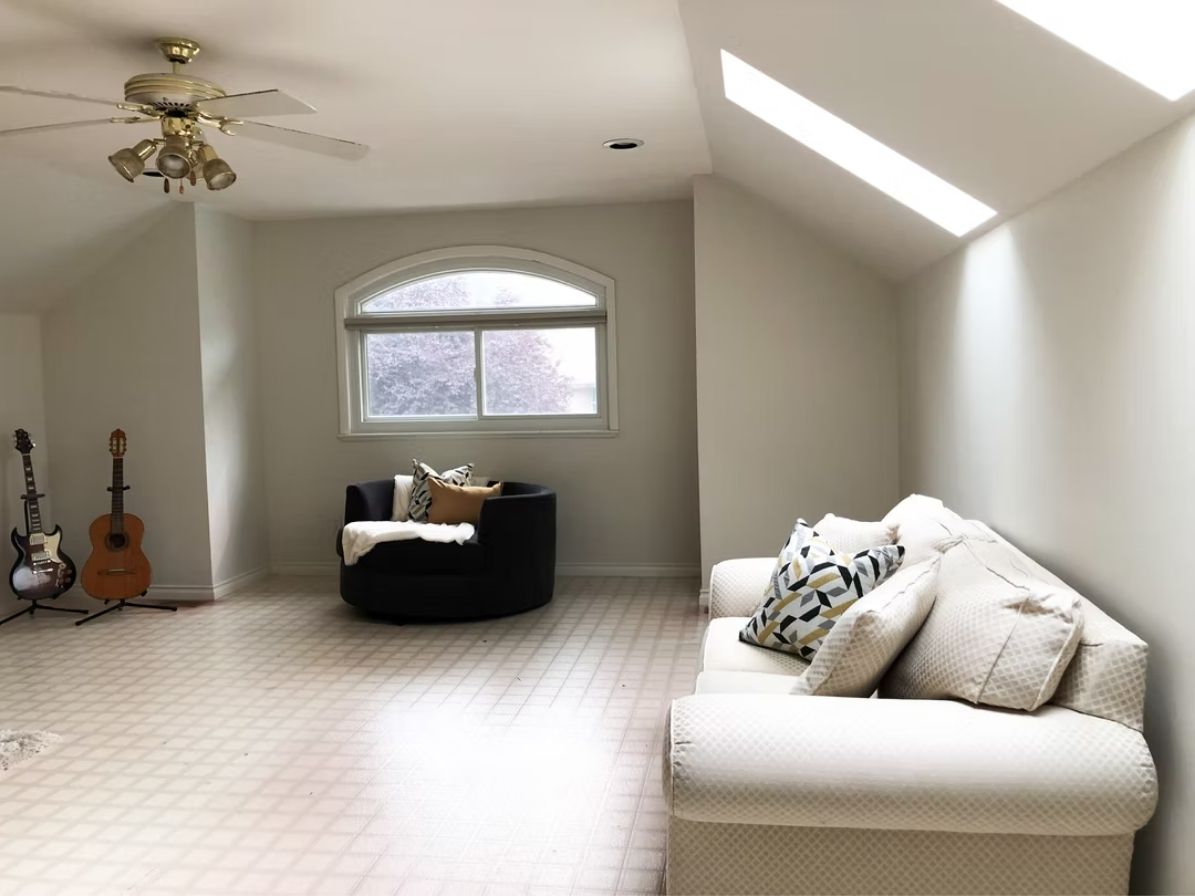
The condition of the existing surface should be assessed before choosing paint or planning the application. Peeling coatings, cracks, stains, exposed wood and damaged areas can require preparation or repairs first. Identifying these issues early helps establish a realistic project scope and prevents new paint from being applied over surfaces that are not ready for finishing.
Clean surfaces provide a better starting point for painting. Interior walls may need to be cleaned where grease, dust or marks have accumulated, while exterior areas can require pressure washing to remove dirt, algae and other buildup. Cleaning also helps reveal peeling paint, damaged areas and other conditions that may need attention before coating.
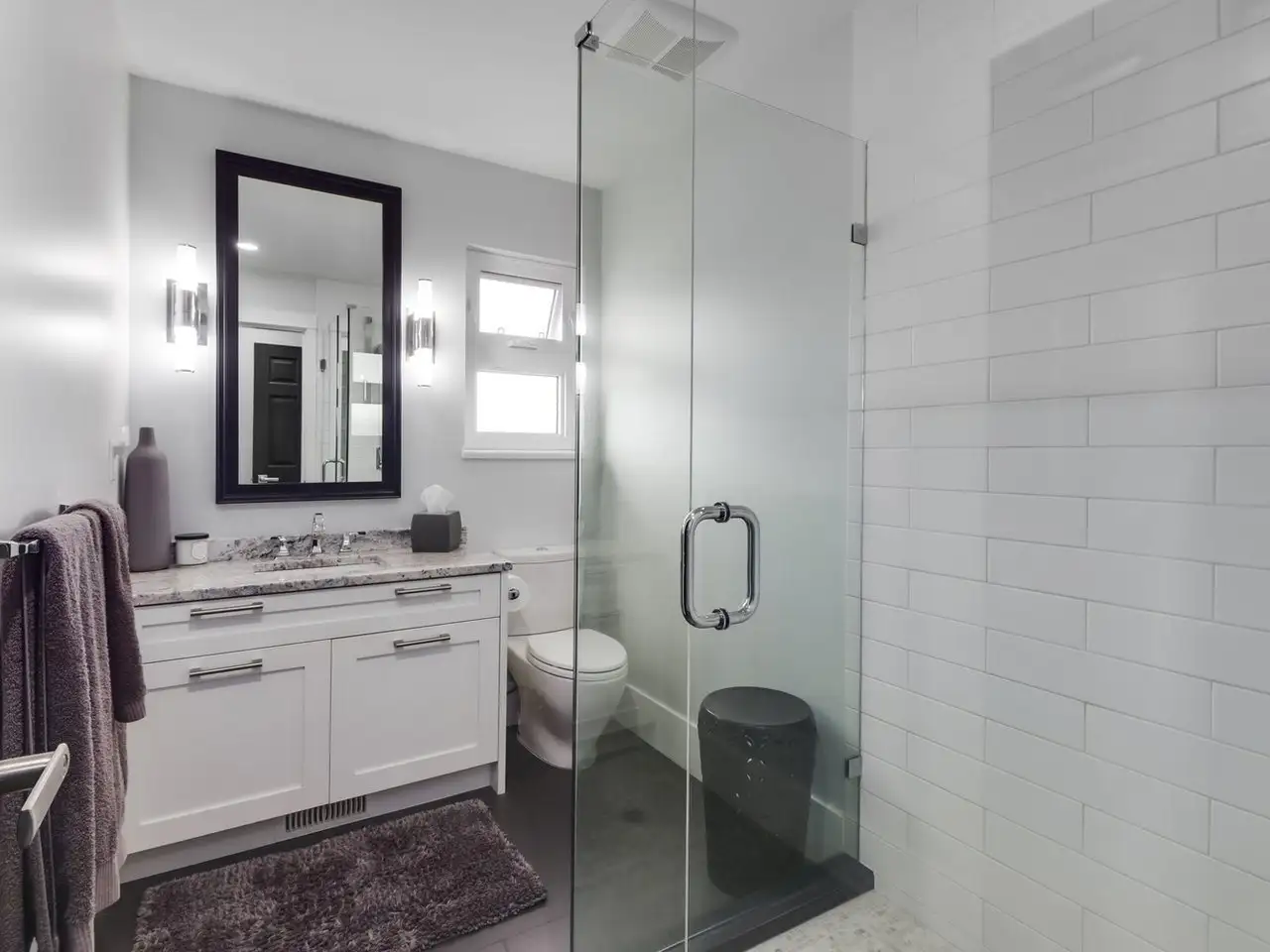
Different surfaces require different painting products. Interior walls, trim, cabinets, exterior siding, decks and concrete floors can each have specific coating requirements. Choosing products based on the material, location and expected wear helps support proper adhesion and performance. A professional painter can recommend suitable products and finishes according to the surface being treated.
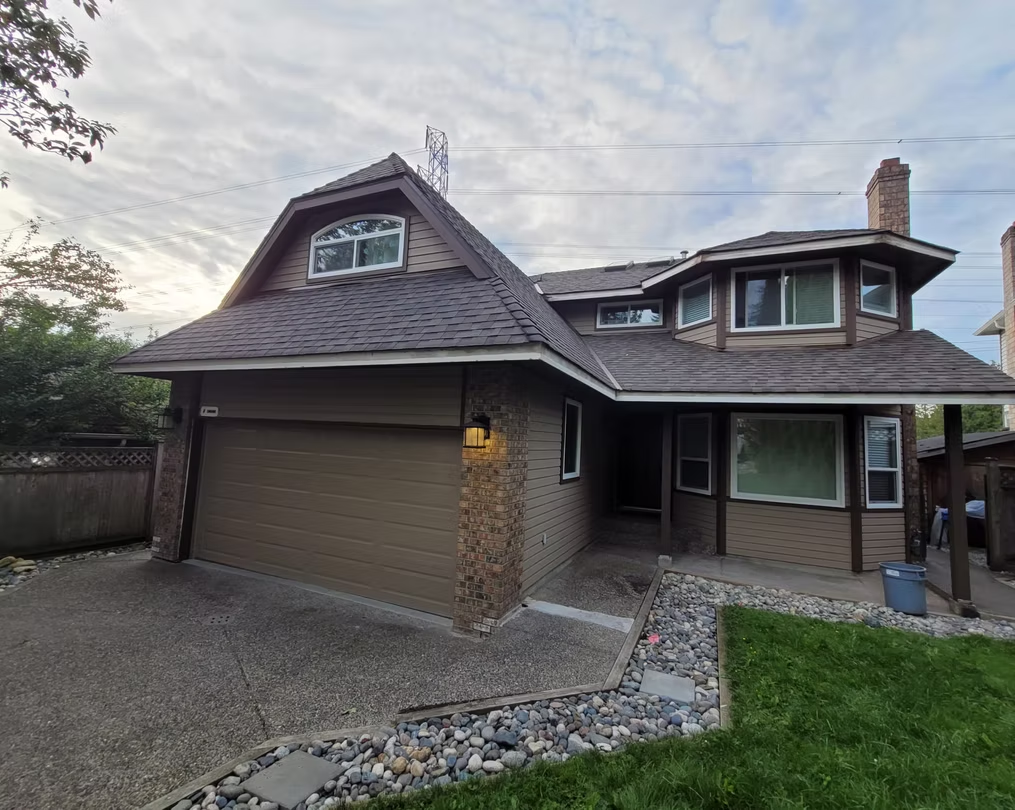
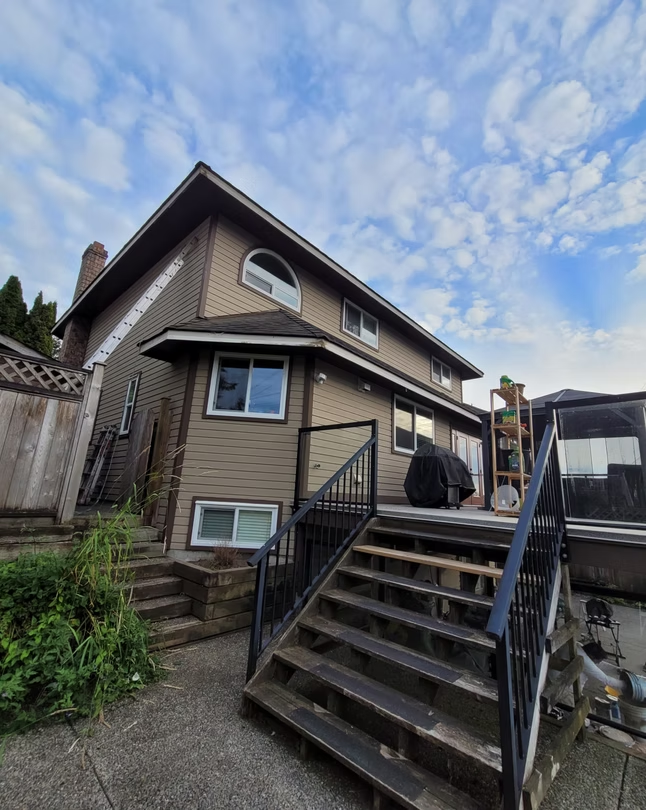
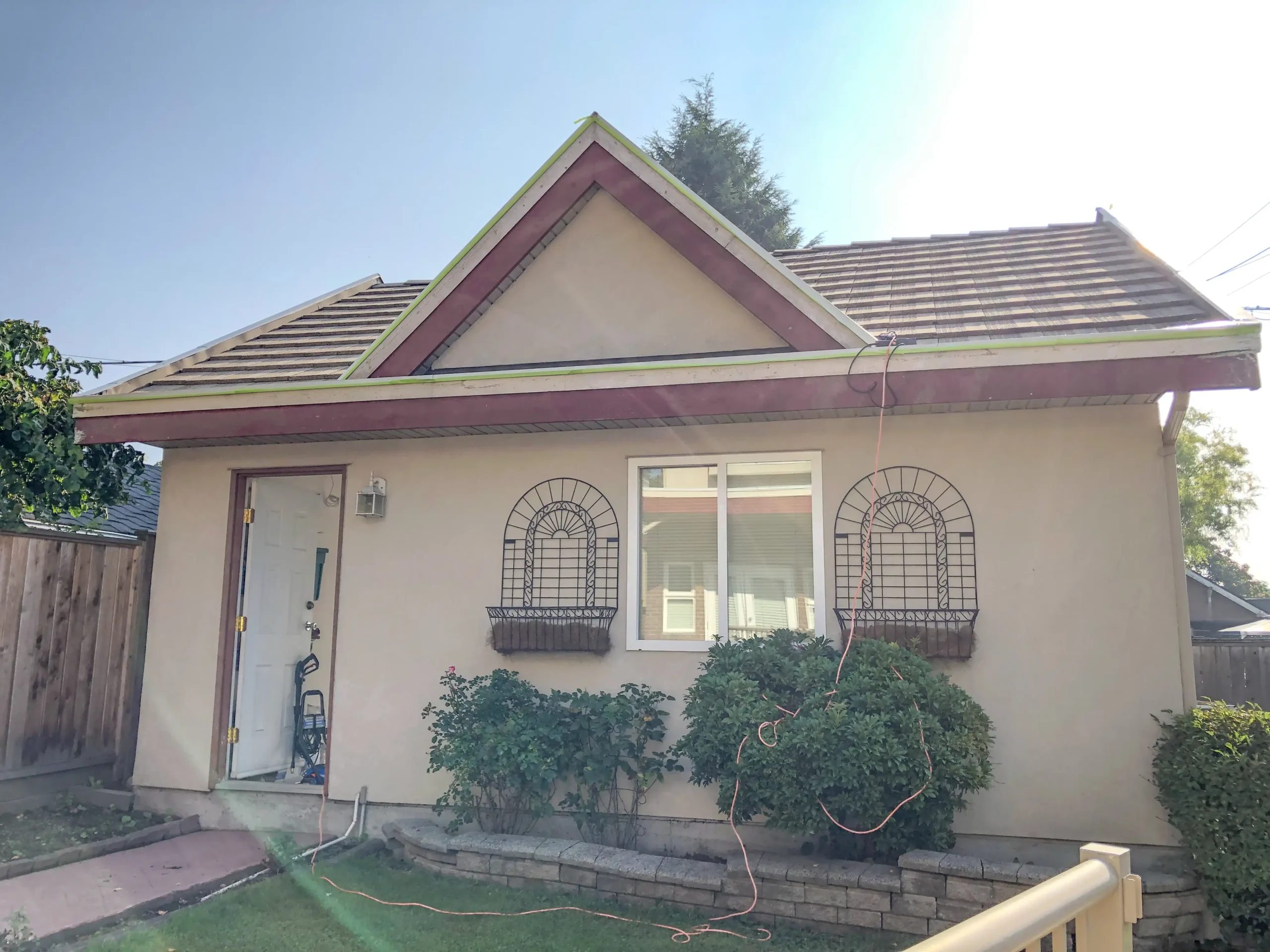
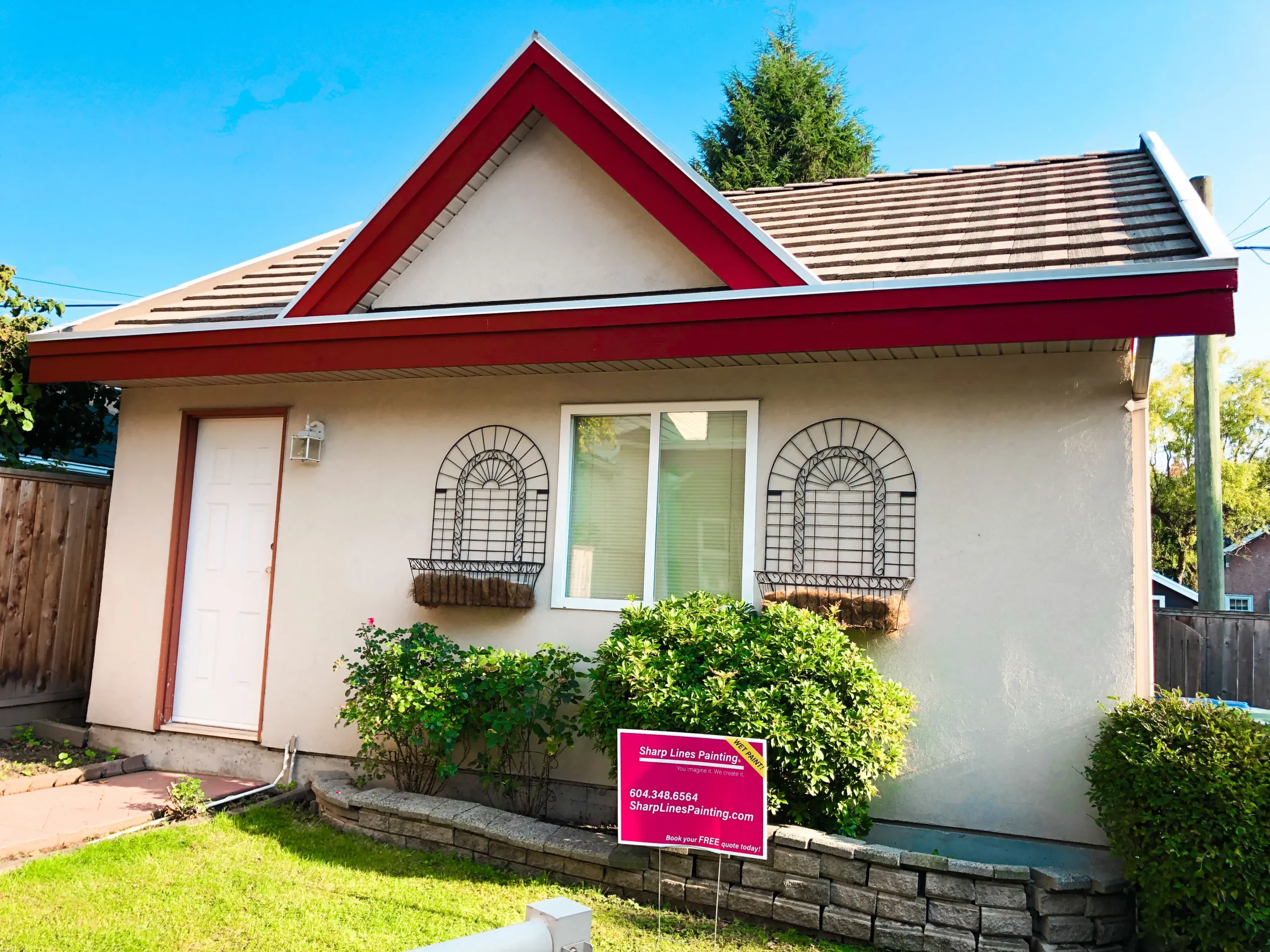
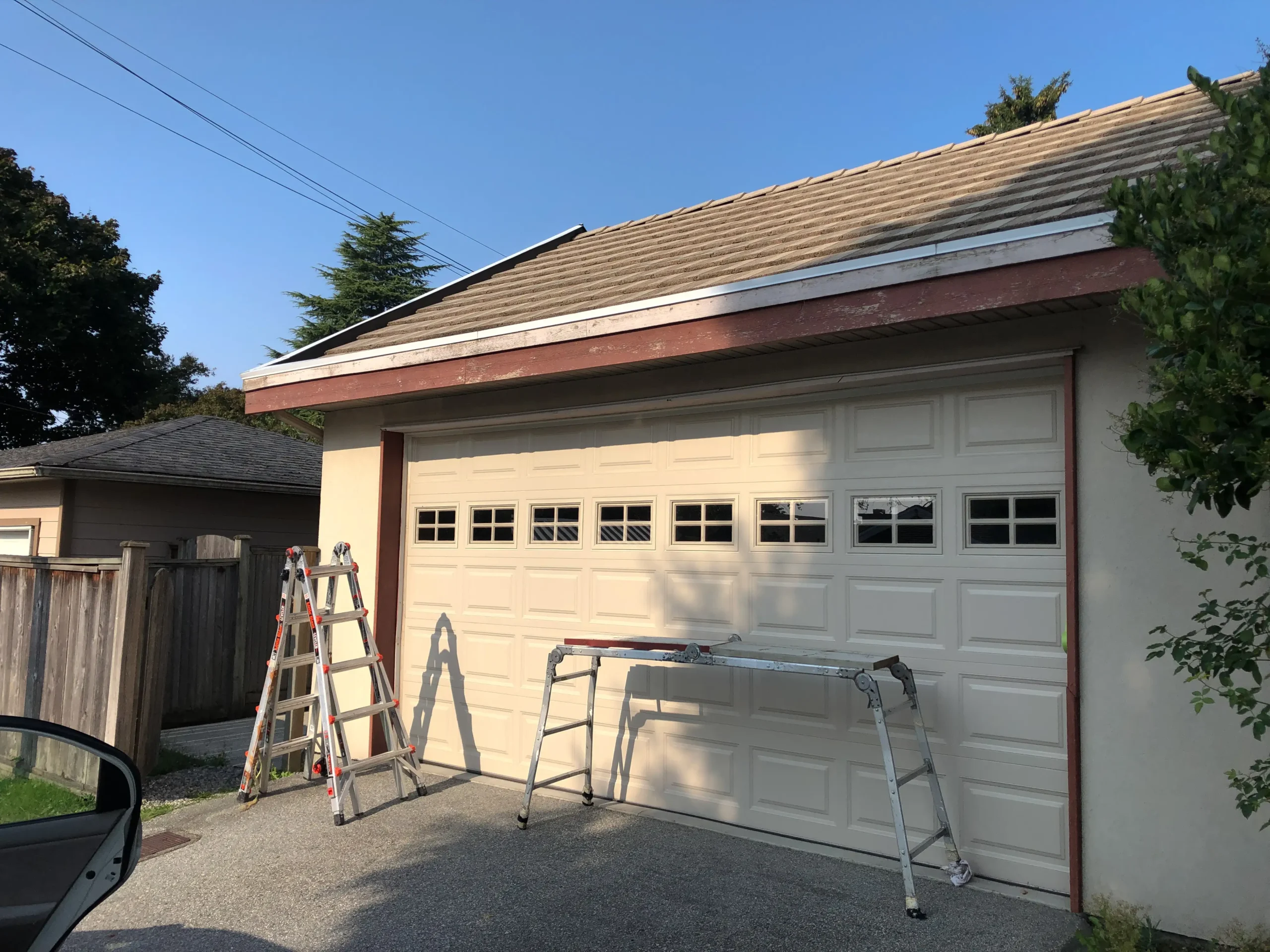
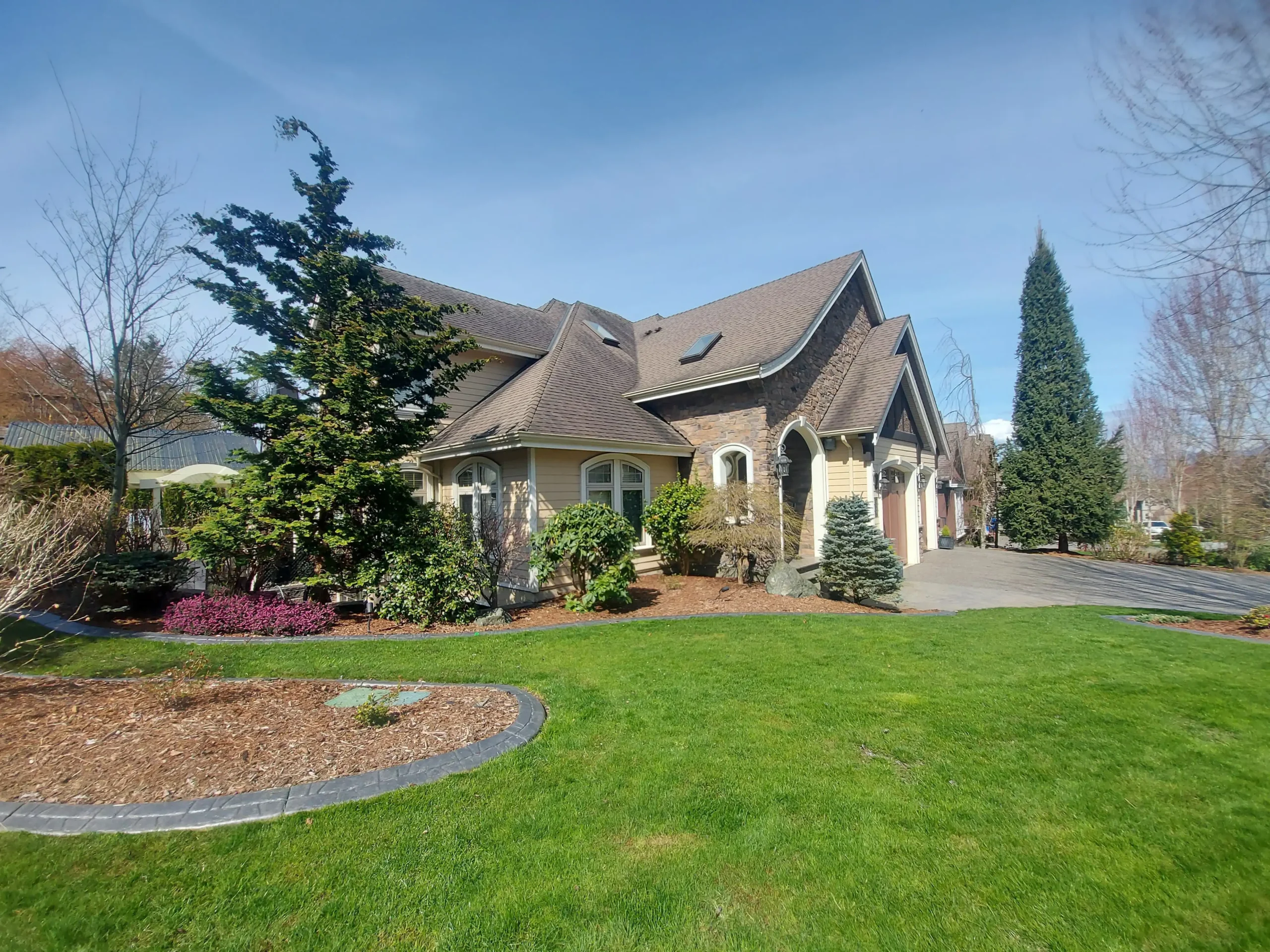
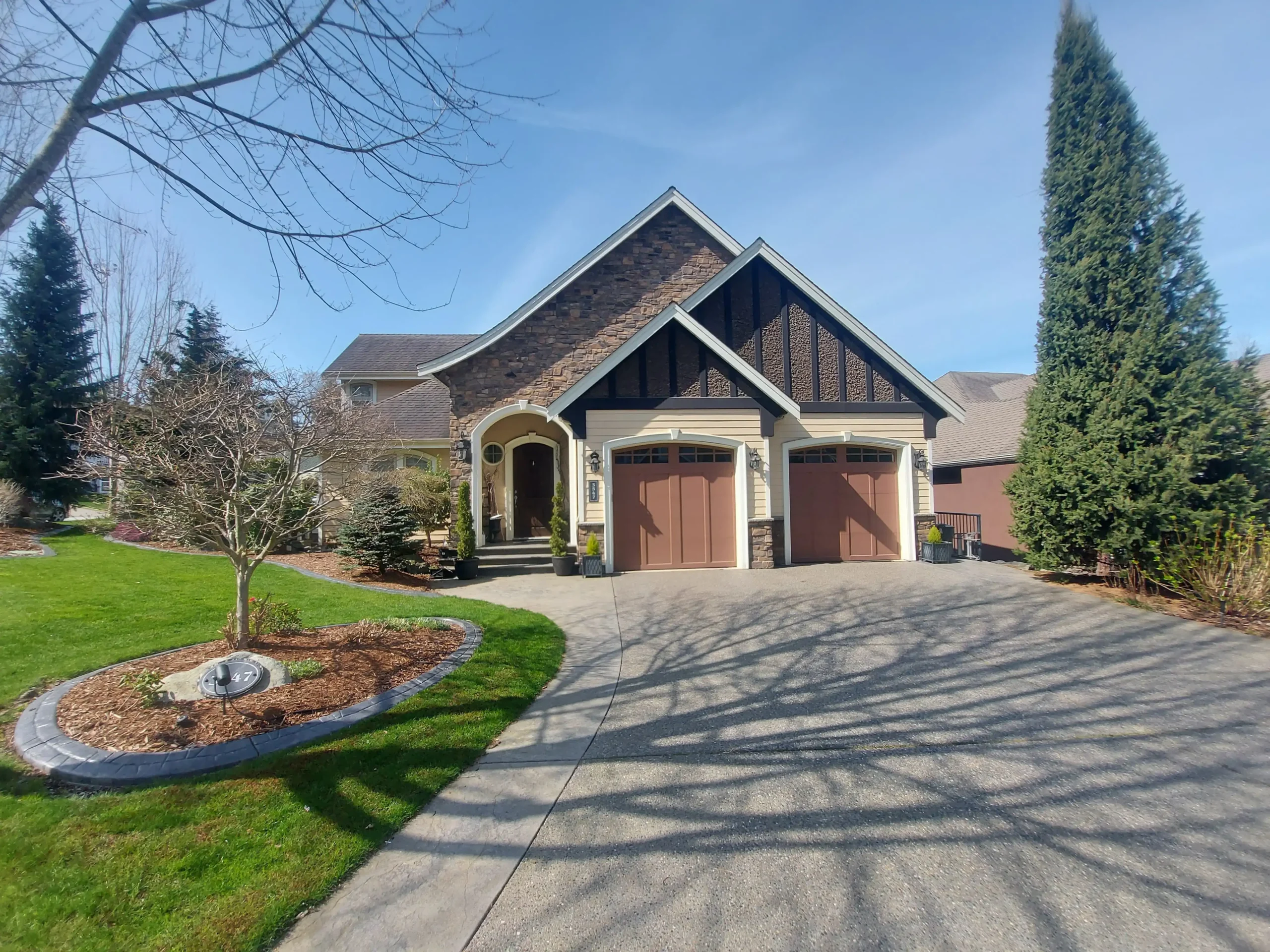
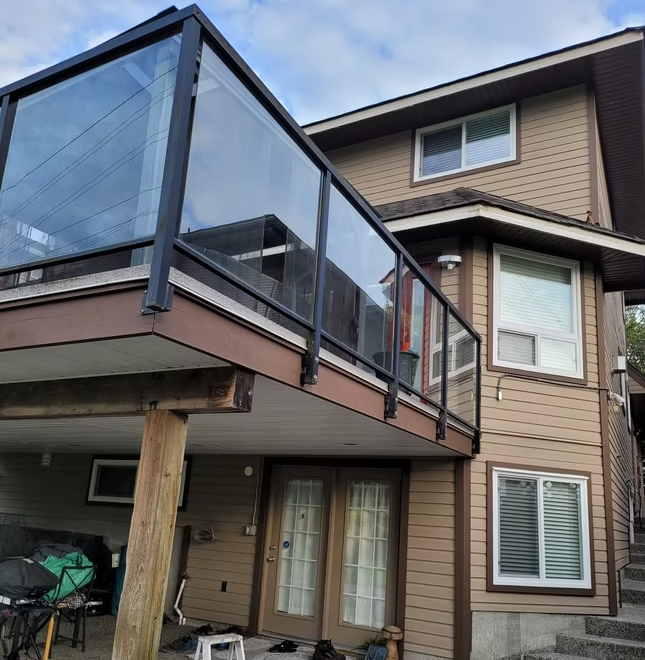
Exterior surfaces should be evaluated for weathering, fading, peeling and deteriorated wood before repainting. Siding, trim, doors, decks and fences may require different preparation methods depending on their material and condition. Proper cleaning and surface preparation can help the new coating bond more effectively and produce a more uniform finished appearance.
Rental and vacation properties often need painting that fits around tenant or guest schedules. High-use areas such as entryways, hallways and common spaces may benefit from durable, washable finishes that are easier to maintain between occupants. Planning painting alongside other maintenance work can also reduce the number of times a property needs to be taken out of use.
Commercial painting projects require consideration of operating hours, customer access, employees and the areas being renovated. Work can sometimes be organized in stages to reduce disruption to daily operations. Establishing the scope, preparation requirements and schedule in advance helps property managers coordinate painting while keeping the business environment functional.