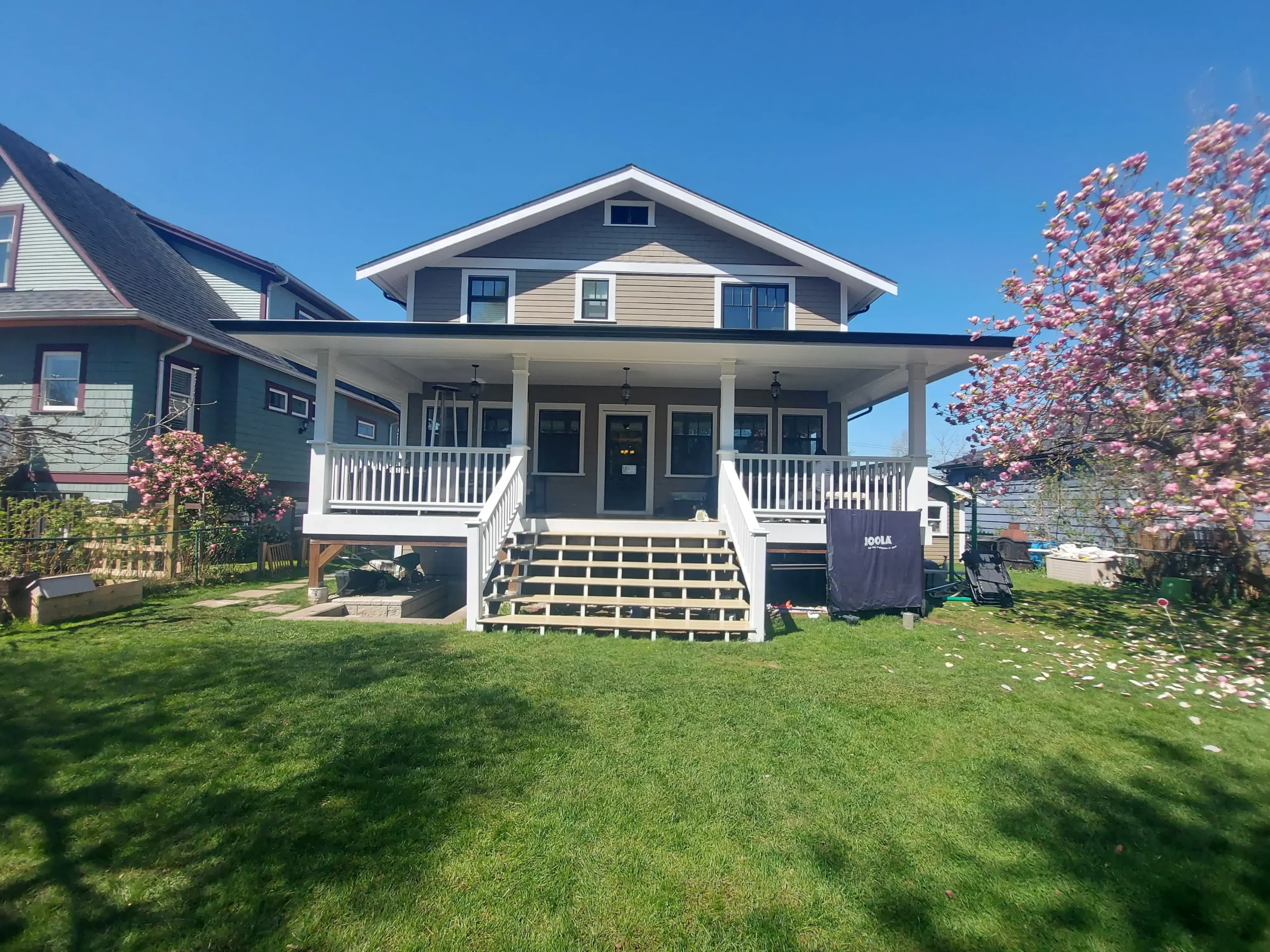
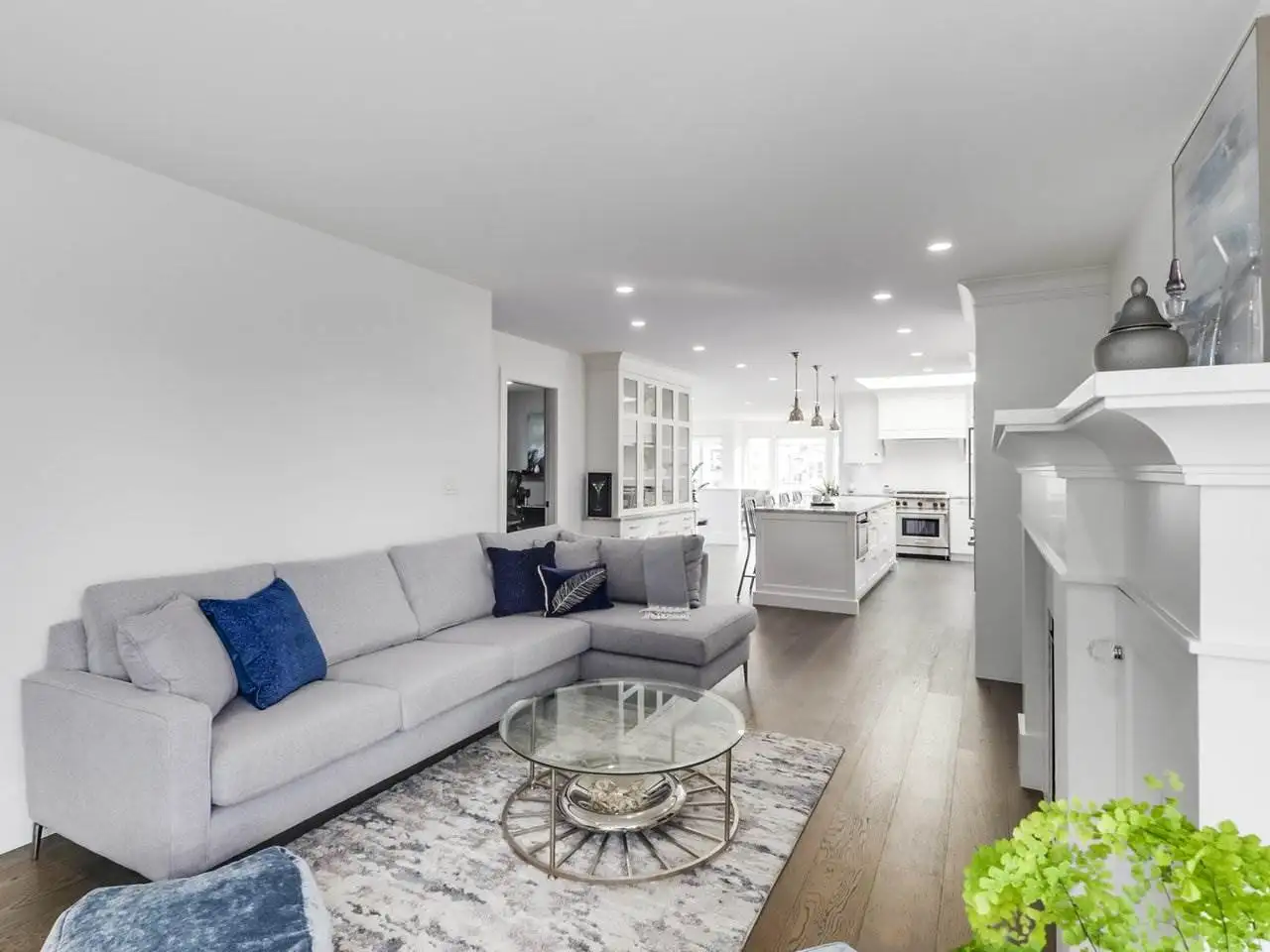
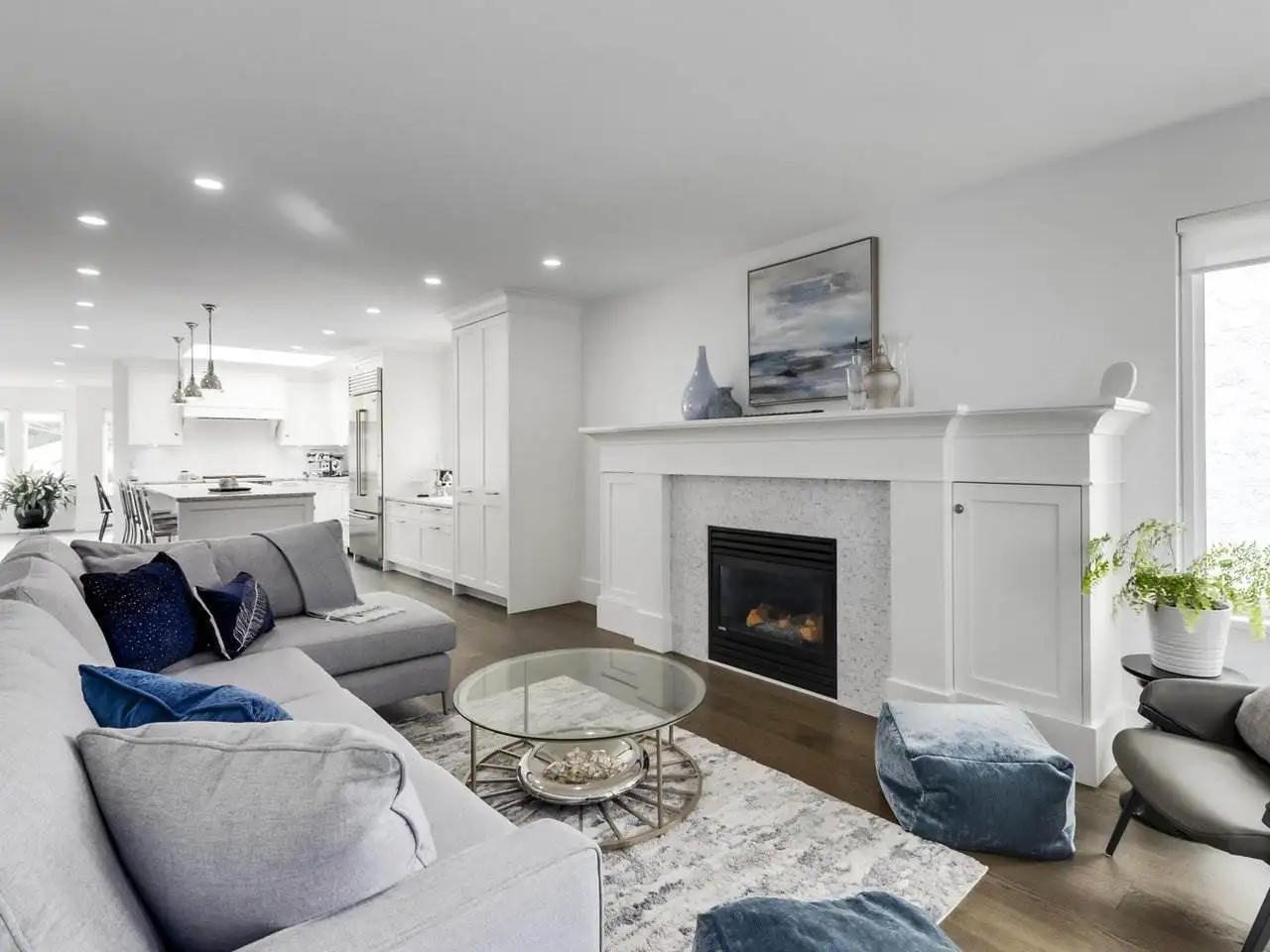
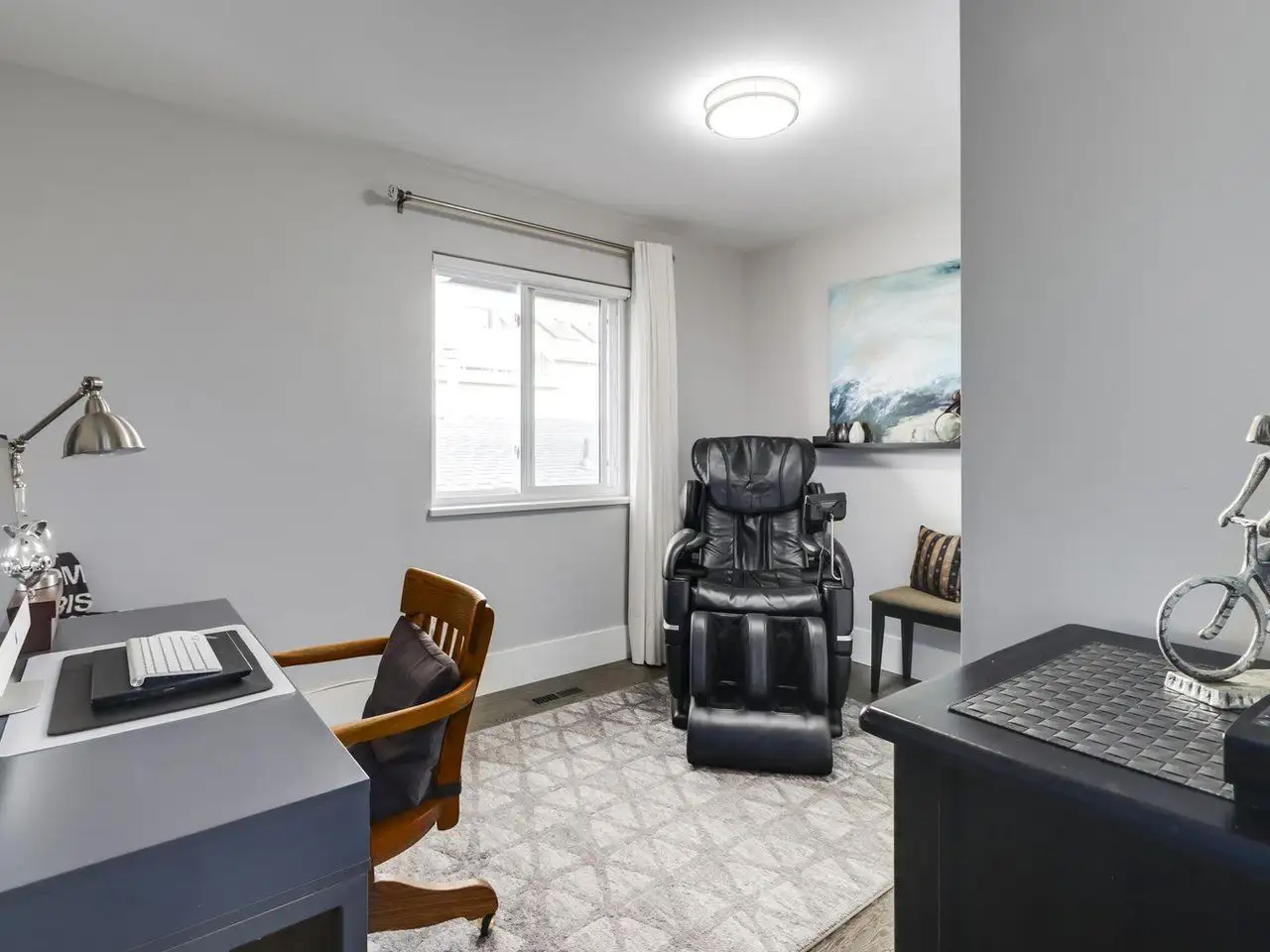
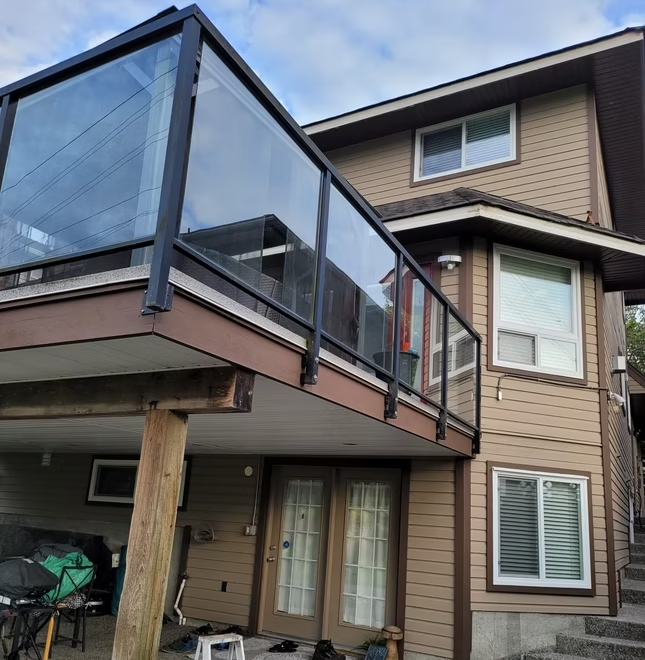
Every successful painting project starts with understanding the scope of work and the condition of the surfaces involved. This allows project requirements, timelines and access arrangements to be considered before work begins. Clear planning helps avoid delays and ensures the right products and preparation methods are selected from the outset.
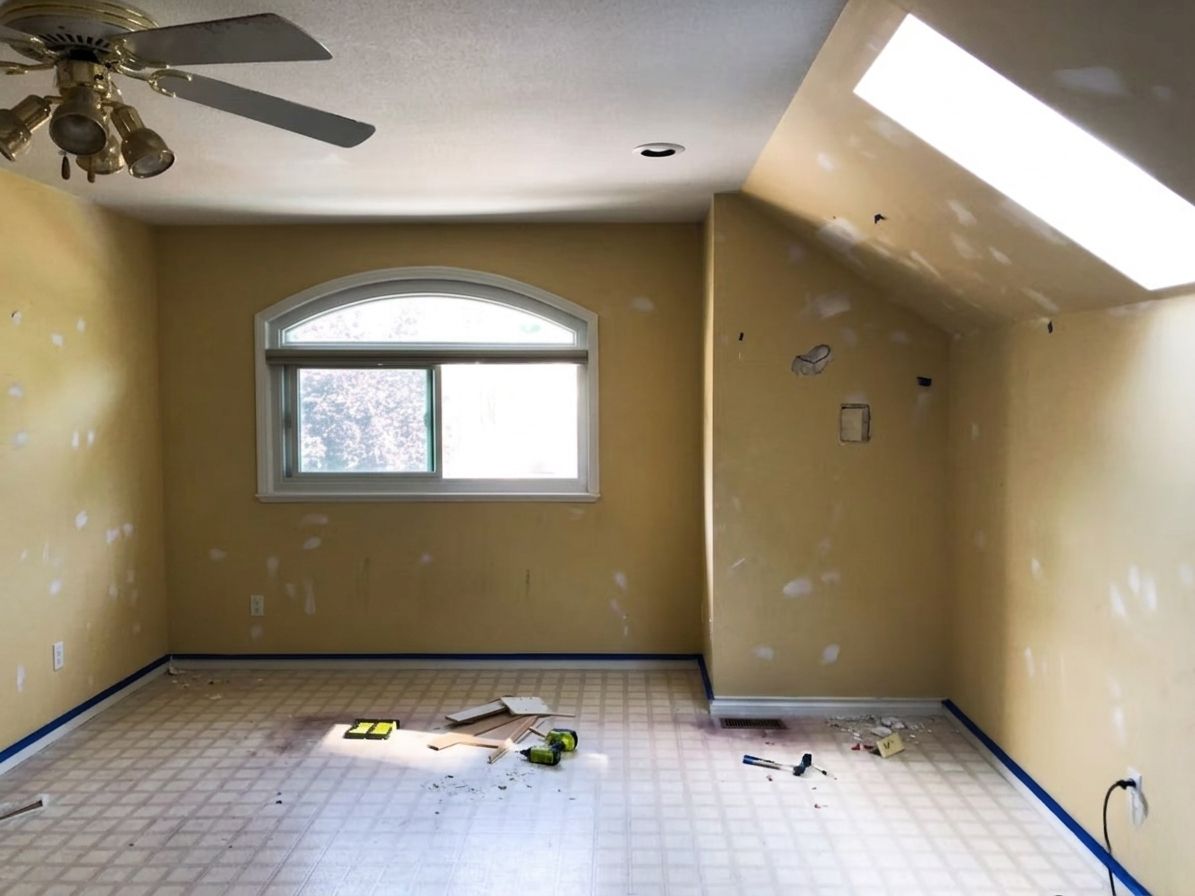
Before painting starts, surfaces are carefully reviewed to identify areas that may require additional attention. Peeling paint, minor damage, previous coatings and surface imperfections can all affect the final result. Addressing these details early helps create a stronger foundation for the work ahead.
Preparation is often the most time consuming stage of a painting project, but it plays a major role in the finished appearance. Cleaning, sanding, filling and protecting surrounding areas are completed as required. Proper preparation helps improve paint adhesion and contributes to a smoother, more uniform finish.
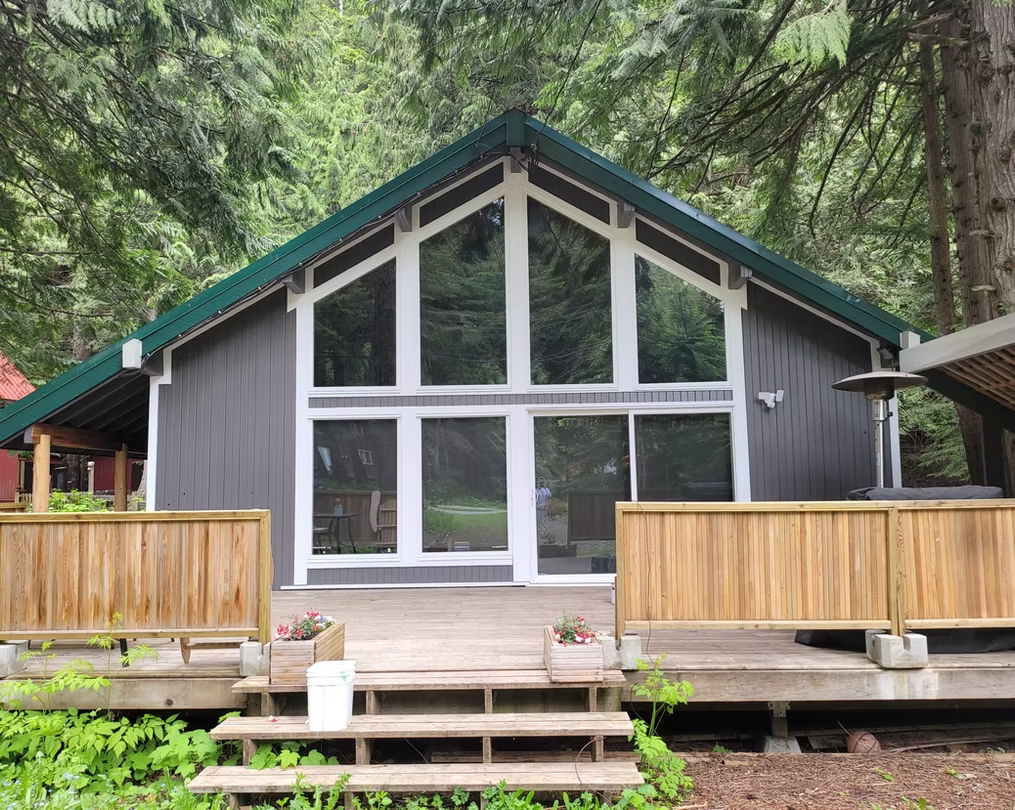
Once surfaces are ready, paint is applied using products suited to the space and intended use of the area. Coverage, consistency and finish quality are monitored throughout the project. Depending on the scope of work, multiple coats may be required to achieve the desired appearance.
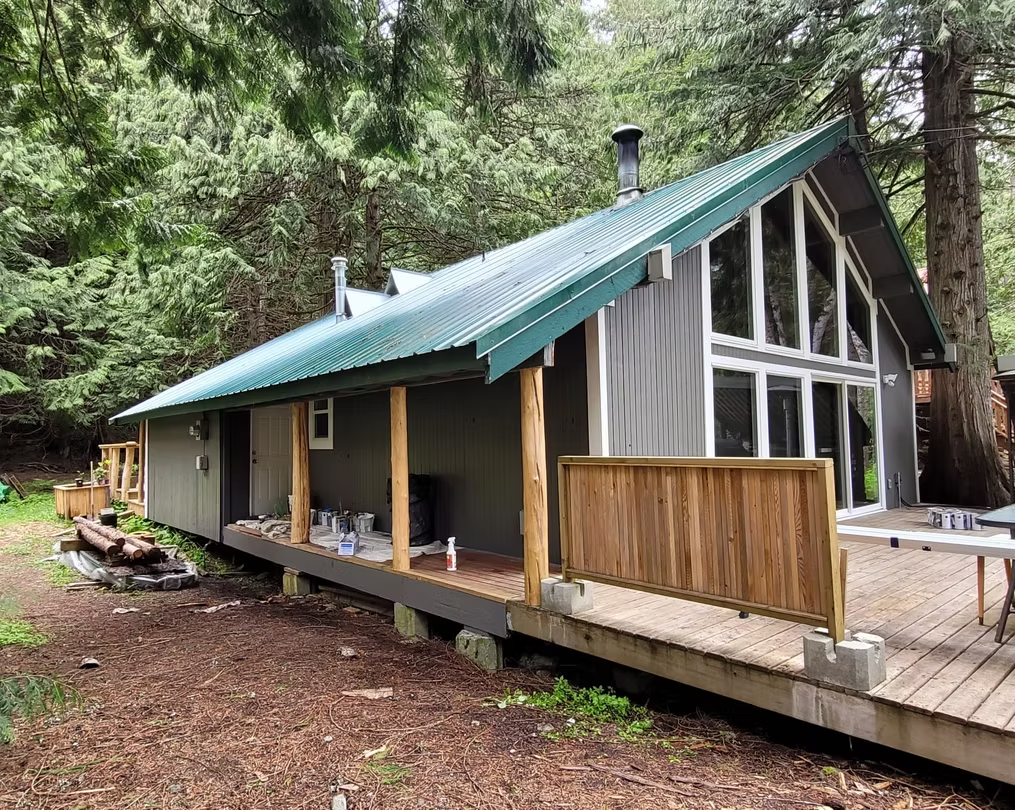
Throughout the painting process, completed areas are reviewed to maintain consistency and identify anything requiring further attention. This stage helps ensure details are addressed as work progresses rather than waiting until the end of the project.
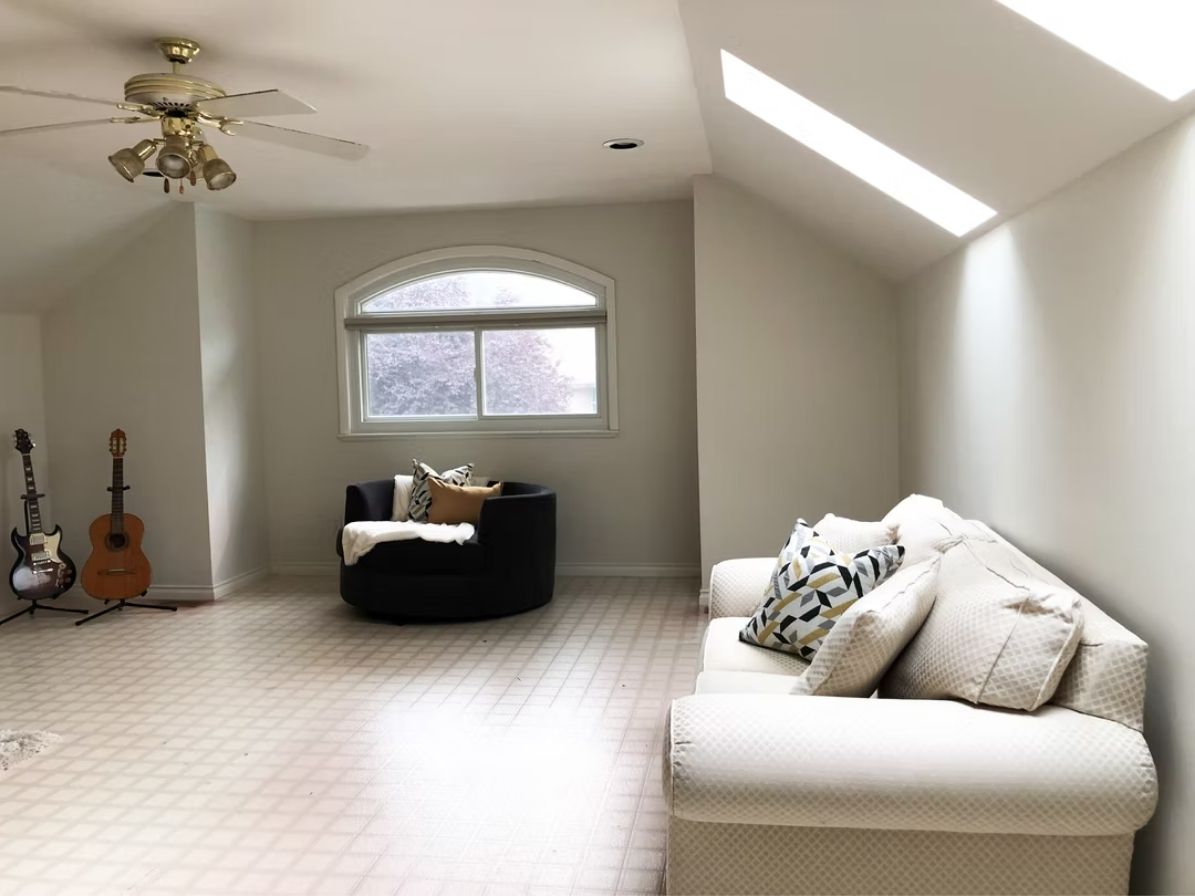
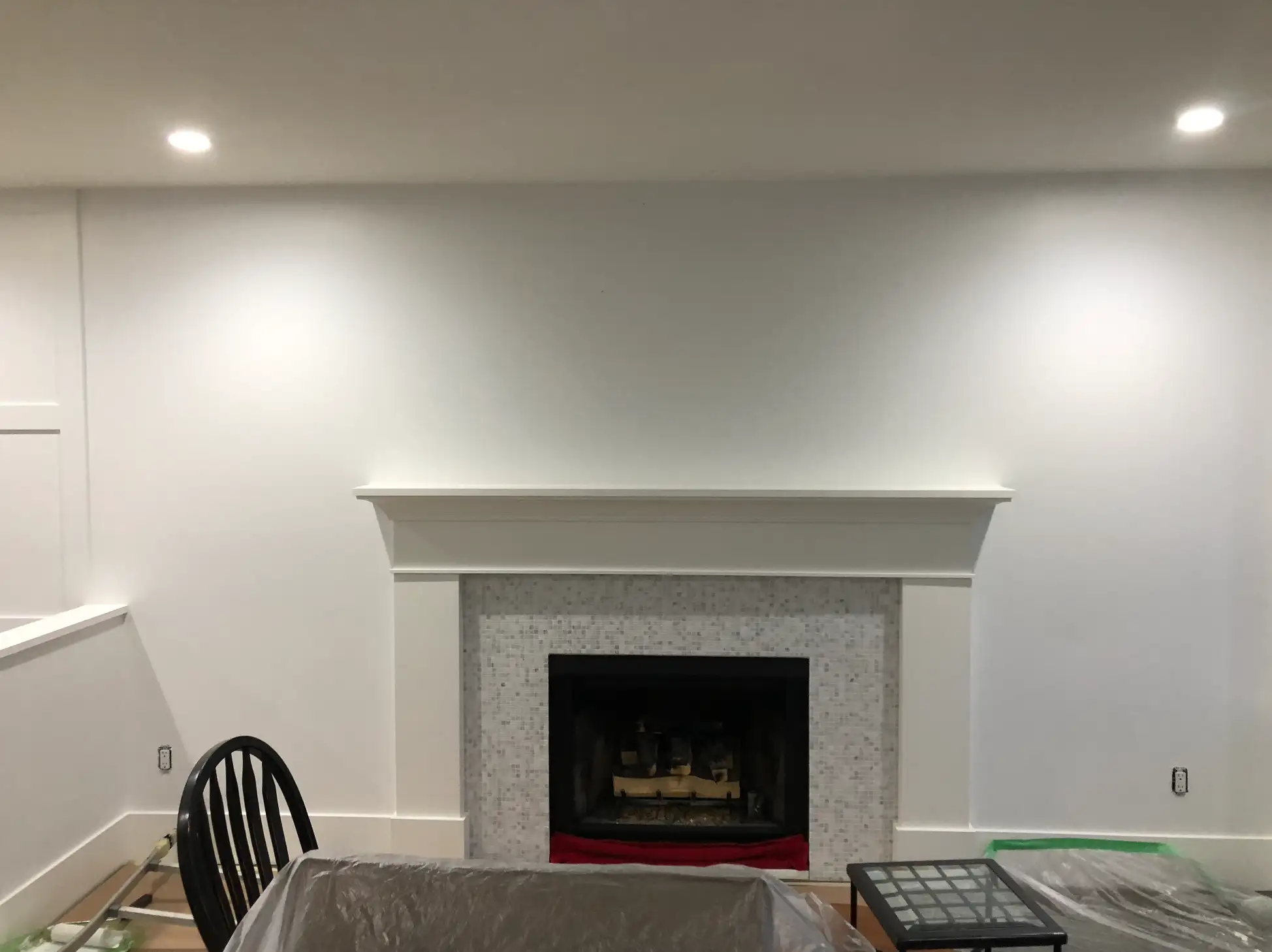
Following completion, work areas are cleaned and protective materials are removed. Final touch ups are completed where necessary, and painted surfaces are reviewed to ensure the project is ready for use. Attention to these final details helps deliver a clean and professional presentation.