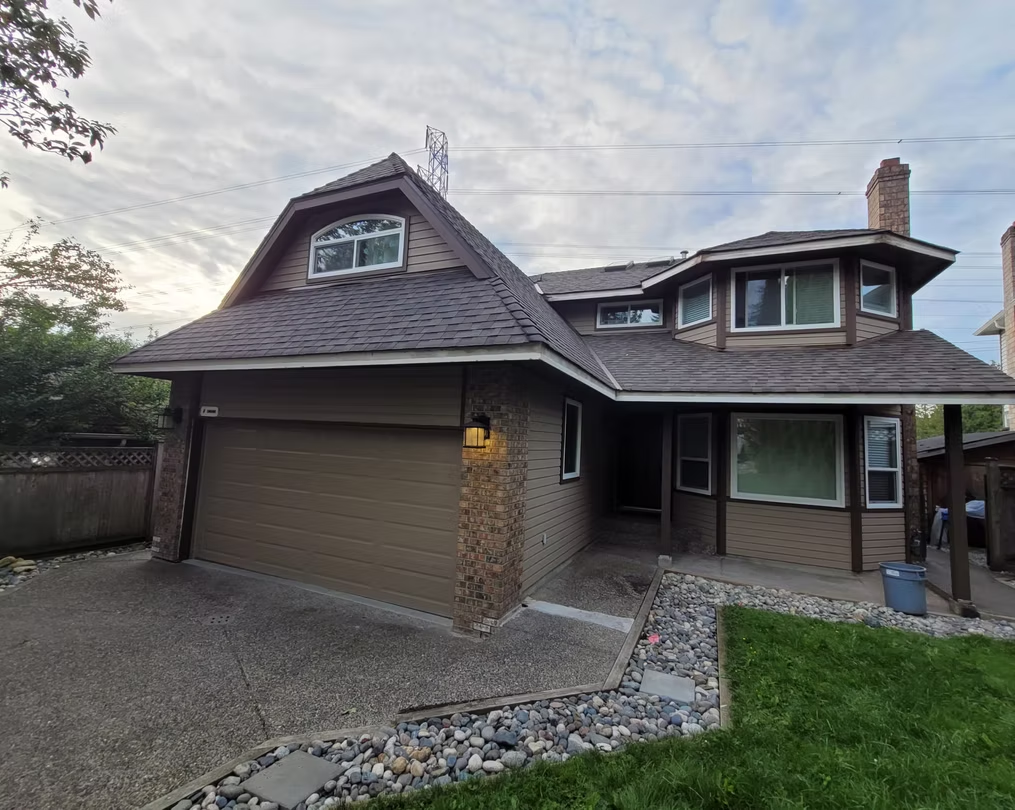
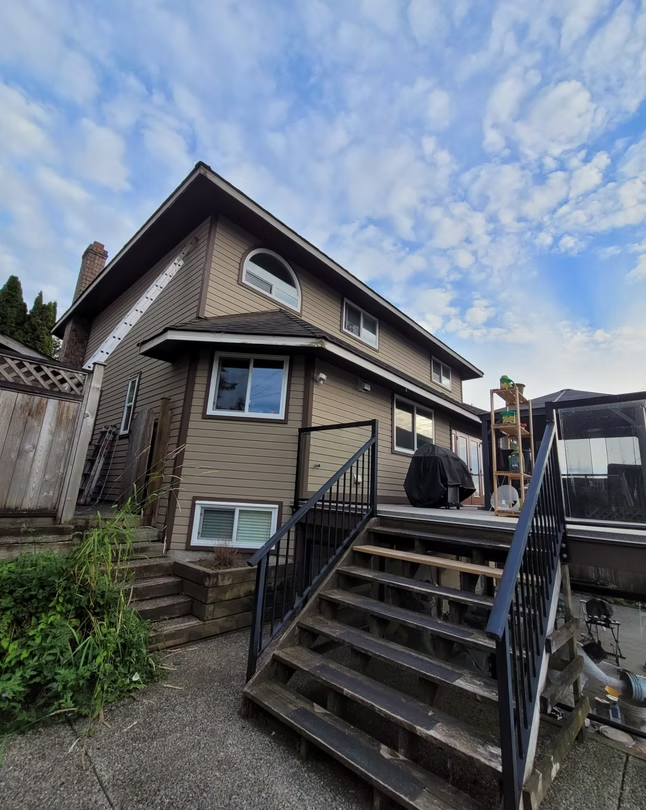
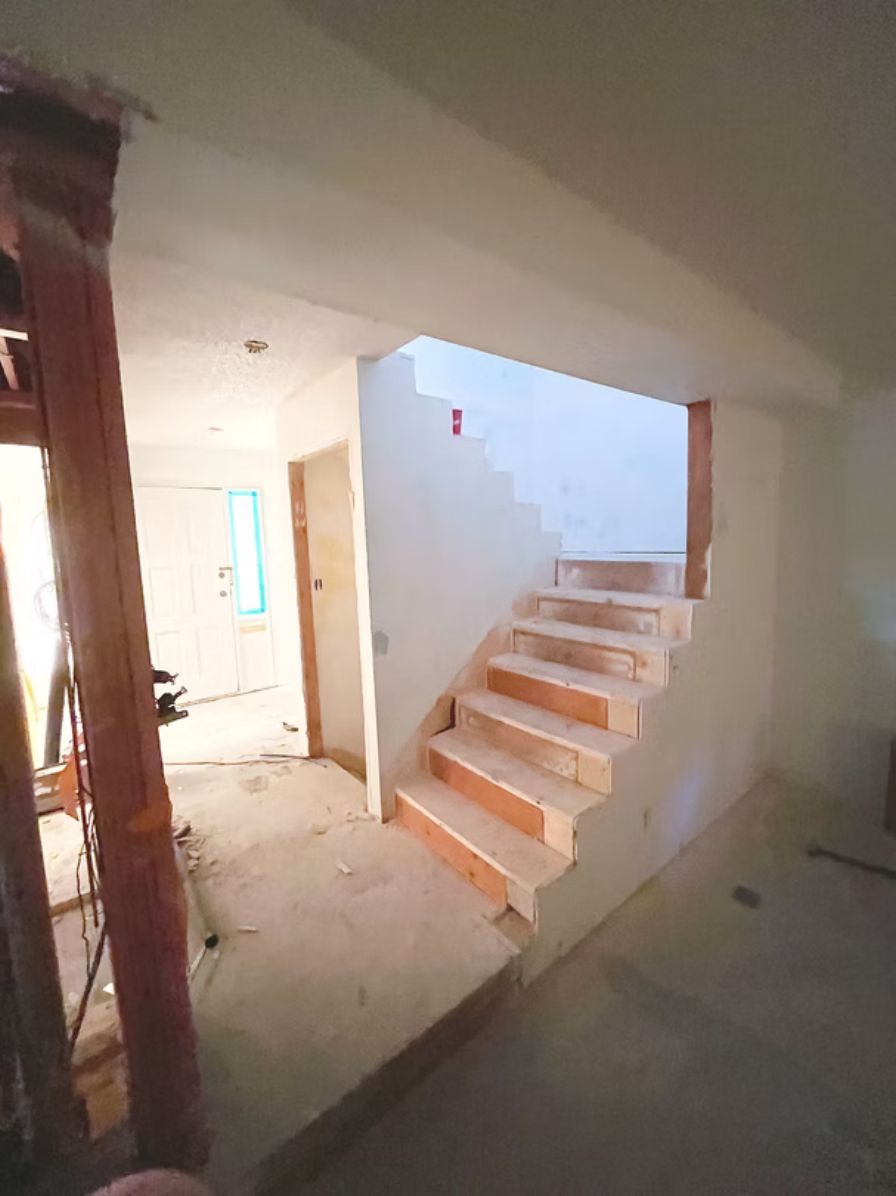
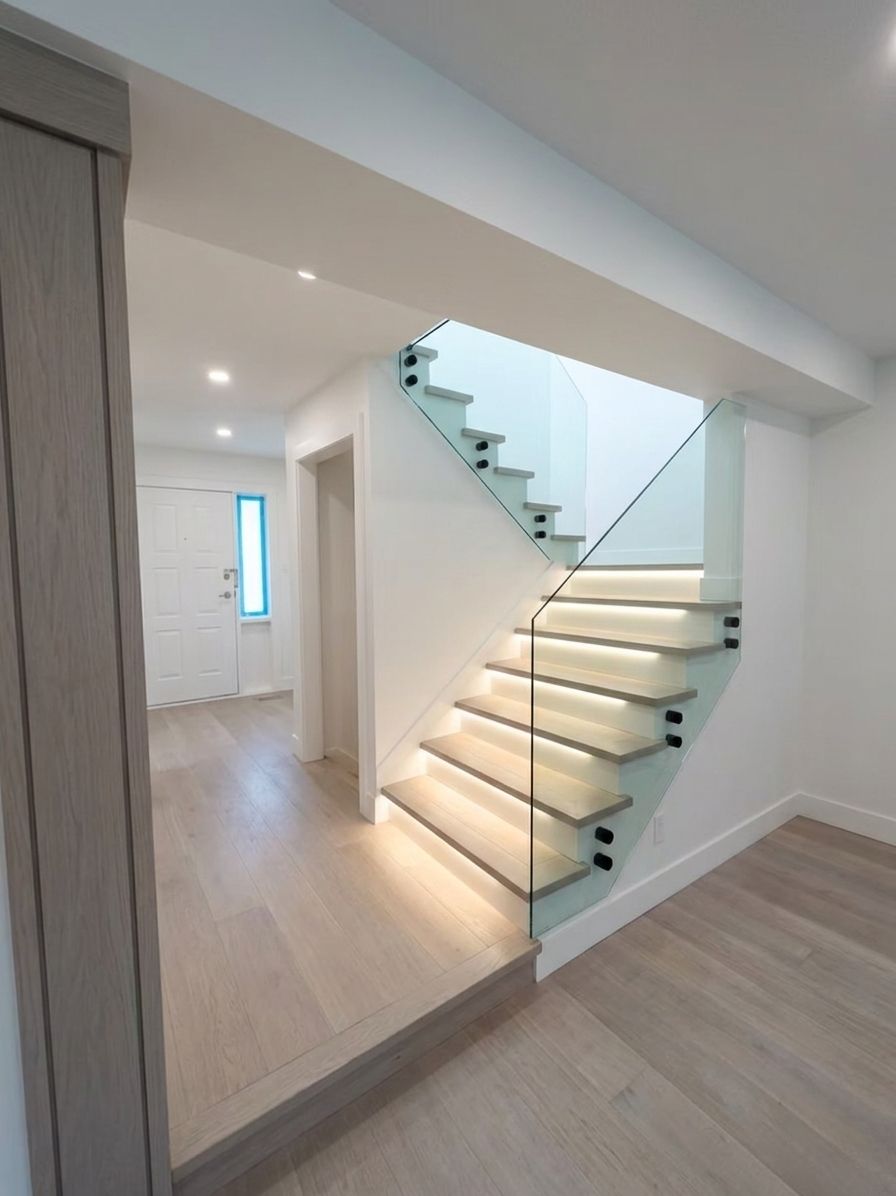
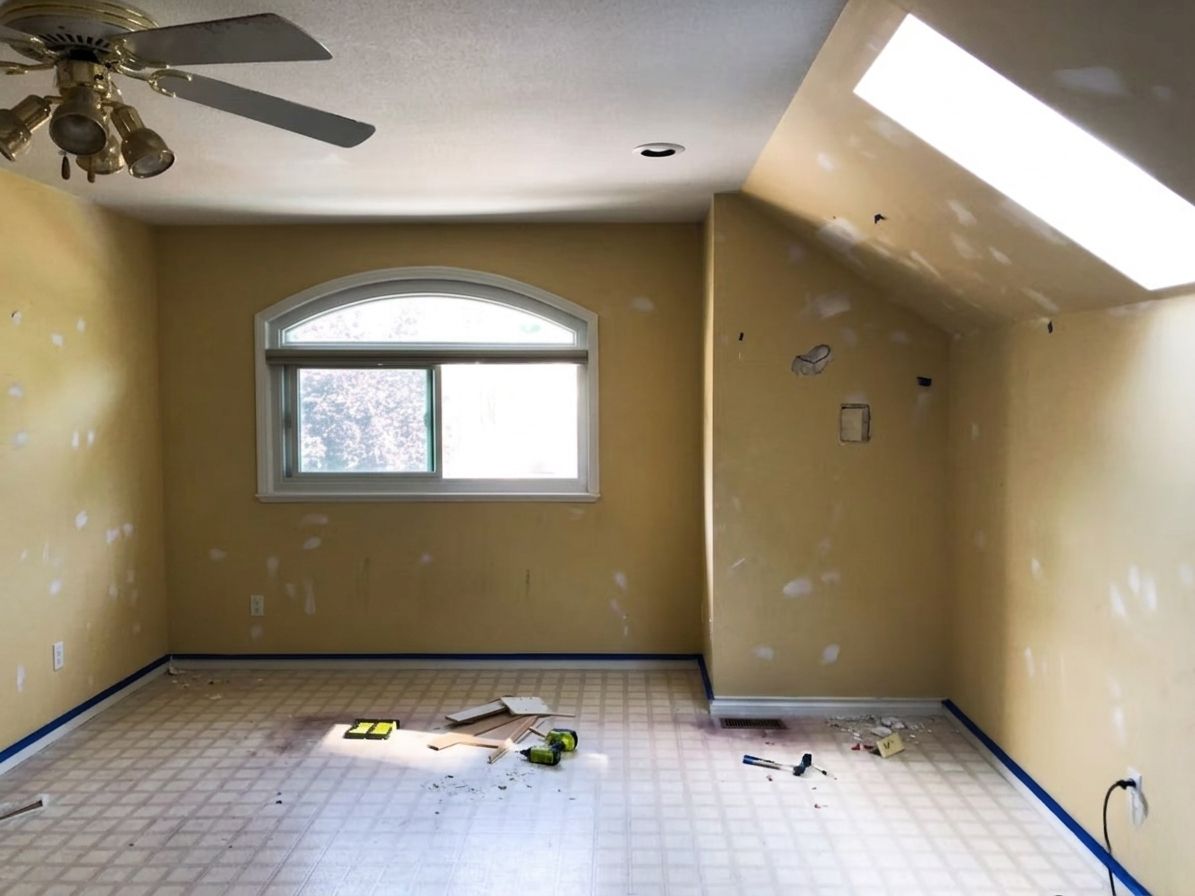
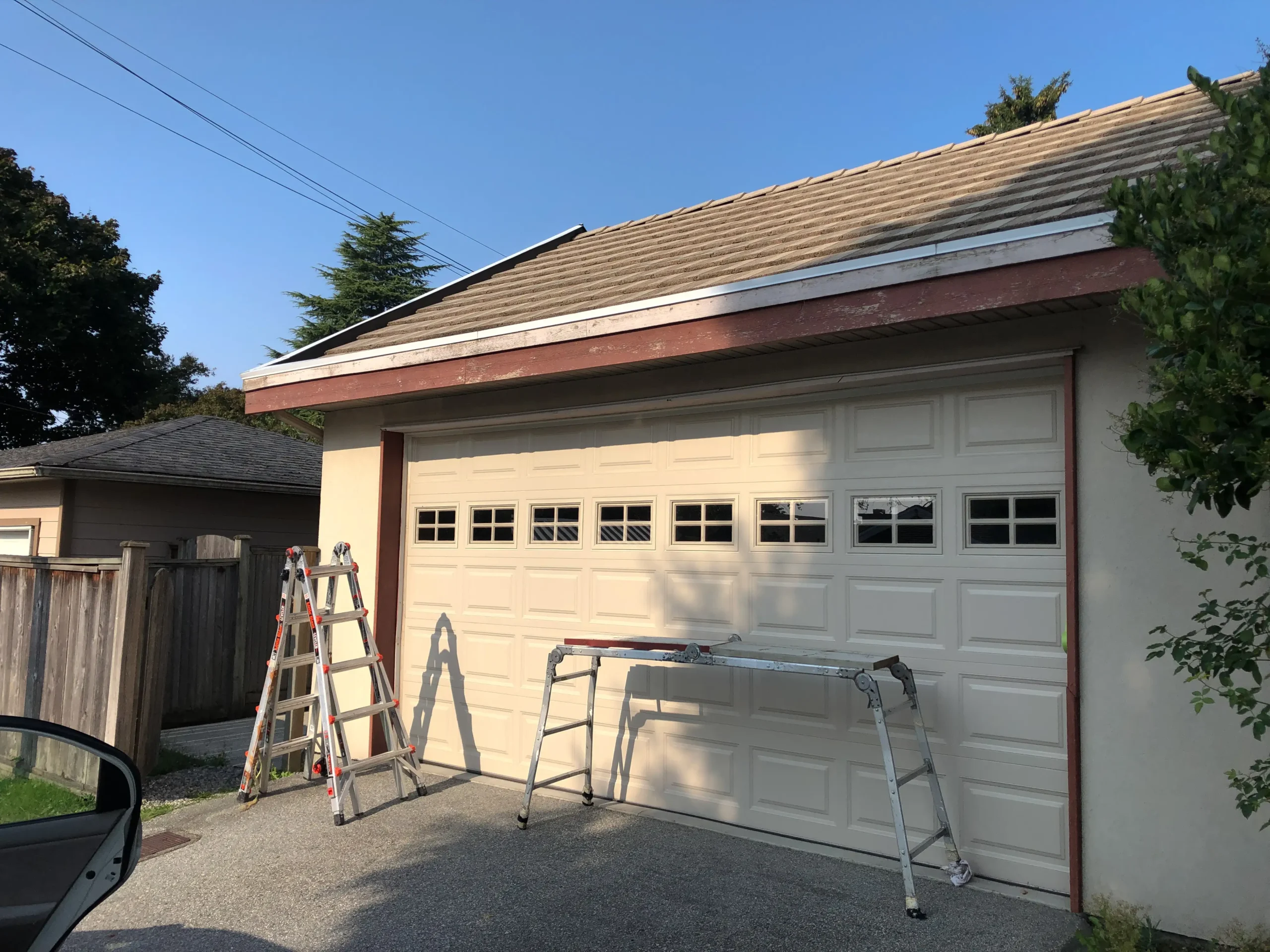
Before painting begins, inspect walls, ceilings, trim, siding and other surfaces for peeling coatings, cracks, stains, damaged drywall, deteriorated wood and failed caulking. Identifying these conditions early helps determine the preparation and repair work required before new paint is applied.
Preparation can include cleaning, sanding, scraping, patching, caulking and minor repairs. Exterior surfaces may also require pressure washing to remove dirt, mildew and other buildup. A properly prepared surface gives the new coating a better foundation and can improve coverage and adhesion.
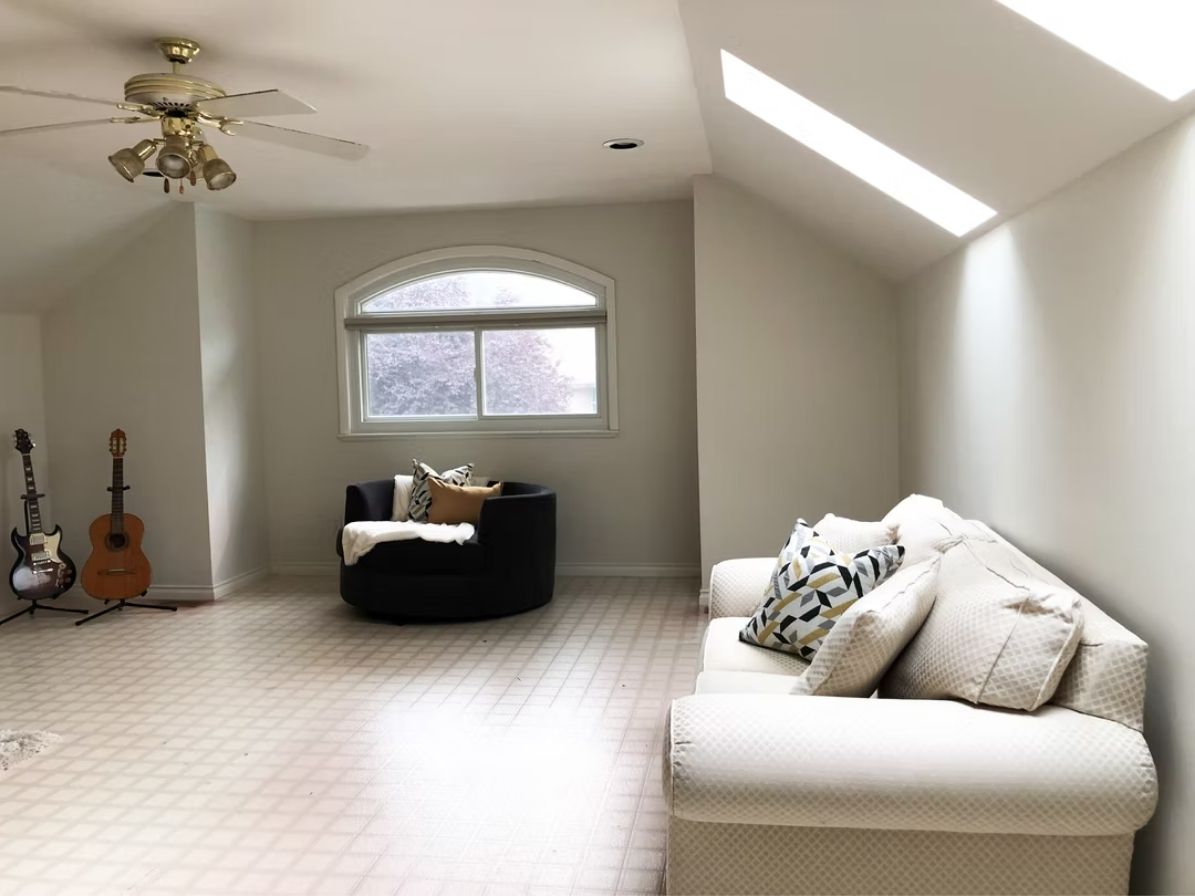
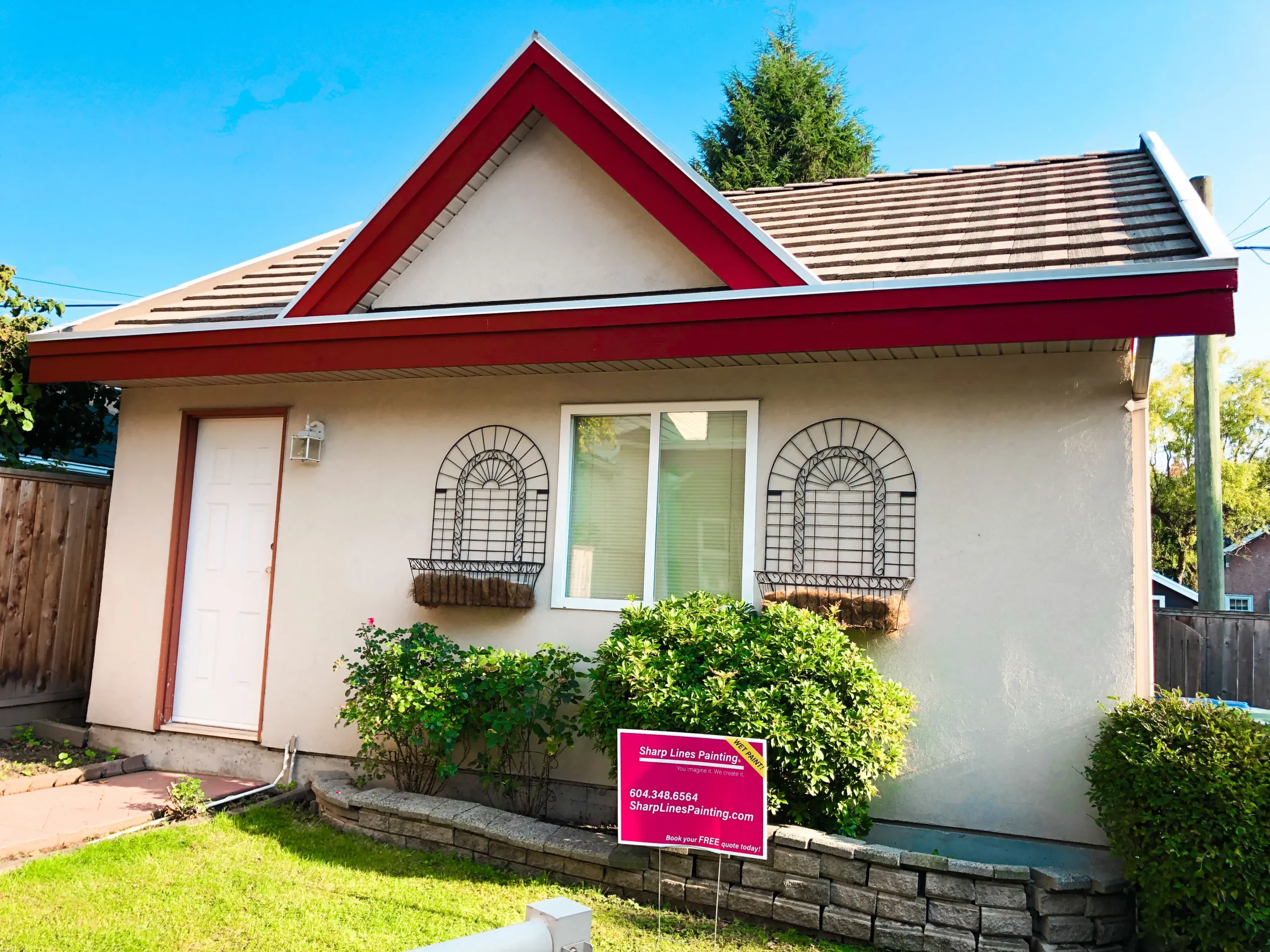
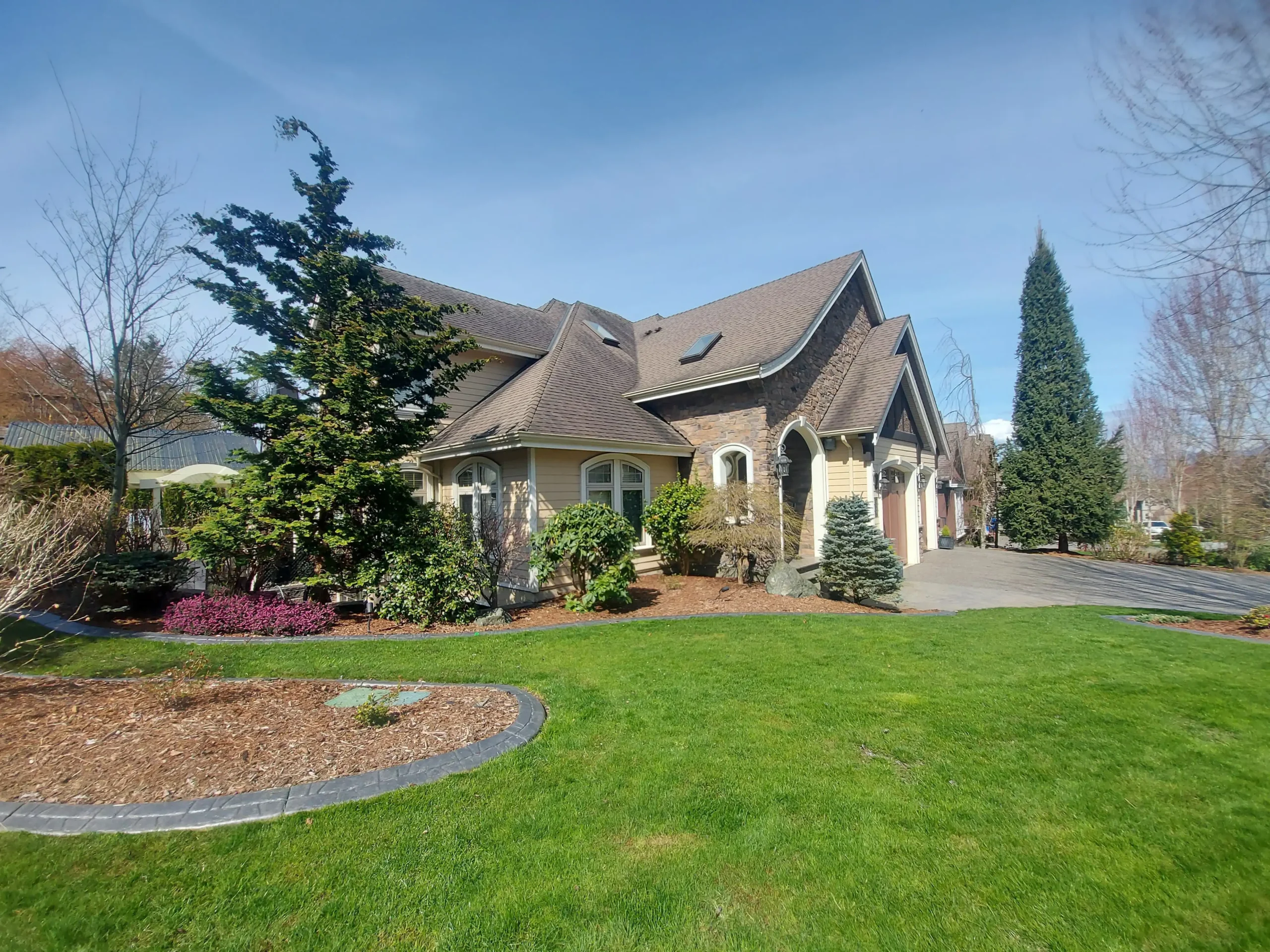
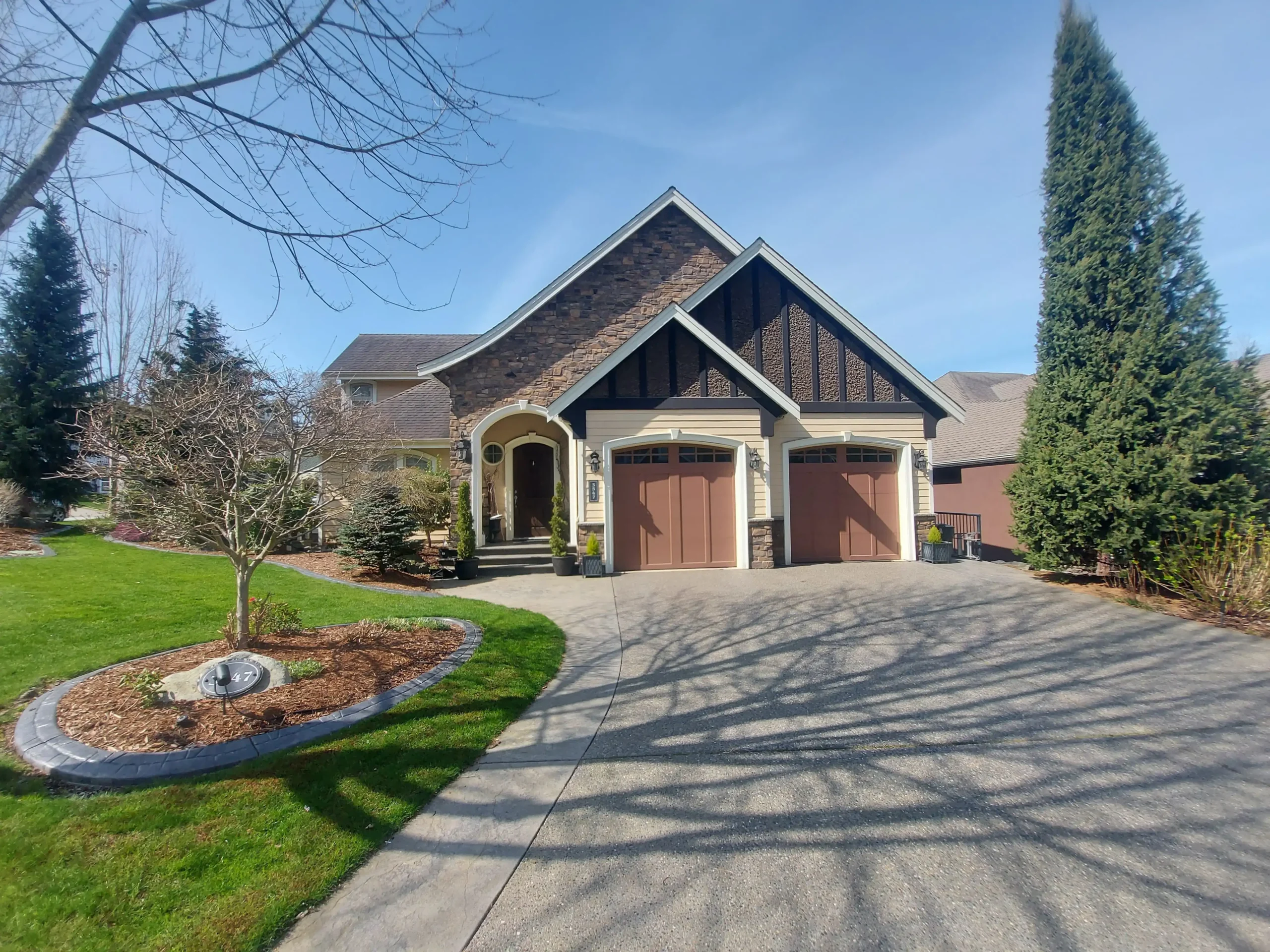
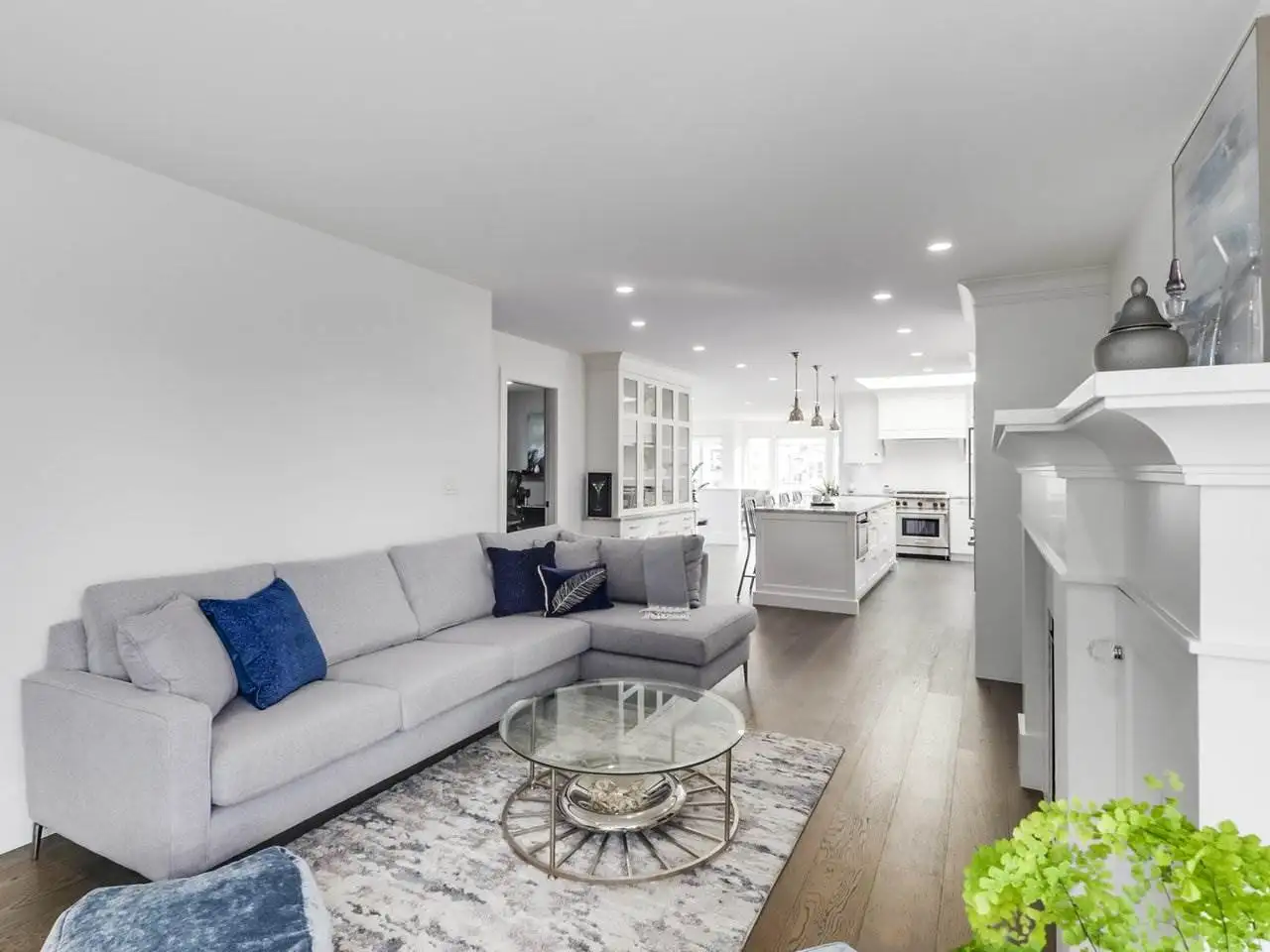
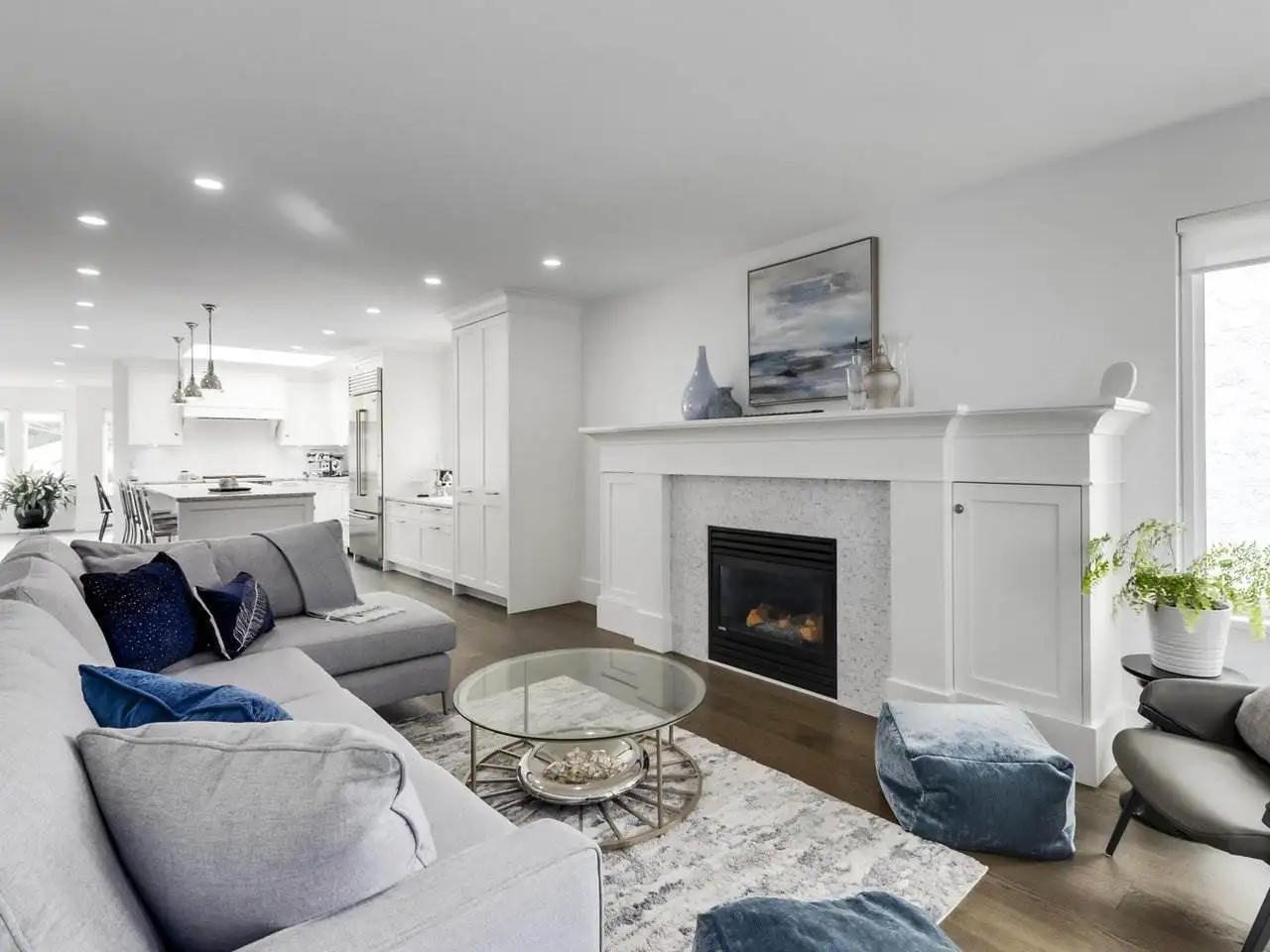
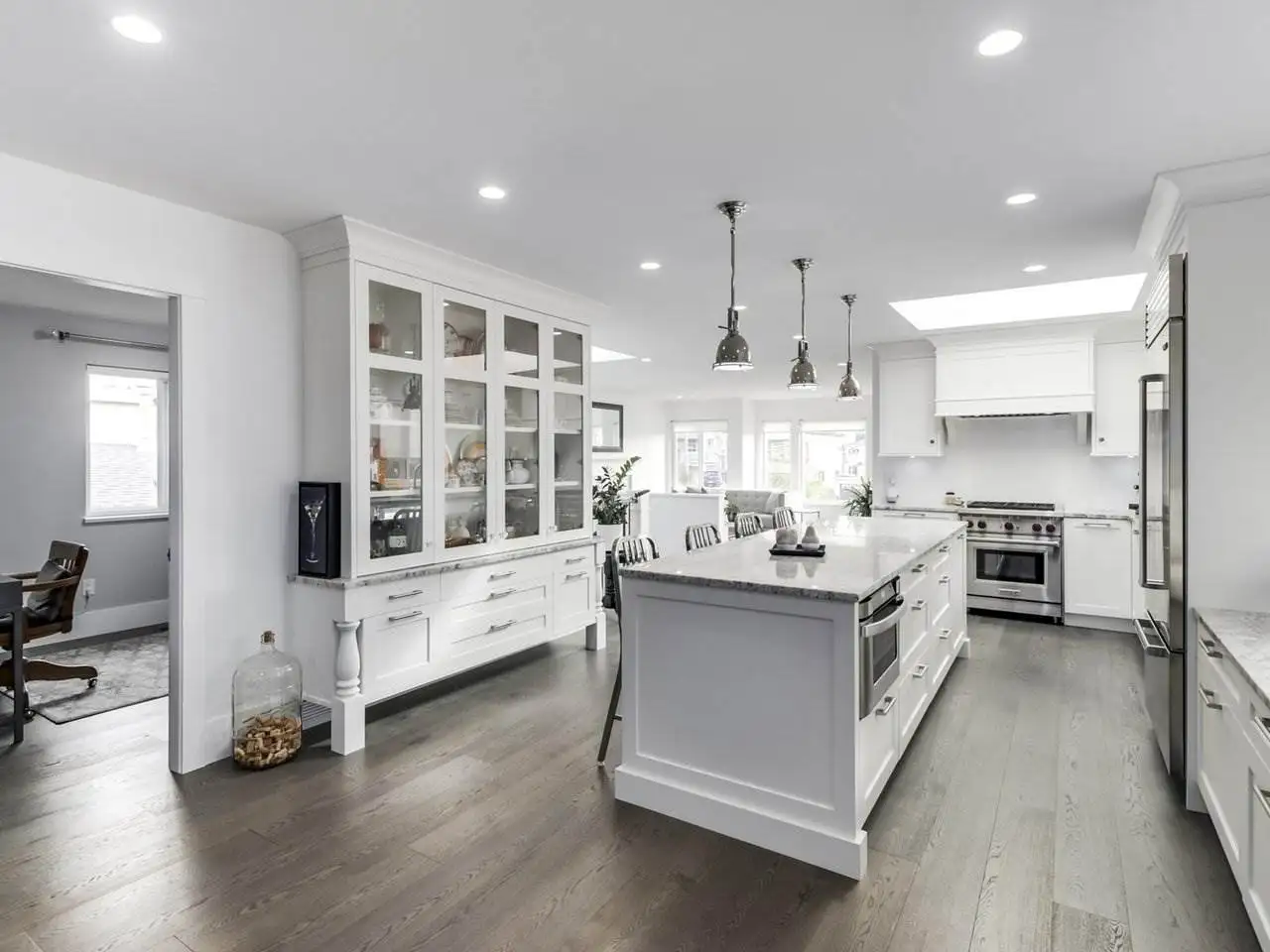
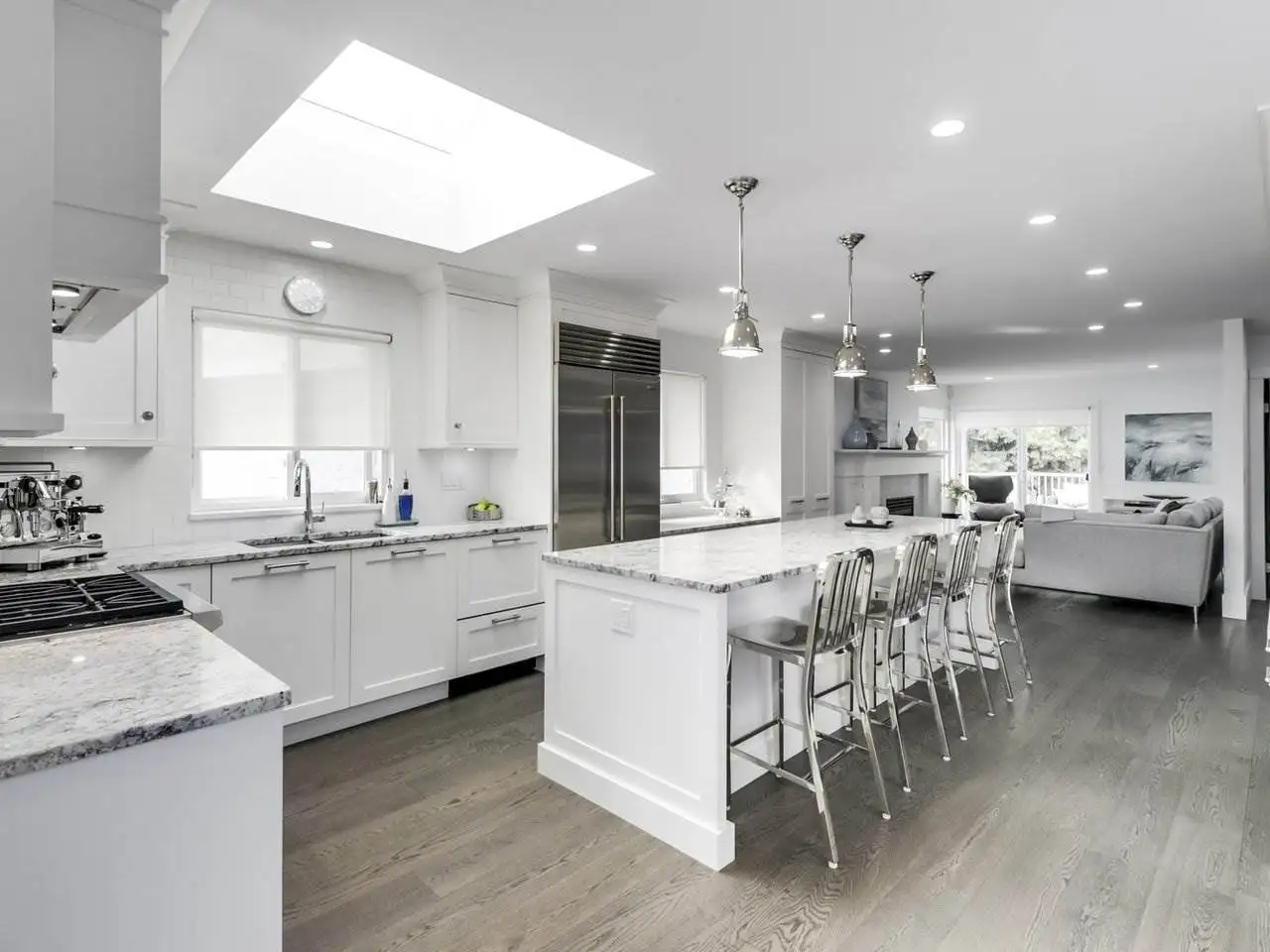
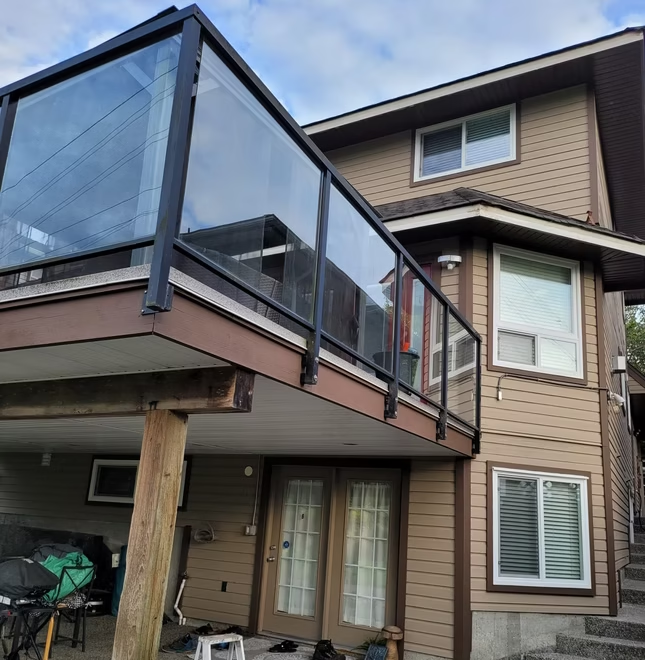
Consider existing flooring, cabinetry, countertops, furniture and natural lighting when selecting colours. Testing samples in the actual room can help you see how a colour changes throughout the day. For exterior projects, consider the relationship between siding, trim, doors, roofing and surrounding landscaping.
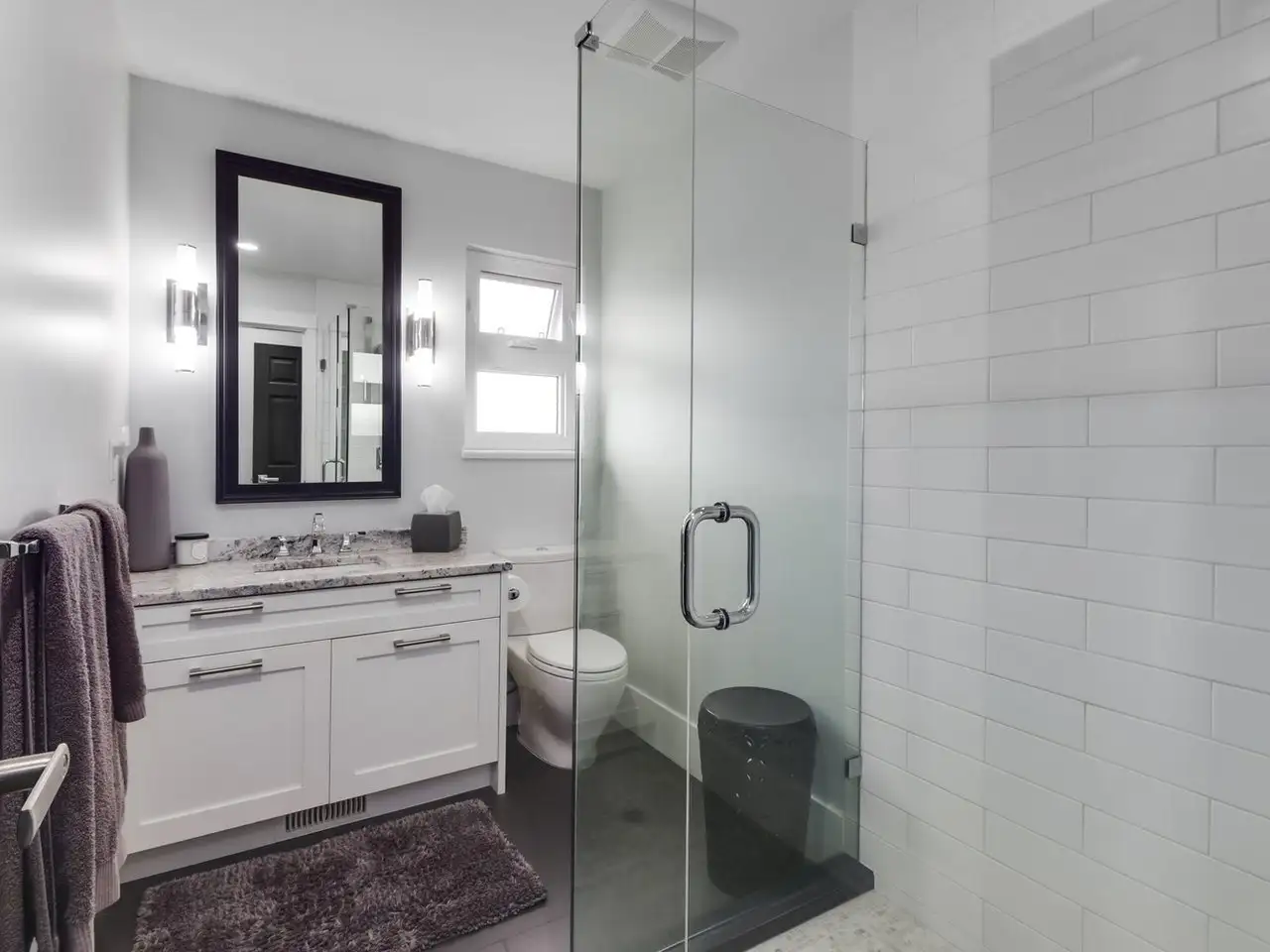
Different surfaces and rooms may benefit from different paint finishes. Kitchens, bathrooms, hallways and entryways often need finishes that can handle regular cleaning, while trim and cabinetry may require another sheen. Exterior products should be selected according to the surface material and exposure.
Furniture, flooring, fixtures and countertops should be protected before interior painting begins. Exterior projects may require protection for walkways, landscaping and nearby structures. Proper preparation of the work area helps reduce accidental paint transfer and allows the painting crew to work efficiently.
A detailed estimate should identify the areas being painted, preparation, repairs, materials, labour, number of coats, timeline and cleanup. Review any exclusions or additional work that could change the final cost. Comparing complete project scopes makes it easier to evaluate different painting contractors fairly.