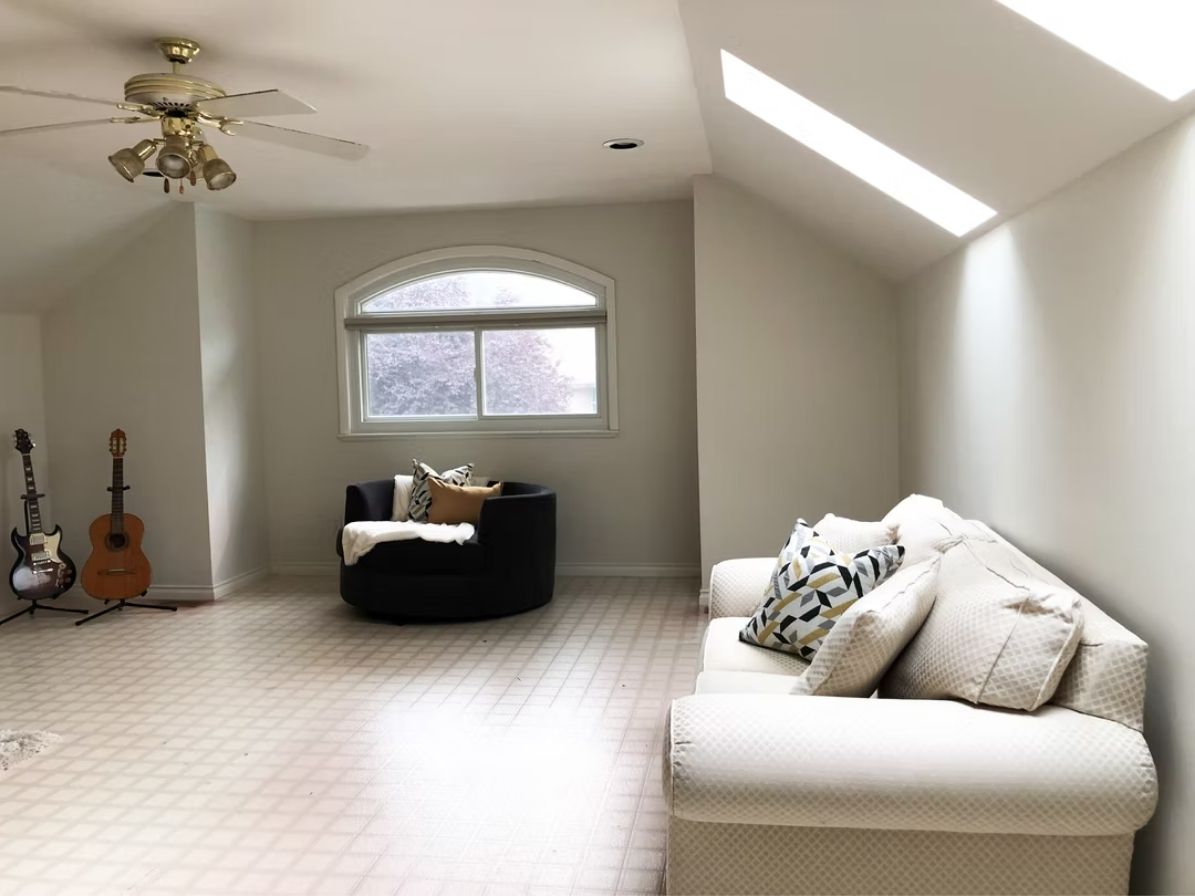
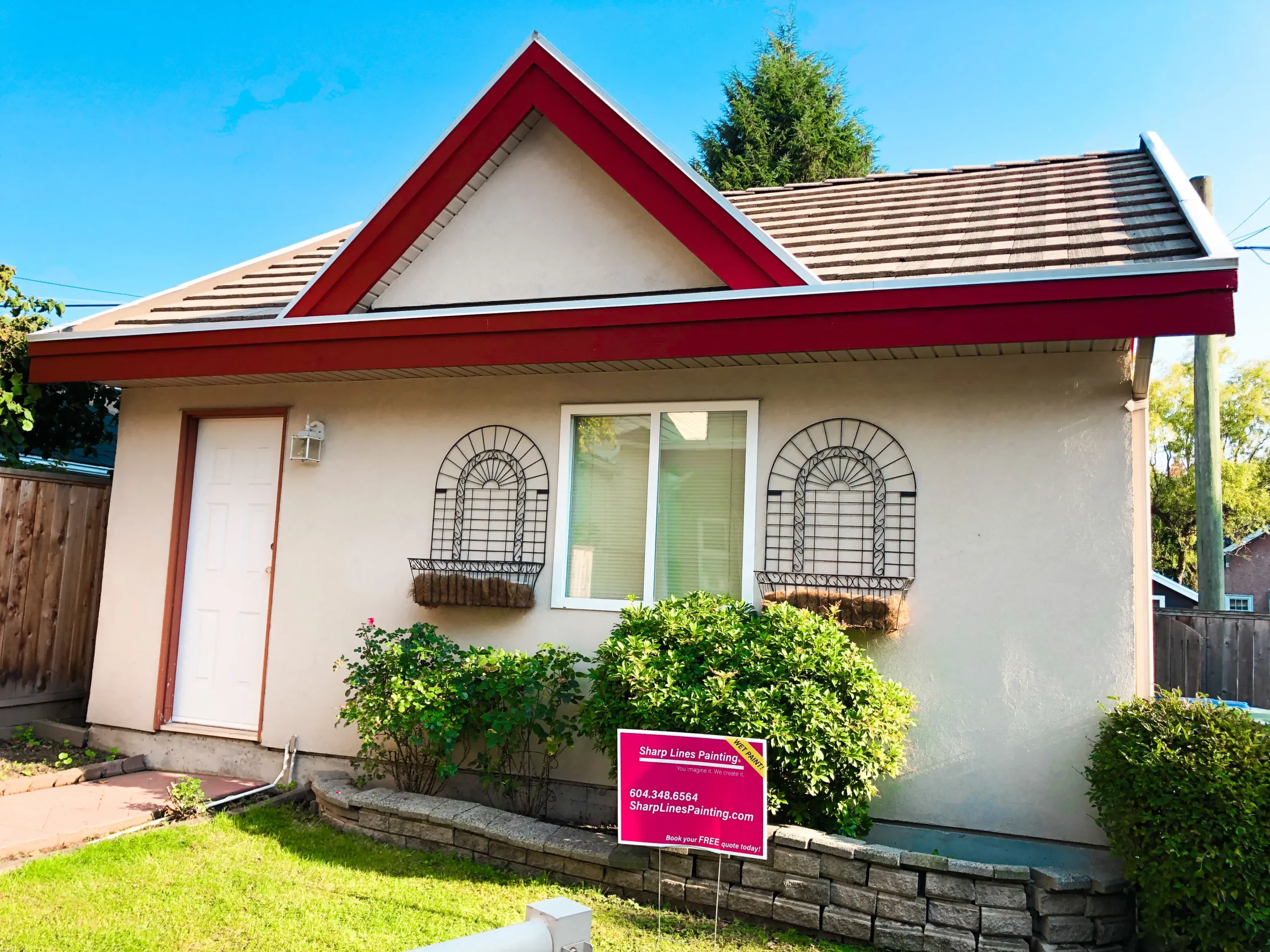
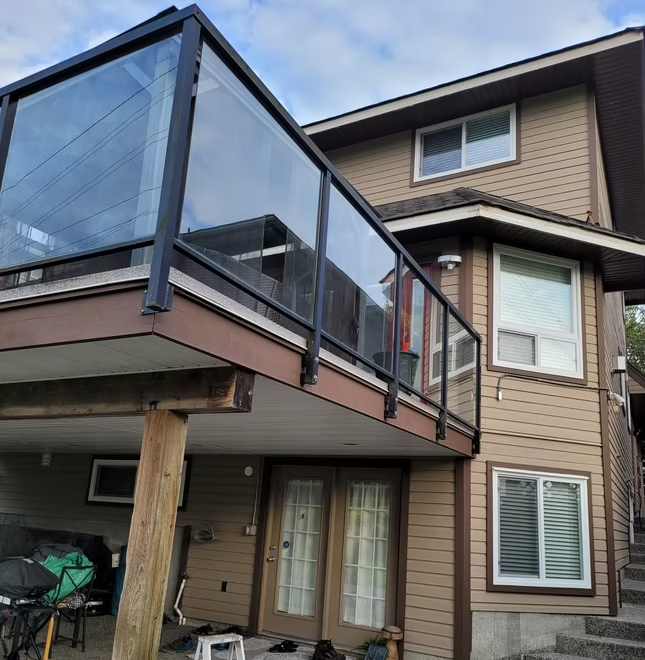
A clear project scope should identify every room, exterior surface or specialty area included in the painting work. It should also note preparation, repairs, number of coats, paint products, trim and cleanup. Defining these details before work begins makes it easier to understand the estimate and prevents important preparation tasks from being overlooked.
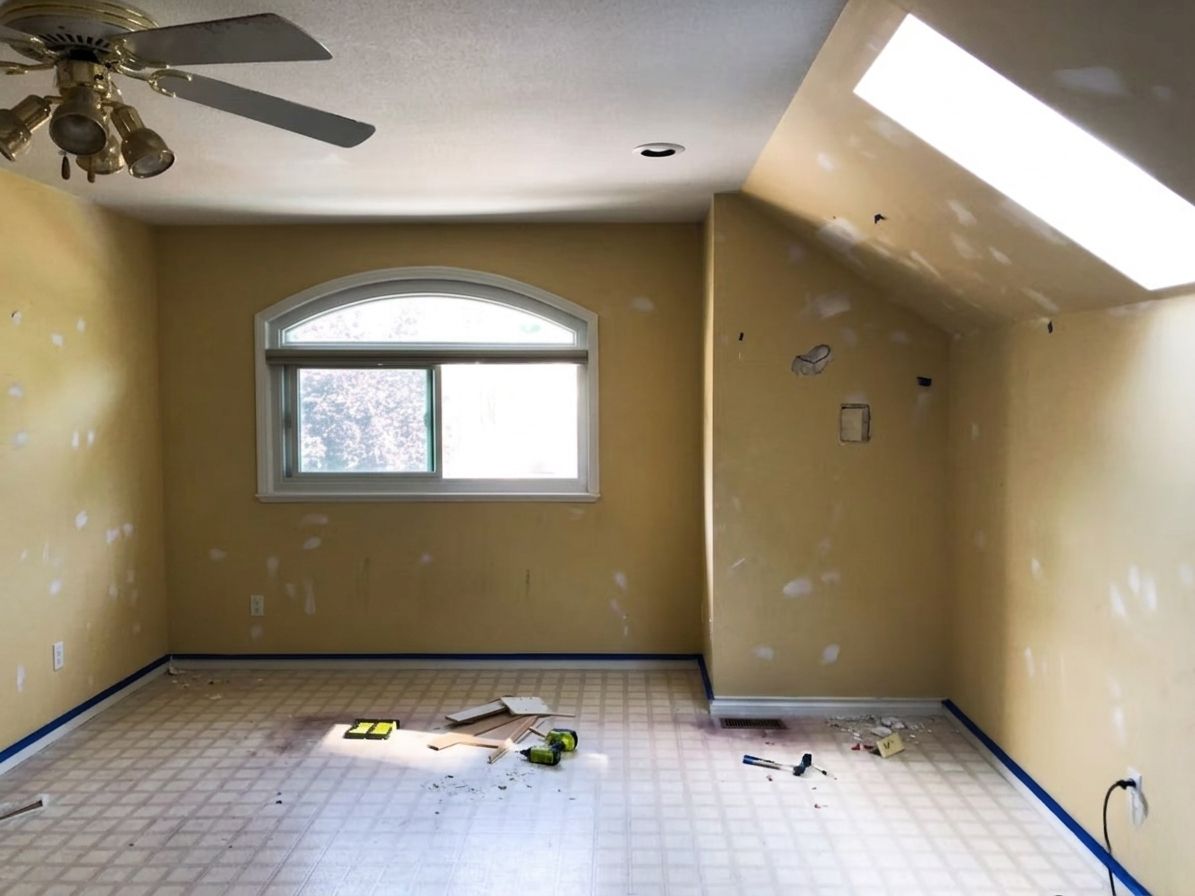
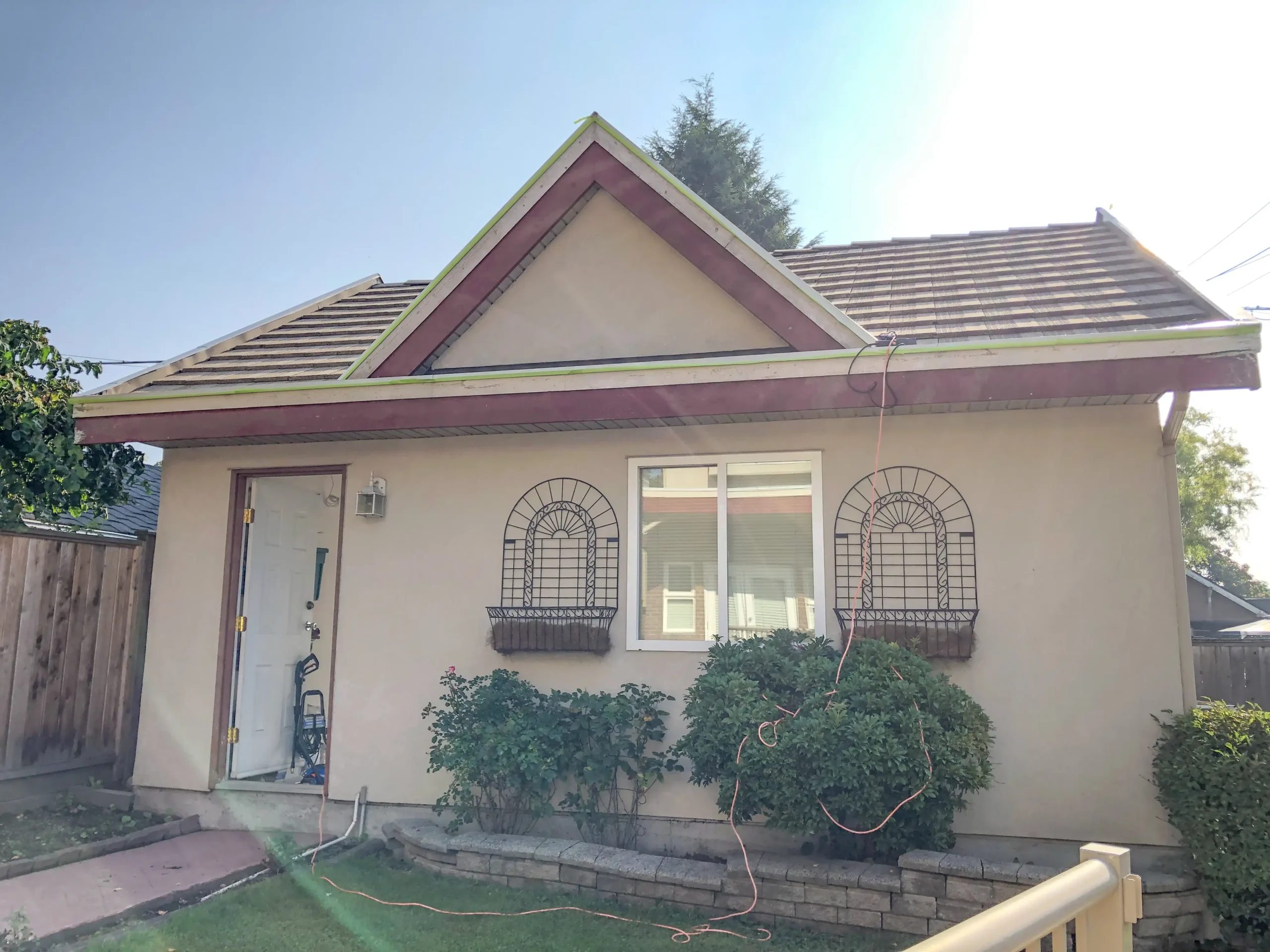
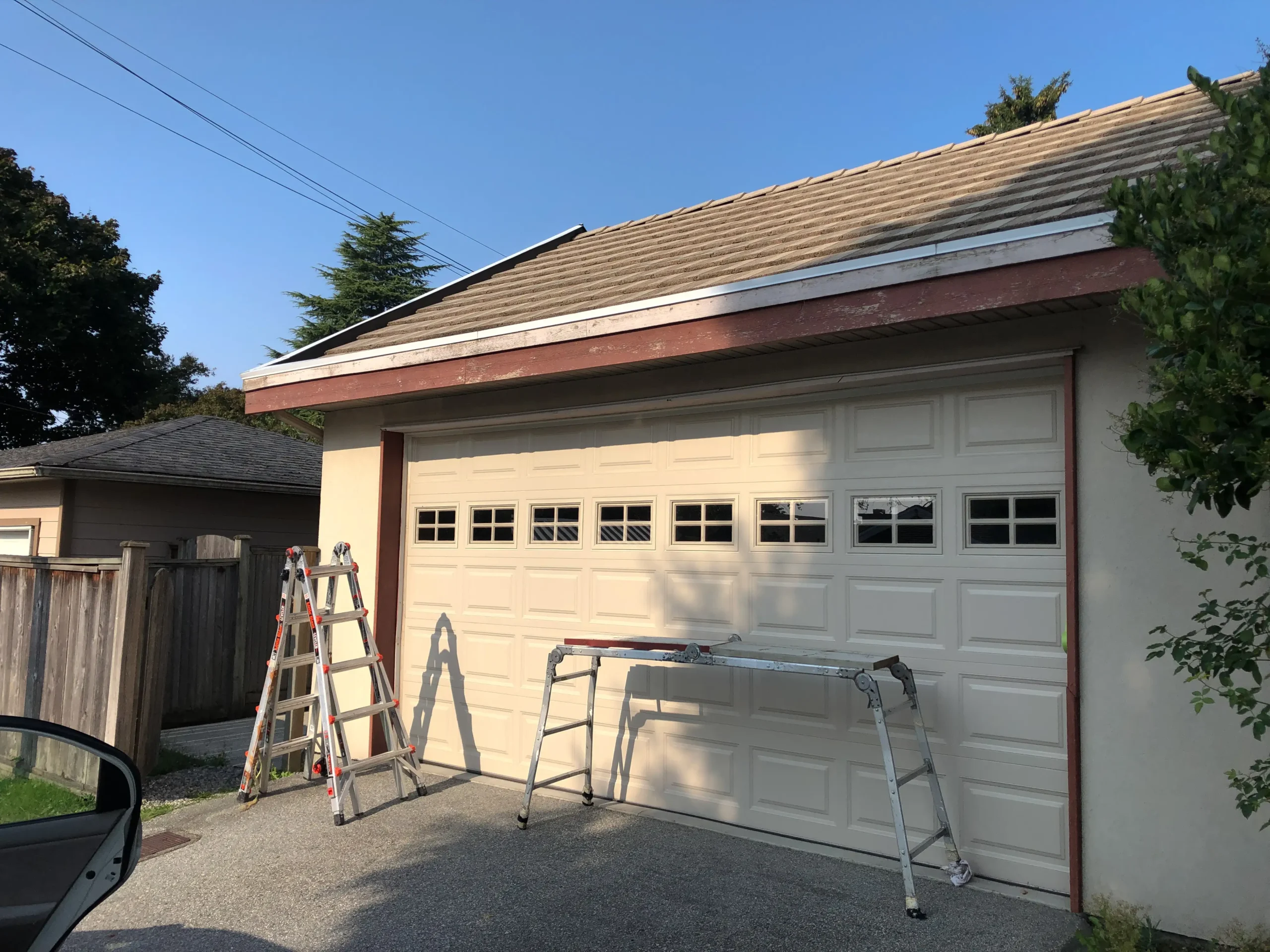
Existing surface condition can significantly affect a painting project's preparation and cost. Peeling paint, stains, cracks, holes, damaged drywall, deteriorated wood and failed caulking may need attention before new paint is applied. A professional assessment helps determine whether a surface needs simple cleaning and sanding or more extensive repairs before finishing.
Paint should be selected according to the surface, location and expected wear. Interior walls, cabinets, trim, exterior siding, decks and concrete floors can require different coating systems. Choosing the appropriate product can improve adhesion, cleanability and durability. Your painting contractor can recommend suitable options based on the property's surfaces and intended use.
Access can affect how efficiently a painting project is completed, particularly in occupied homes, rental properties and commercial spaces. Furniture, stored belongings, vehicles and outdoor items may need to be moved or protected. Discussing access requirements before the project starts allows the contractor to plan the work area and avoid unnecessary delays.
Painting should not be used as a substitute for repairing significant surface damage. Rotten wood, damaged drywall, open joints and moisture-related problems should be assessed before coating. Minor repairs may be included within preparation, while larger issues may require additional work. Addressing the underlying condition helps protect the appearance of the new finish.
Professional painting should include a clear approach to protecting surrounding areas and cleaning the workspace after application. Floors, furniture, fixtures and landscaping may need protection during the project. Once painting is complete, removing coverings, collecting debris and leaving the work area orderly helps ensure the project is properly finished rather than simply stopping after the final coat.