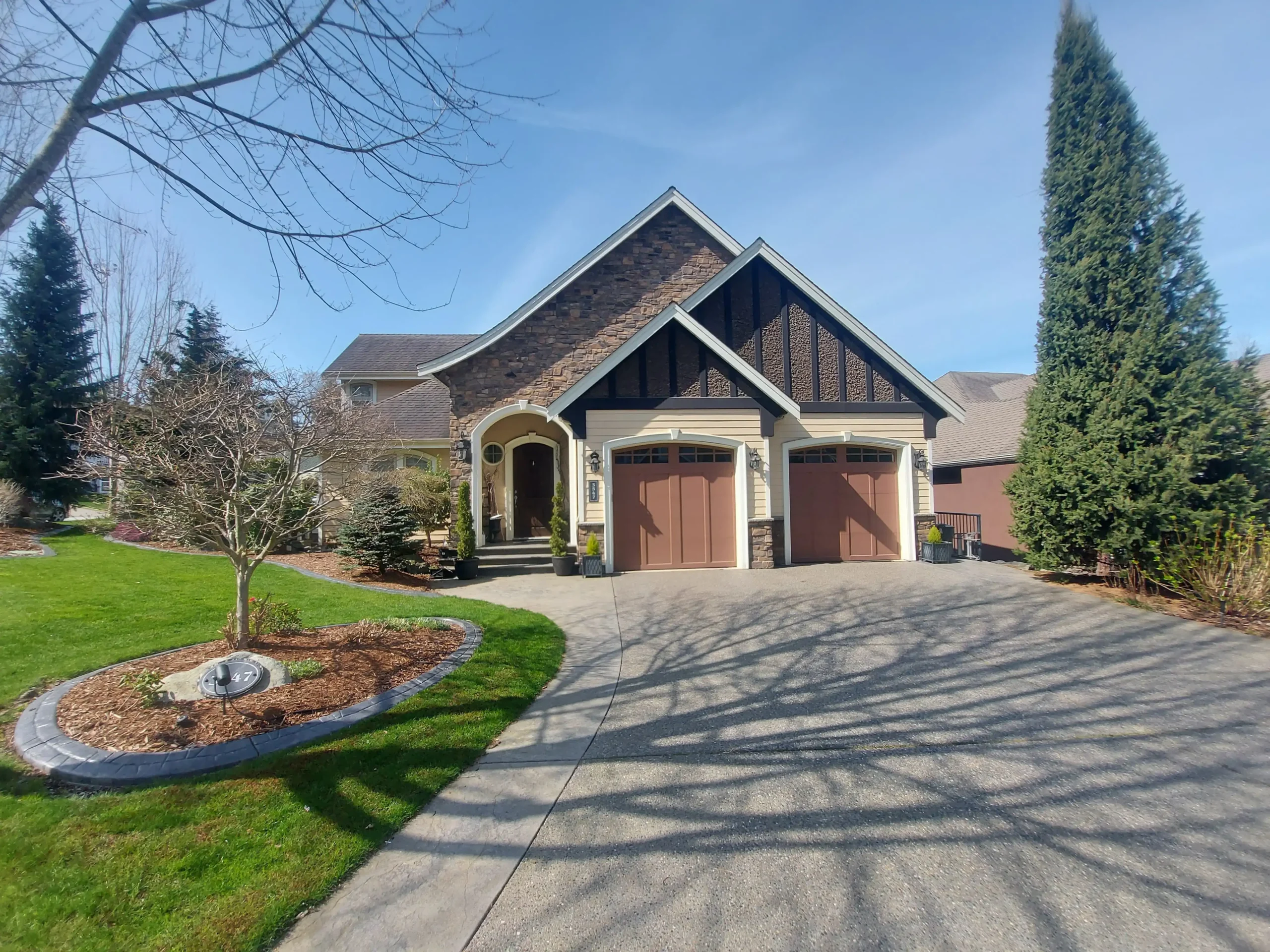
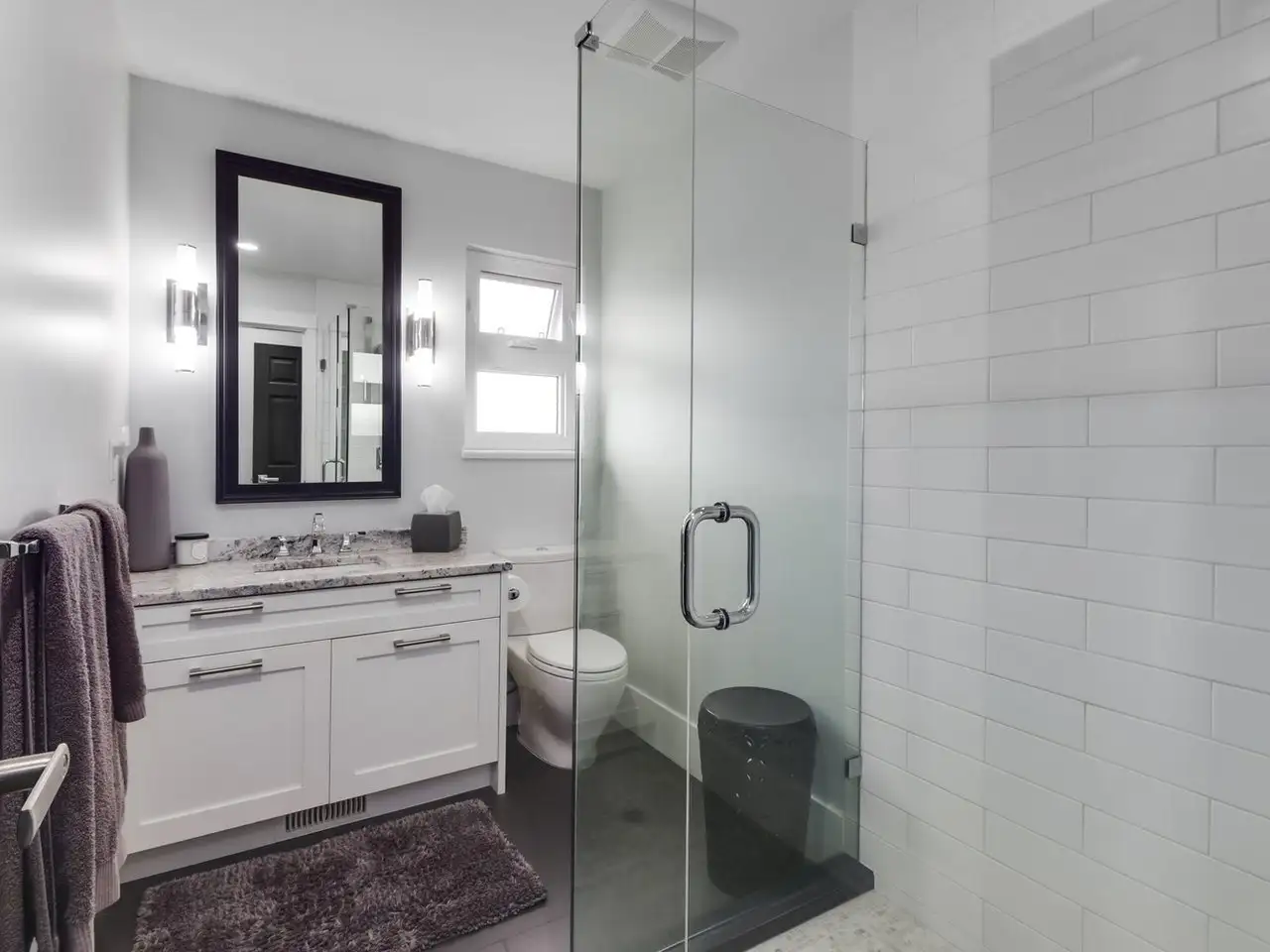
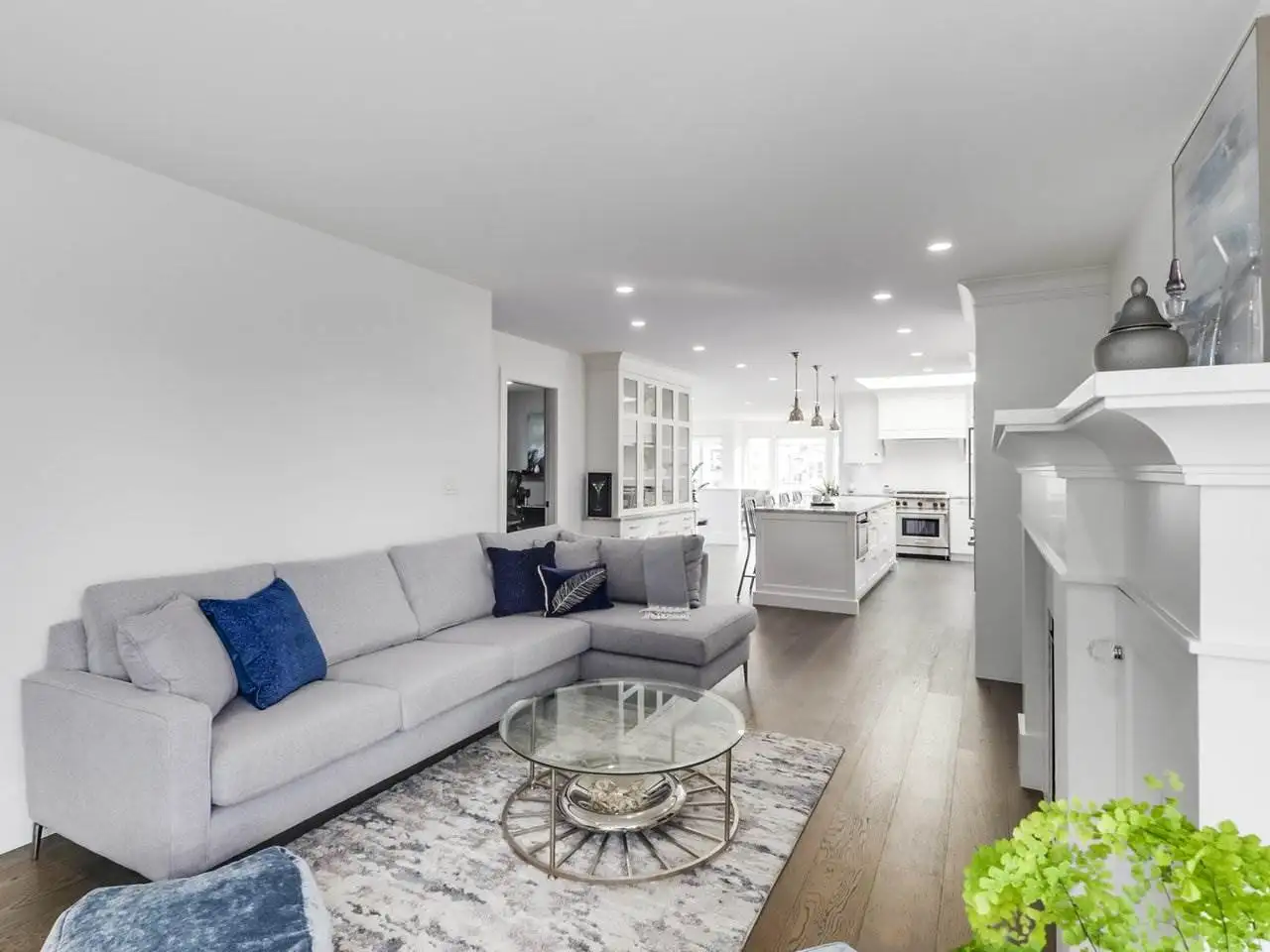
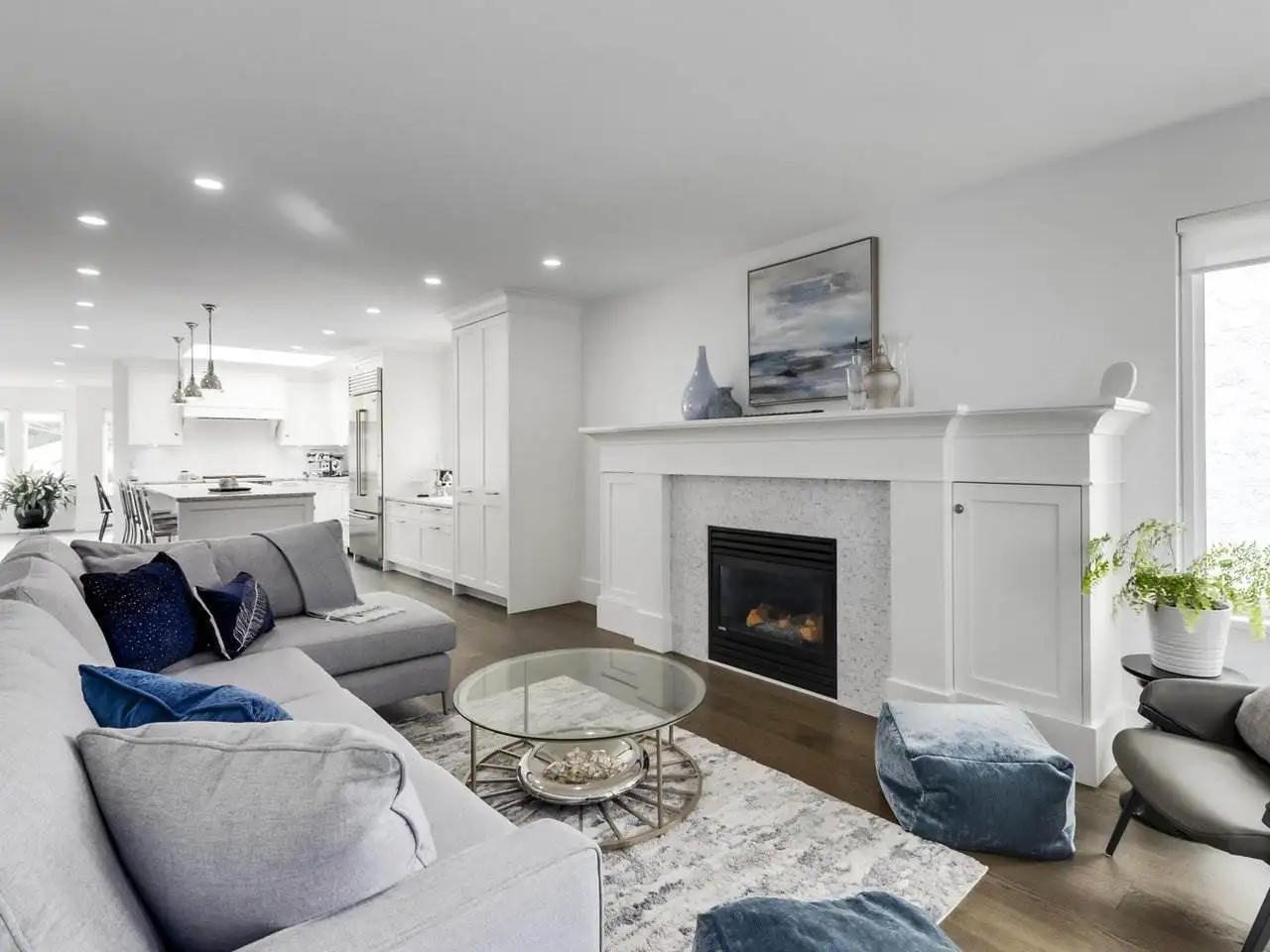
When painting is part of a renovation, timing matters. Major drywall, flooring, electrical and cabinetry work should generally be completed before final painting so new surfaces are not damaged by other trades. Planning the painting stage in advance also helps determine which areas need repairs, primer, colour changes or specialty finishes before the final coats are applied.
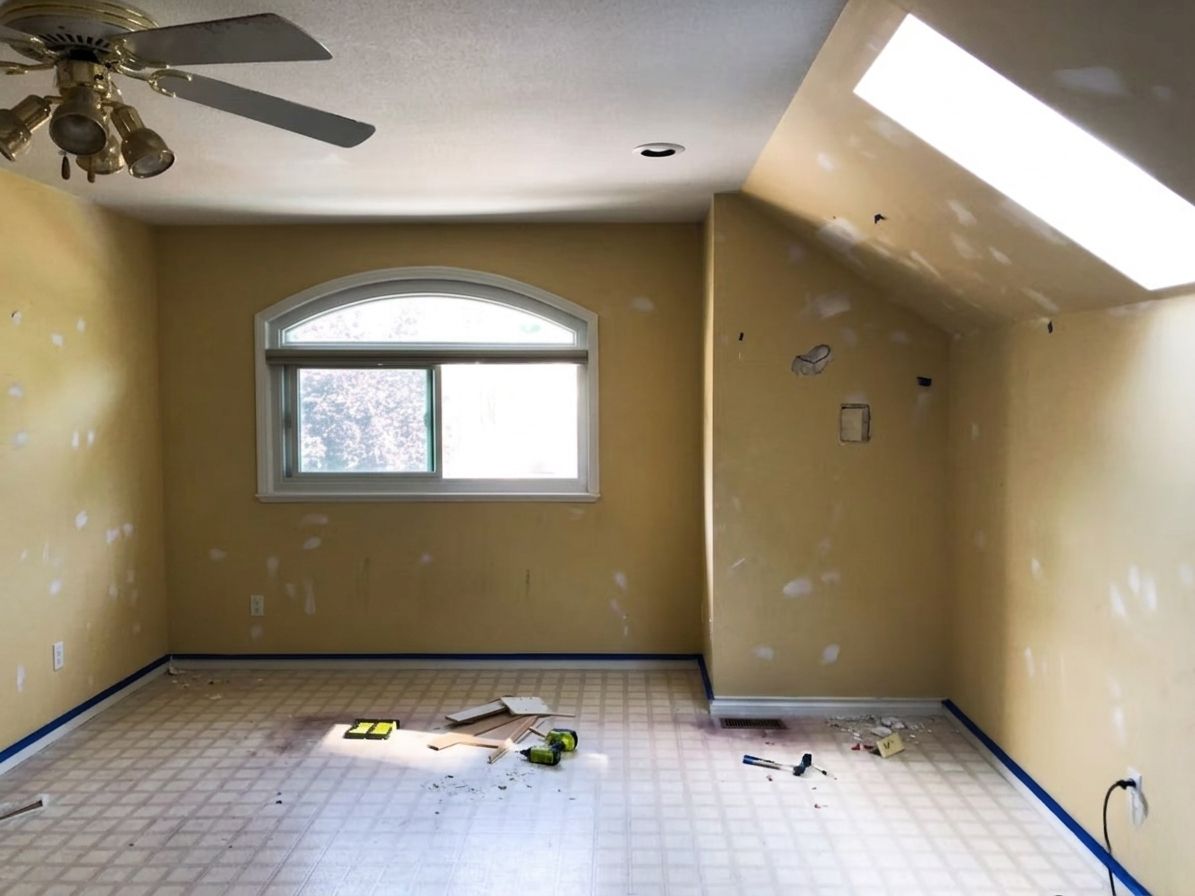
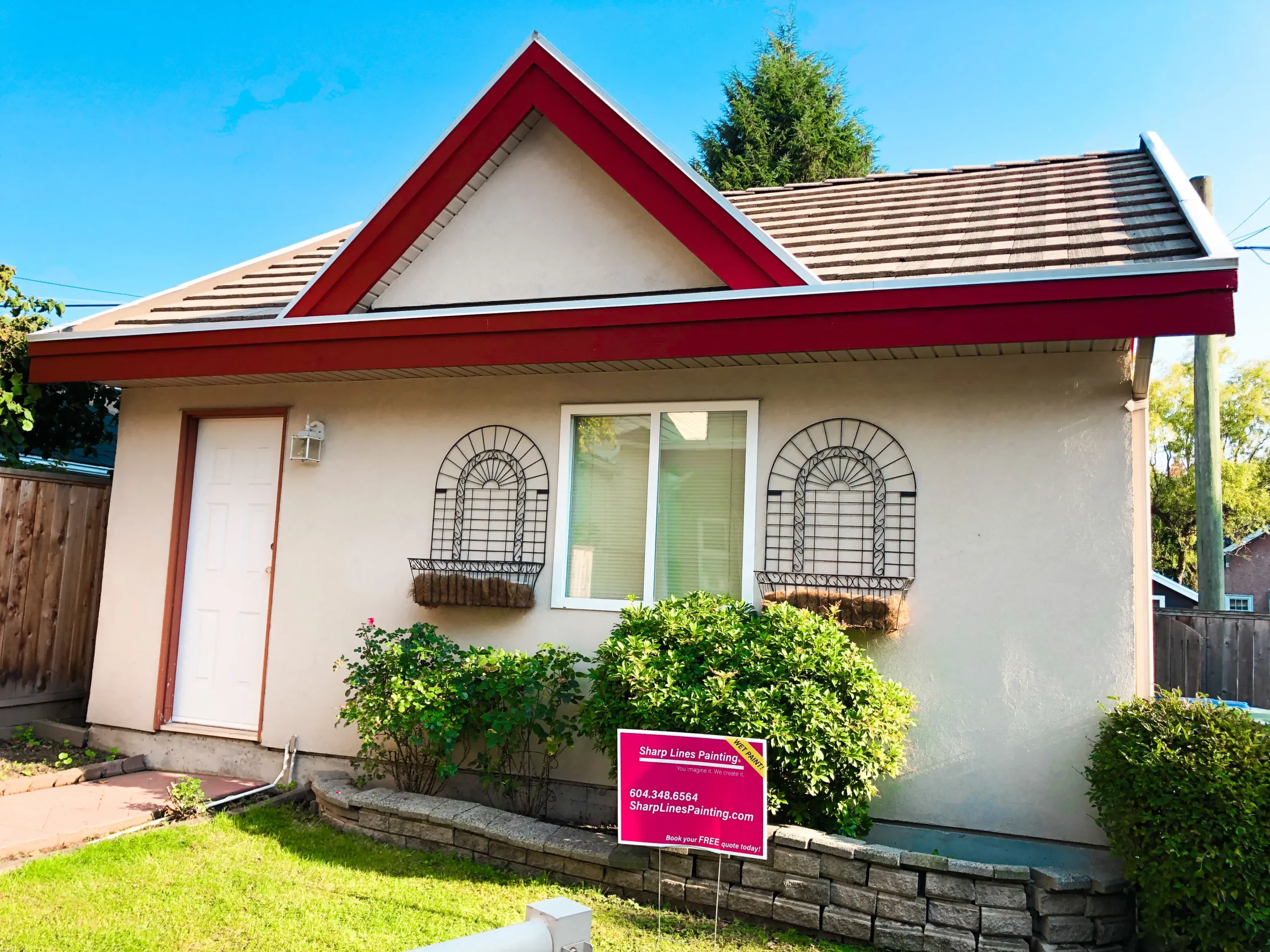
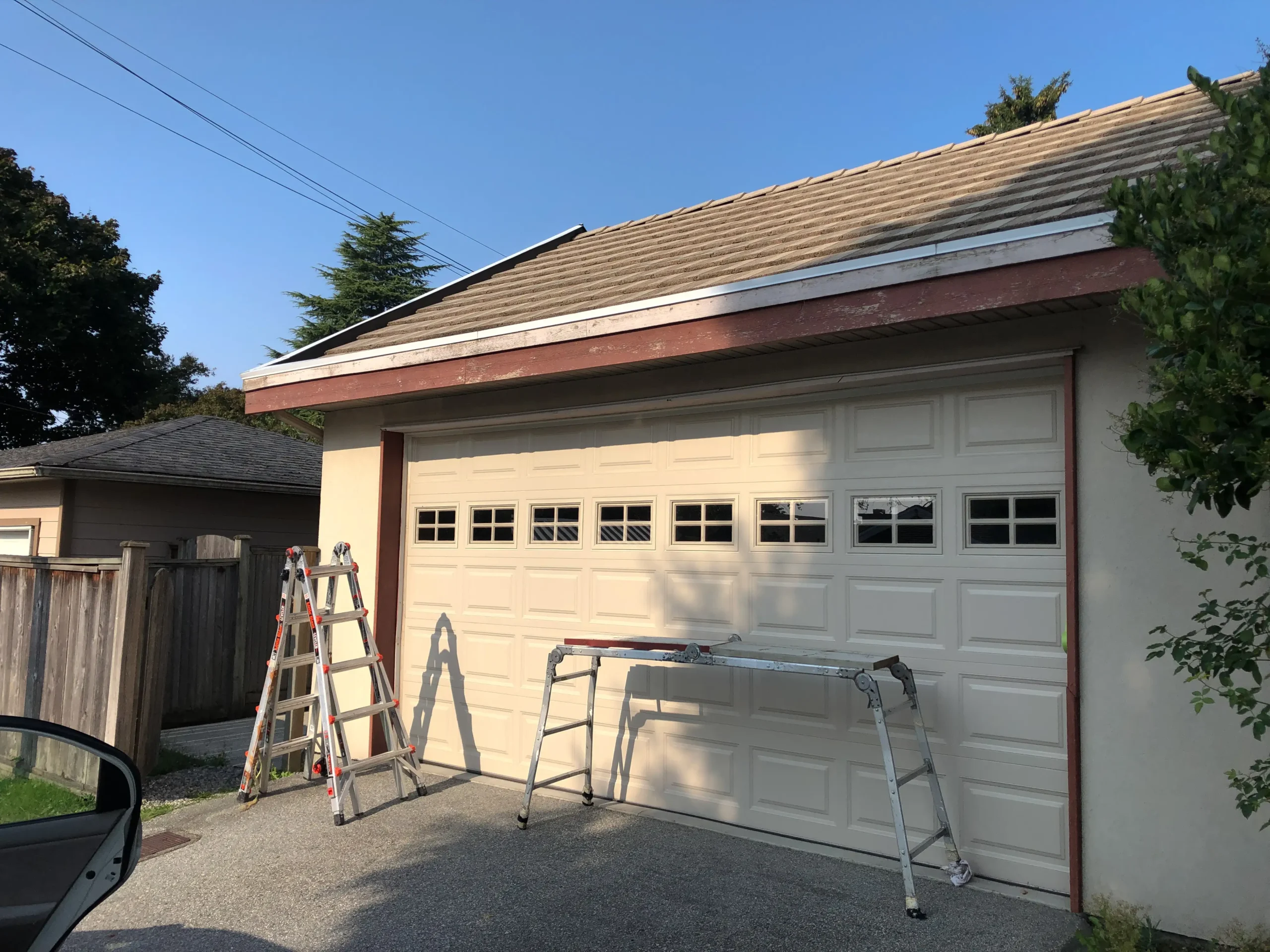
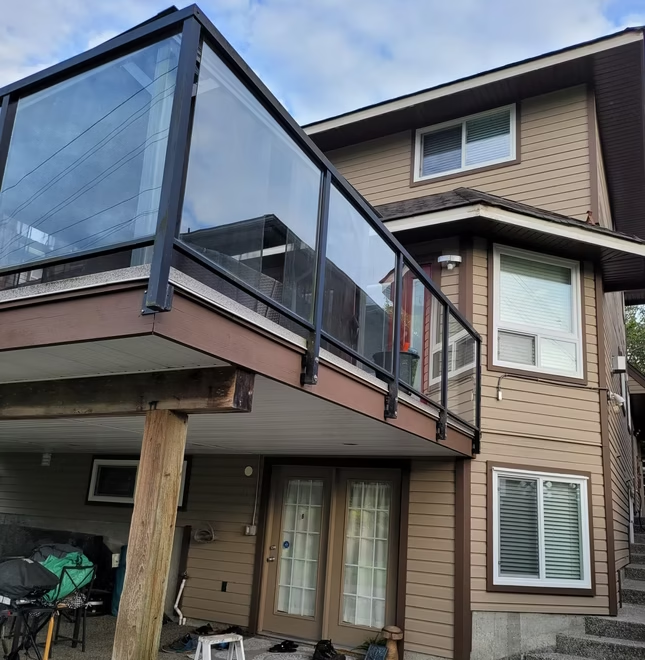
A professional finish starts with the condition of the surface underneath it. Walls may need patching and sanding, while exterior areas can require cleaning, scraping, caulking or wood repairs. Removing loose coatings and correcting surface imperfections helps the new paint bond properly and reduces the chance of visible defects appearing after the project is completed.
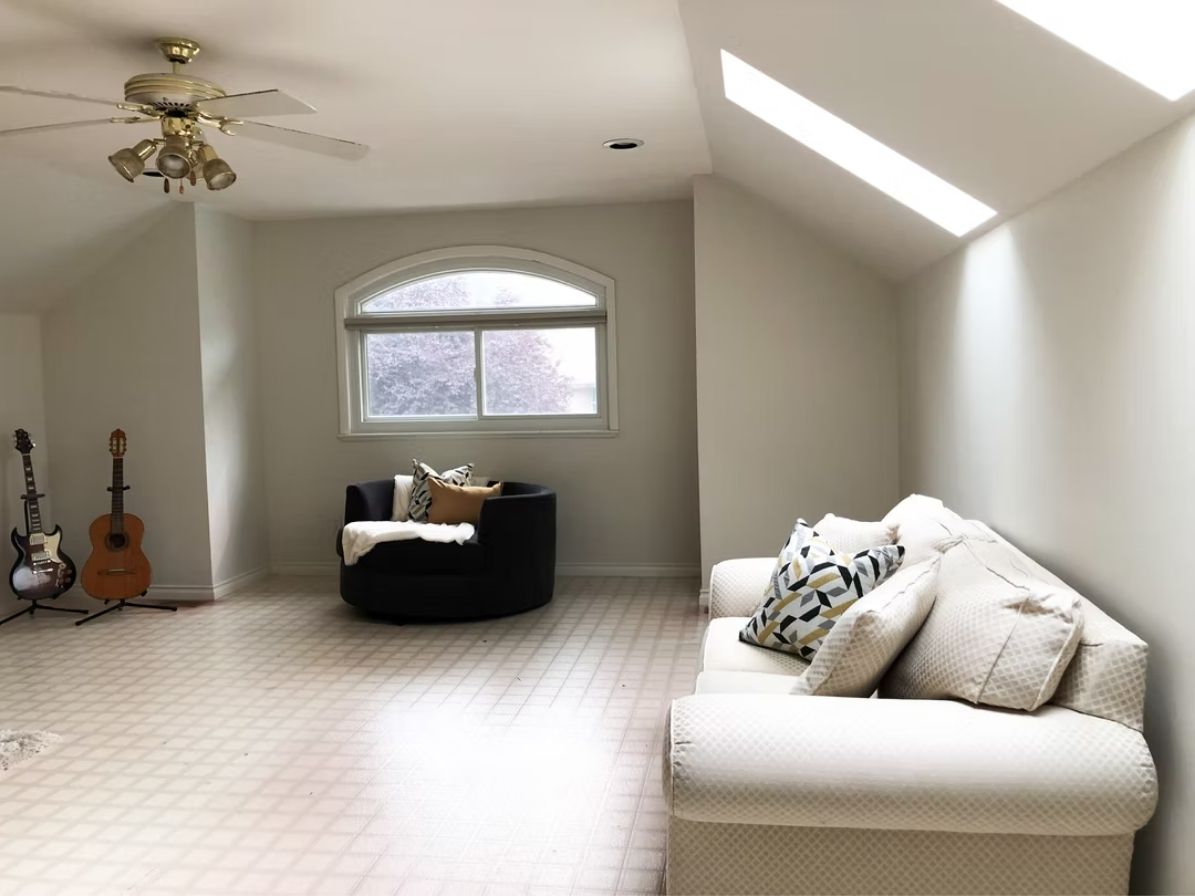
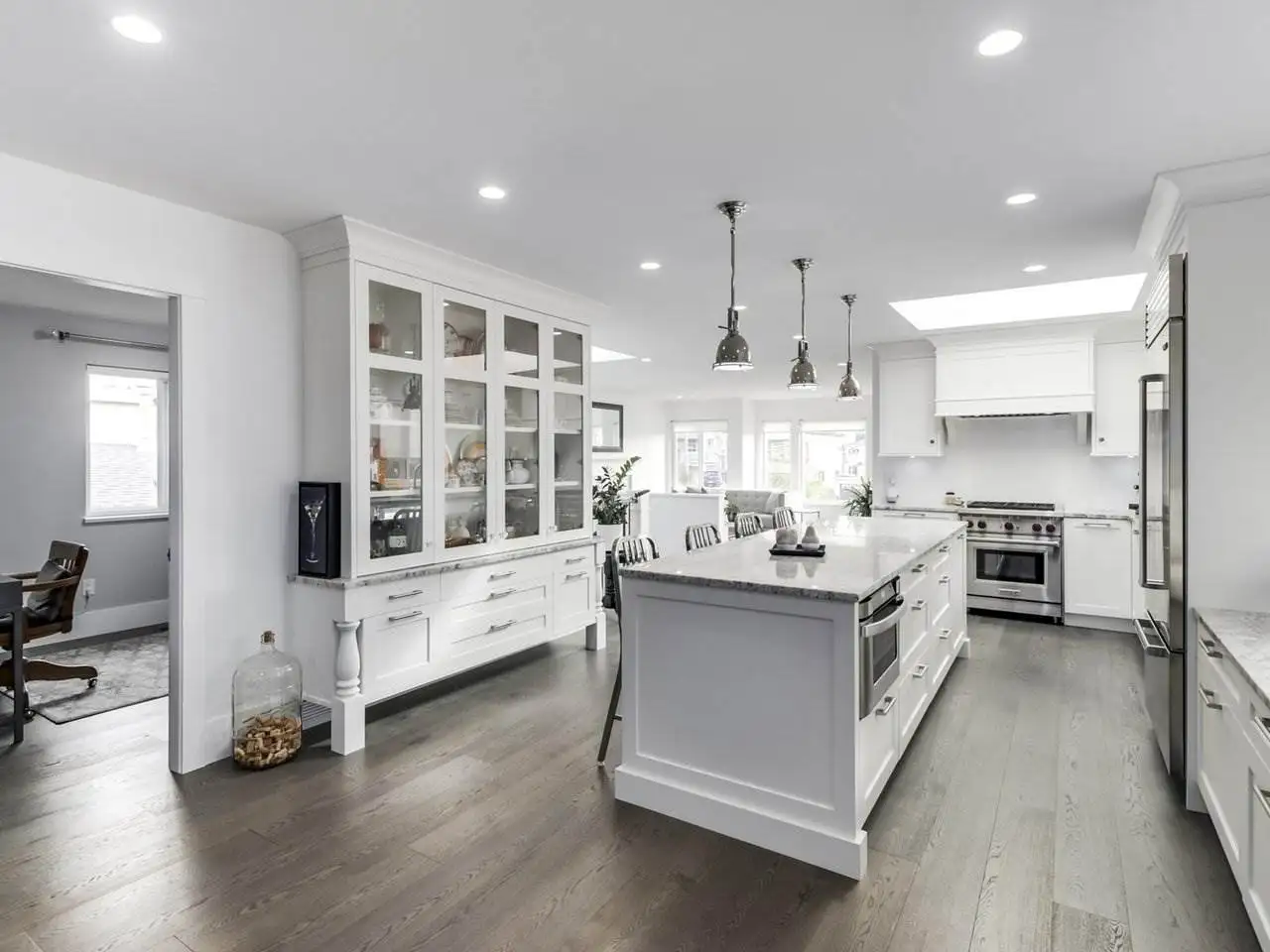
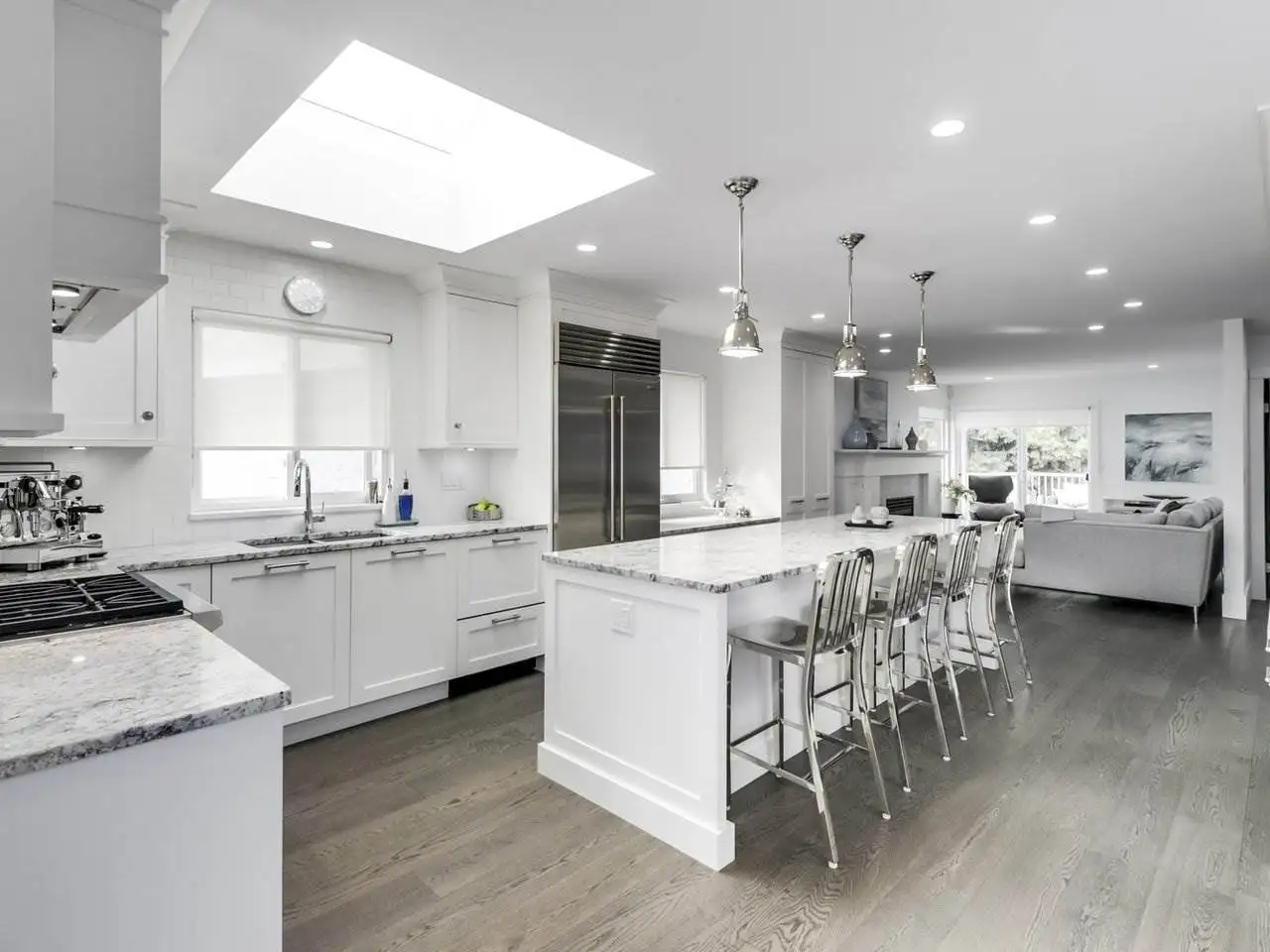
Colour choices should work with the property's existing materials and the changes being made during renovation. Flooring, countertops, cabinetry, furniture and natural lighting can all influence how a paint colour appears. Testing samples before committing to a full room can help homeowners evaluate the colour under different lighting conditions and alongside existing finishes.
Cabinet painting can be an effective option when existing kitchen or bathroom cabinets are structurally sound but visually outdated. Proper refinishing requires thorough cleaning, preparation and suitable coatings because cabinet surfaces receive frequent handling. Doors, drawers and hardware should be carefully prepared to achieve an even finish that can withstand regular household use.
Protecting completed renovation work is an important part of the painting process. Floors, countertops, fixtures, cabinetry and furniture should be covered or otherwise protected before painting begins. Careful preparation of the work area helps prevent accidental splashes, dust and paint transfer while allowing painters to work efficiently around finished surfaces.
The project schedule should account for preparation, repairs, primer, paint application, drying time and final touch-ups. Larger homes may be completed in stages so rooms remain accessible while other areas are being painted. Establishing the sequence with the contractor before work begins can make it easier to coordinate painting with renovation deadlines and household routines.