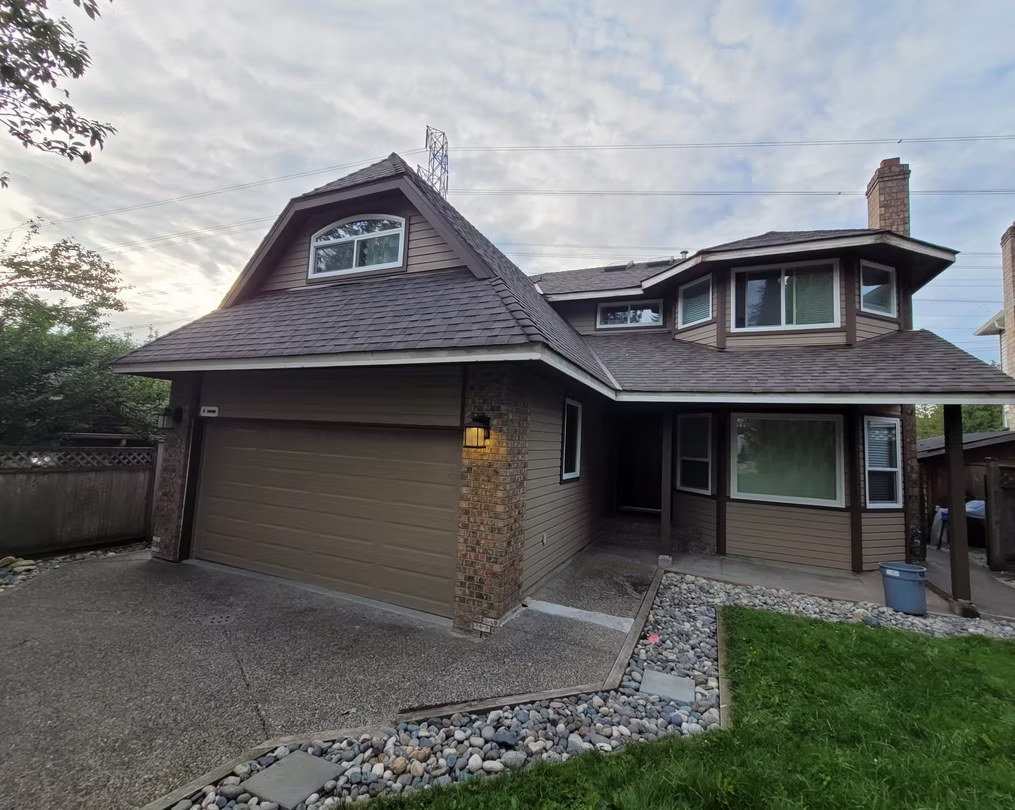
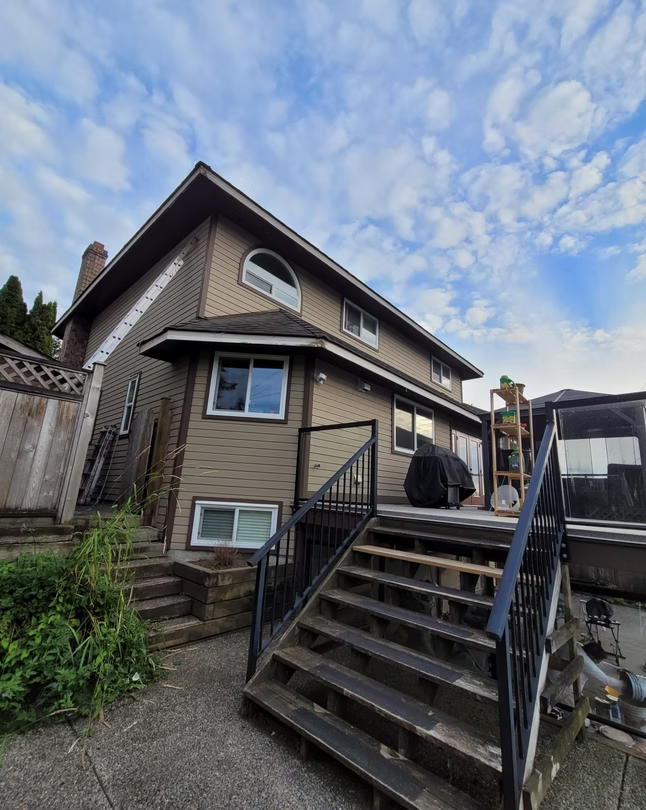
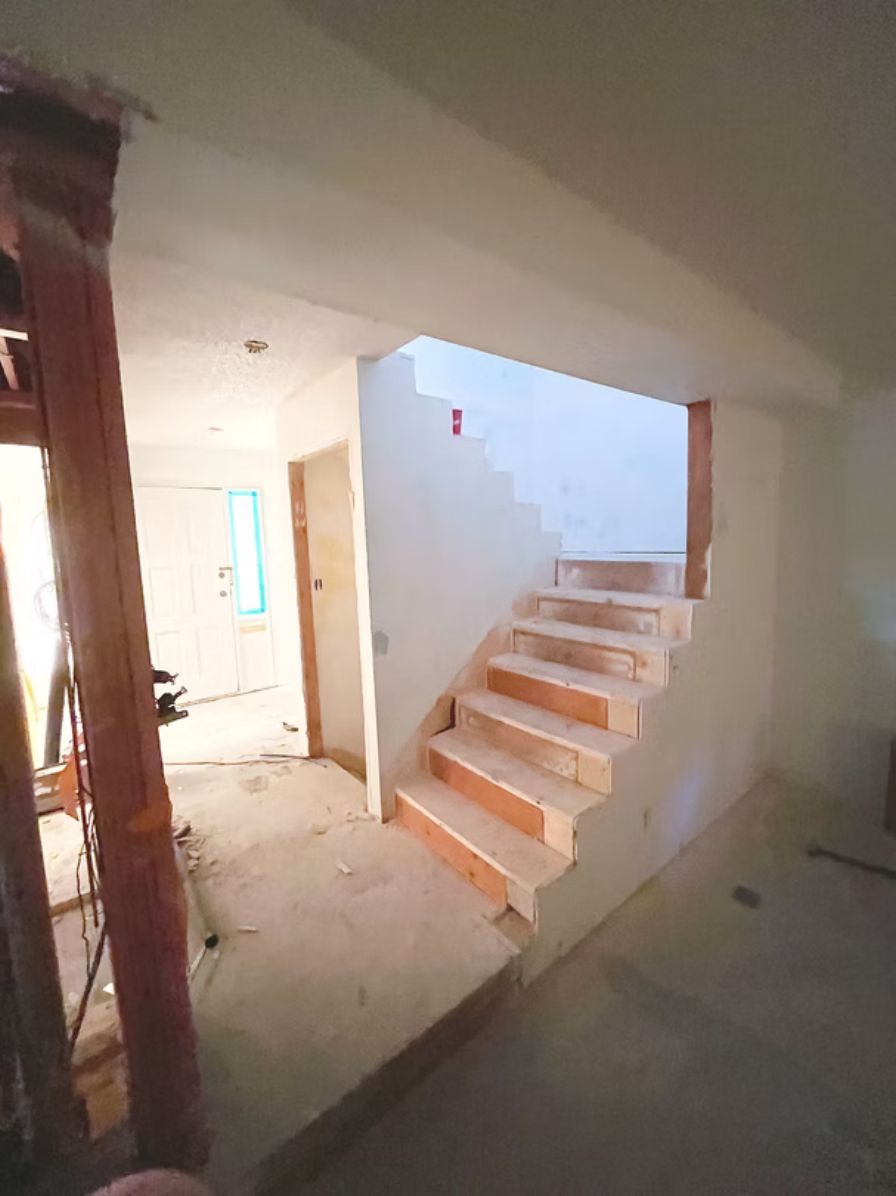
Every project begins with understanding the scope of work, property requirements and desired outcomes. This stage helps establish a clear plan, identify any preparation needs and ensure the project is organised before painting starts. Proper planning also helps avoid unnecessary delays and keeps work progressing efficiently.
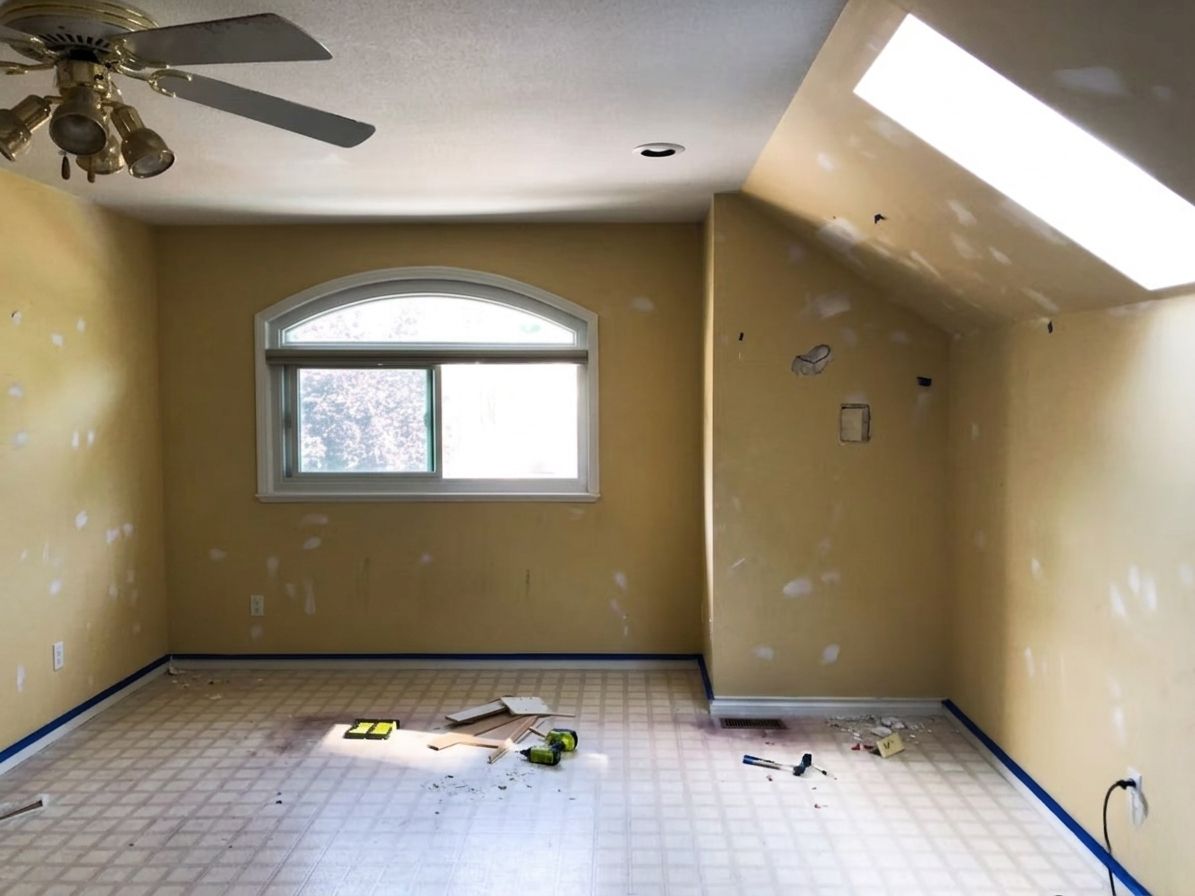
Before any painting begins, surfaces are carefully inspected to determine their condition. Existing coatings, minor damage, surface wear and other factors are reviewed to identify any work required before paint application. Addressing these issues early helps support a cleaner and more consistent finish.
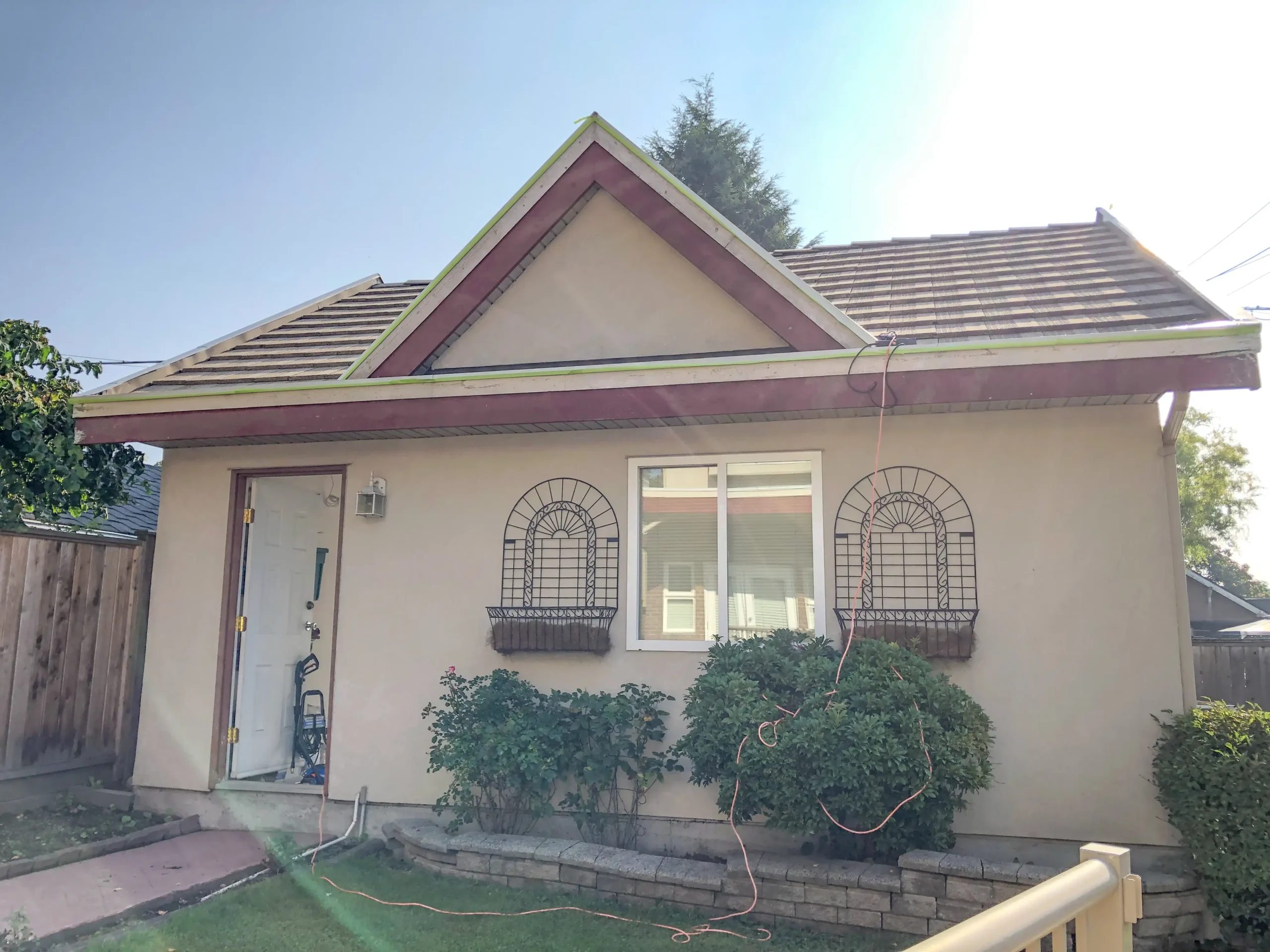
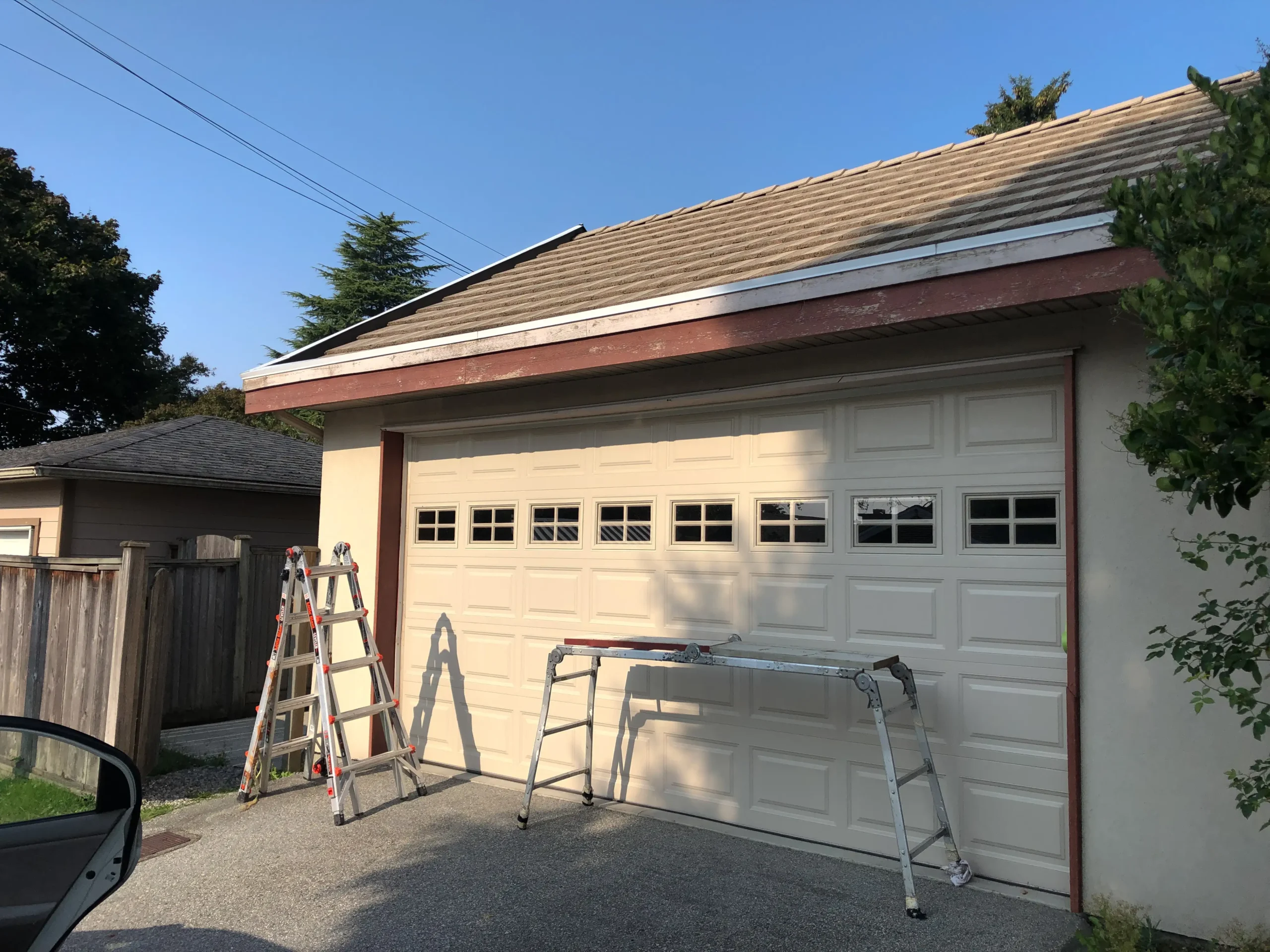
Preparation plays a major role in the overall quality of a painting project. Depending on the surfaces involved, this may include cleaning, sanding, filling, caulking and protecting surrounding areas. Taking the time to prepare properly helps paint adhere more effectively and improves the appearance of the finished work.
Once preparation has been completed, paint is applied using products suited to the surface and project requirements. Coverage, finish quality and consistency are monitored throughout the process to help achieve an even appearance across all painted areas.
Completed sections are reviewed as work progresses to ensure standards are maintained throughout the project. Any areas requiring touch ups or additional attention can be identified and addressed before the final stage, helping maintain consistency from start to finish.
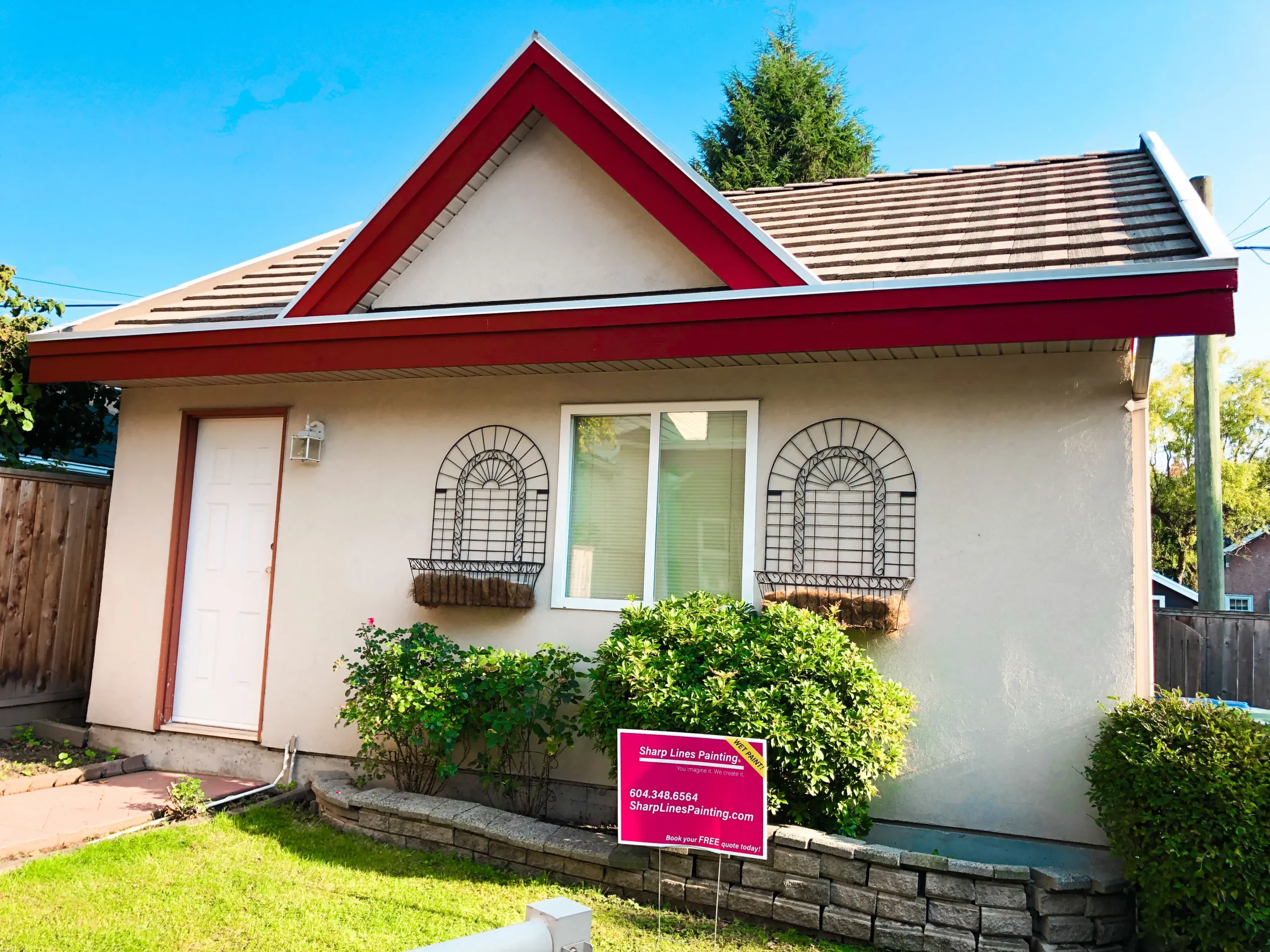
Following completion, work areas are cleaned and prepared for handover. Protective coverings are removed, final details are reviewed and any remaining adjustments are completed. This final stage ensures the project is ready for everyday use and presentation.