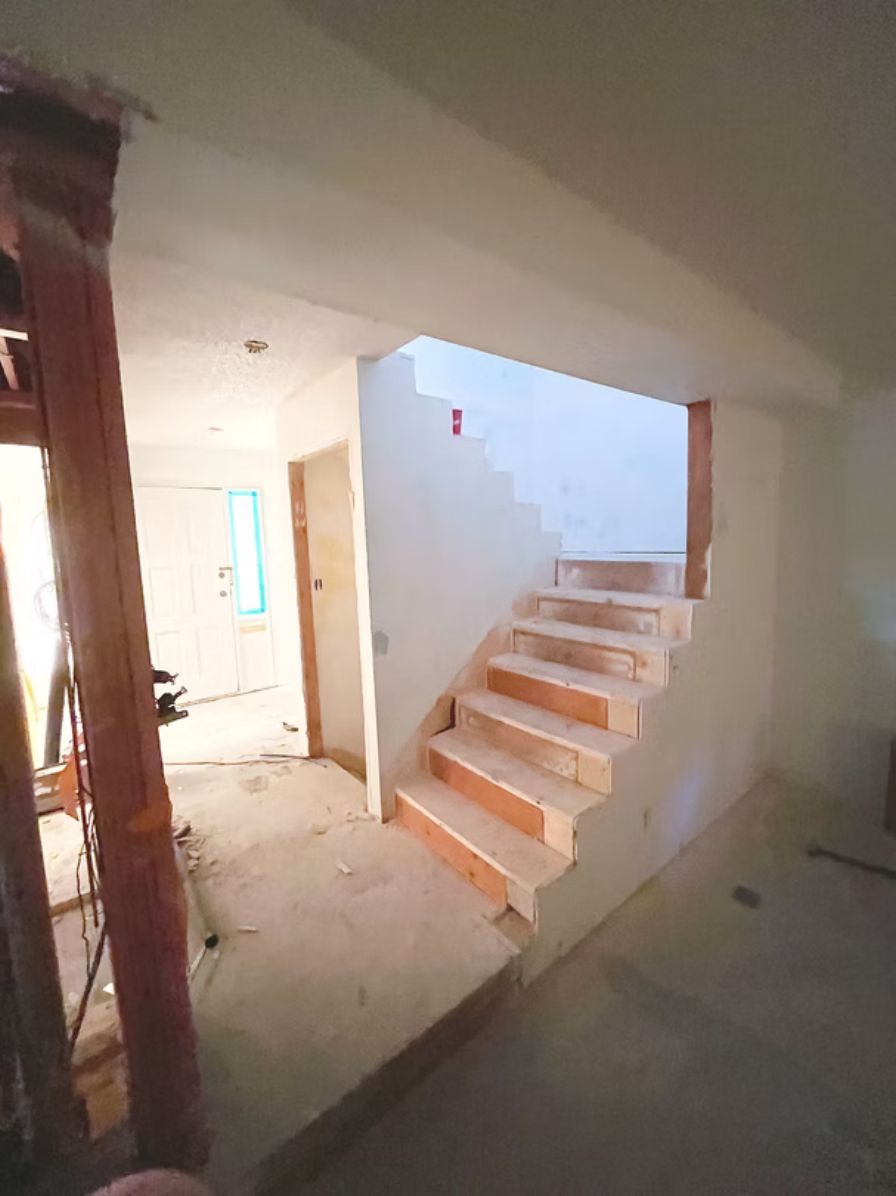
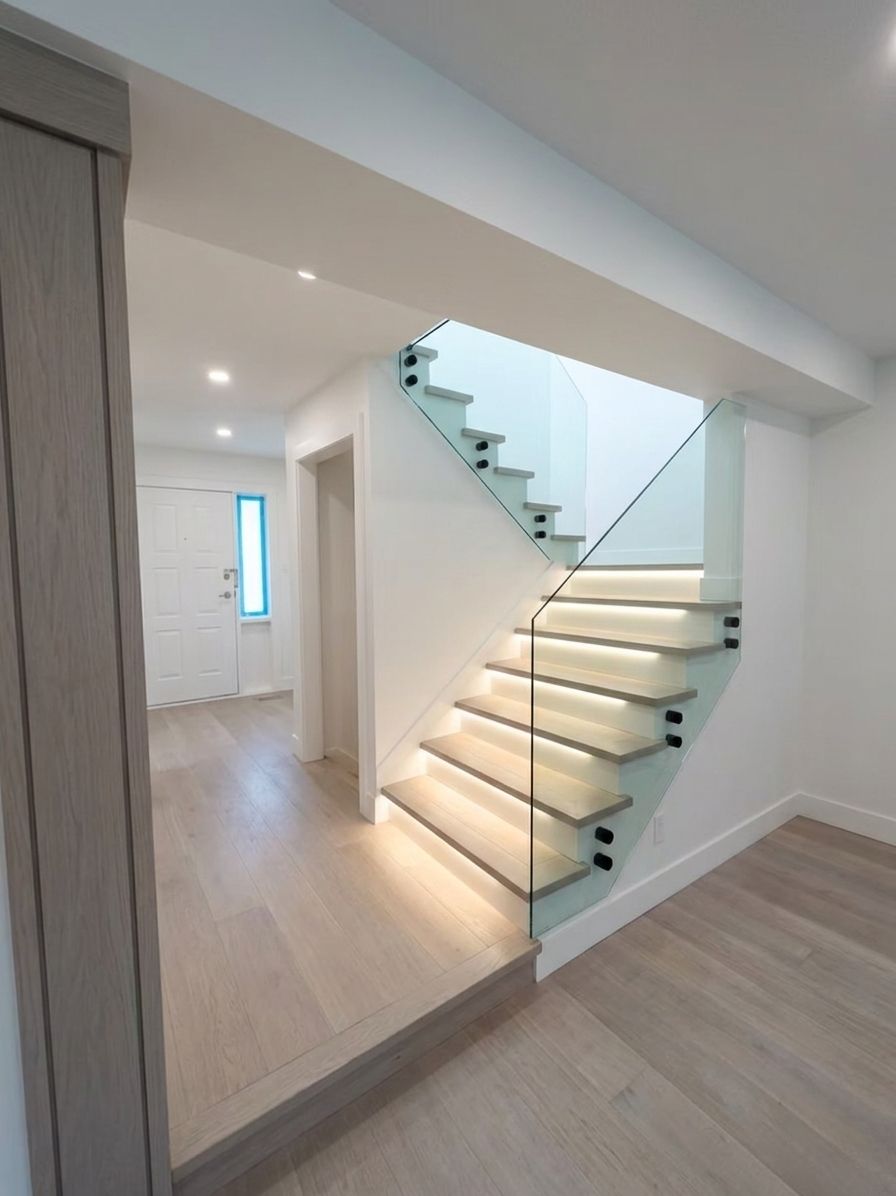
Not every renovation follows the same permit requirements in Victoria. Structural alterations, plumbing, electrical work and certain exterior changes may require permits, while purely cosmetic work can be treated differently. The City of Victoria recommends using its permit finder before construction begins. Heritage properties and homes in Heritage Conservation Areas may have additional requirements.
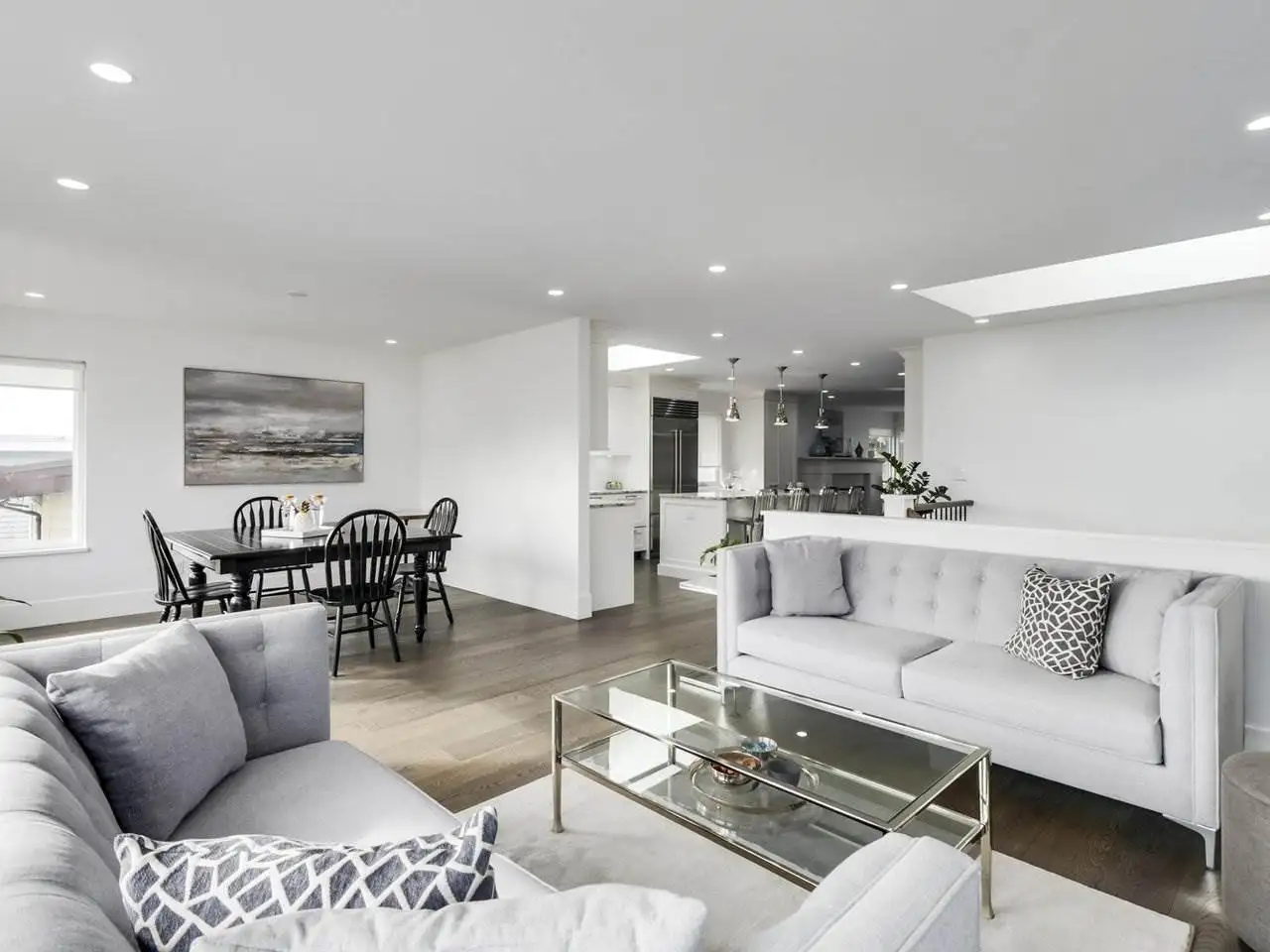
Changing a wall or moving a kitchen sink can affect much more than the room's appearance. Before finalising a renovation layout, consider plumbing locations, electrical circuits, natural light, ventilation, storage and how people move through the space. A good layout should solve an everyday problem first, then leave enough flexibility for finishes, fixtures and furniture.
Kitchen and bathroom renovations often become more expensive when fixtures are moved from their original locations. Relocating a sink, toilet, shower or water line can involve additional plumbing work, access through walls or floors and permit requirements. In Victoria, adding or removing plumbing fixtures or altering water and sanitary connections generally requires a plumbing permit.
Renovating a kitchen, bathroom or basement can reveal that the existing electrical setup does not suit the new space. New lighting, outlets, appliances and relocated fixtures may require electrical work rather than simply replacing visible components. Planning electrical requirements before drywall and finished surfaces go in helps avoid opening up completed areas later.
Waterproofing deserves particular attention in bathrooms and other areas exposed to regular moisture. Tile itself is not the waterproofing system; the substrate, membrane, seams, penetrations and transitions all need to work together. Getting this stage right before tile or flooring is installed can prevent concealed water damage that may otherwise become an expensive repair.
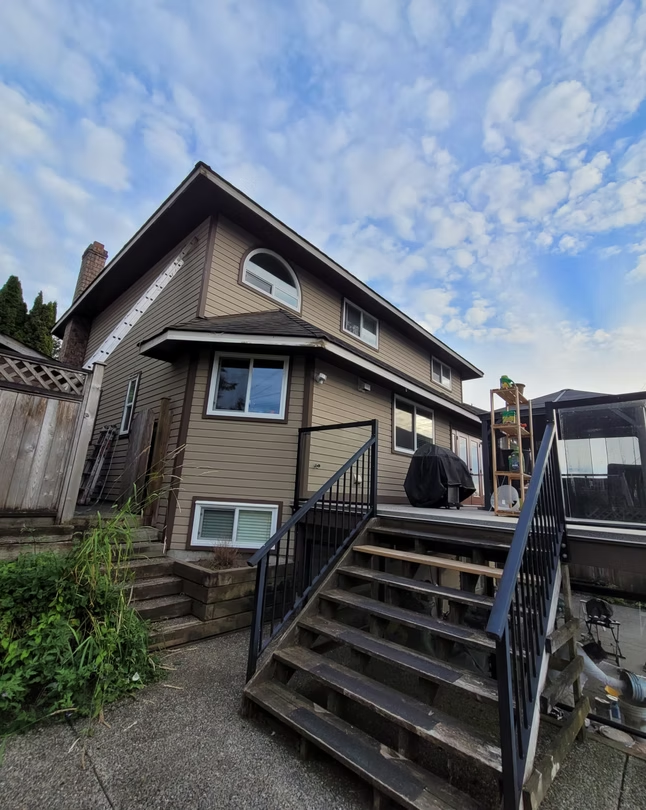
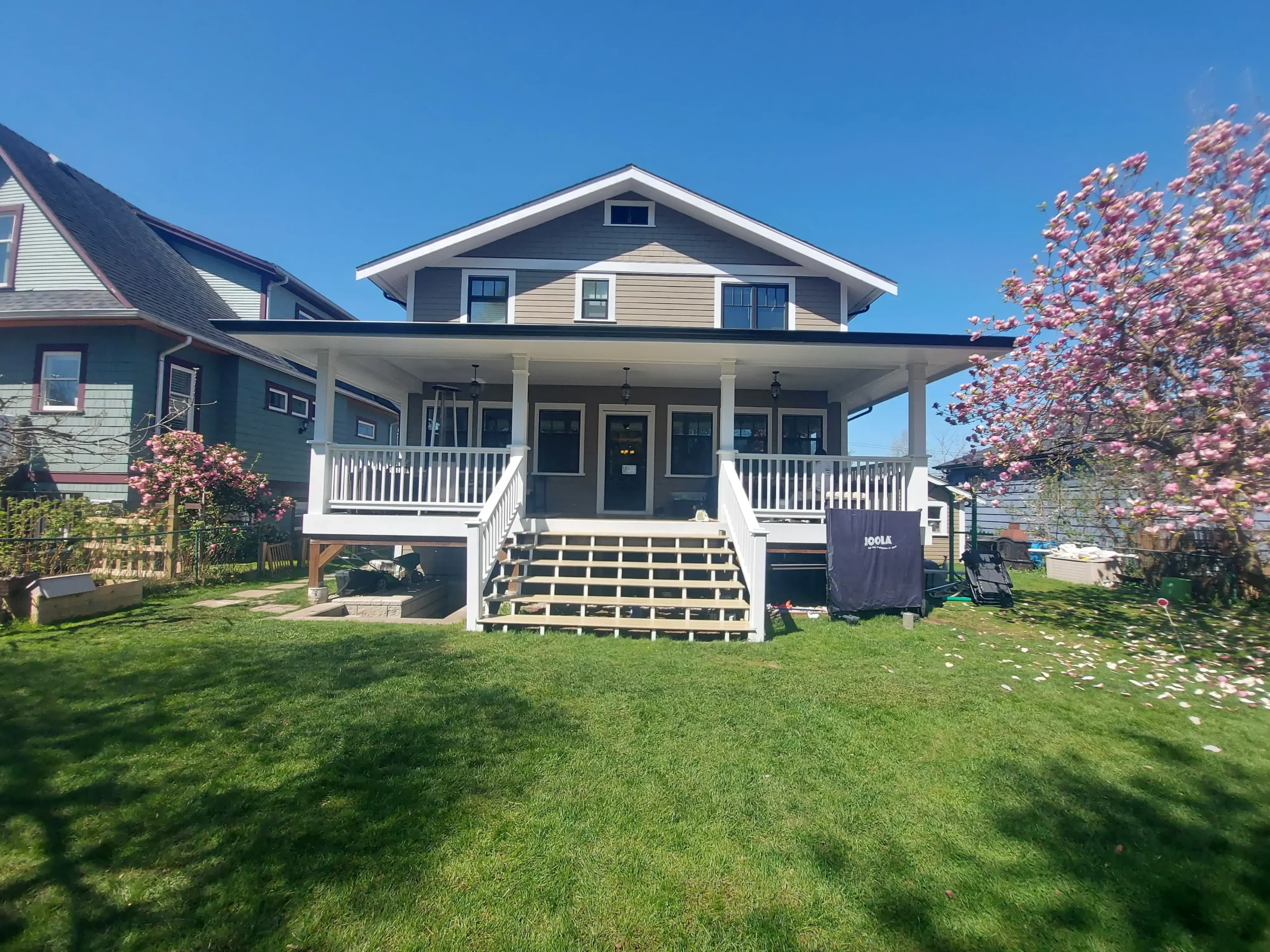
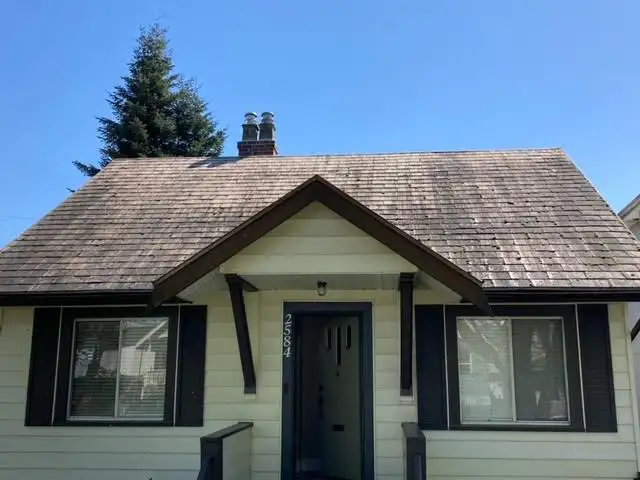
Victoria has heritage properties and Heritage Conservation Areas where renovation rules can be different from those for a typical home. Depending on the property's status and the proposed alteration, a Heritage Alteration Permit may be required in addition to other approvals. Checking heritage requirements before changing exterior materials, windows or protected features can prevent costly design changes later.