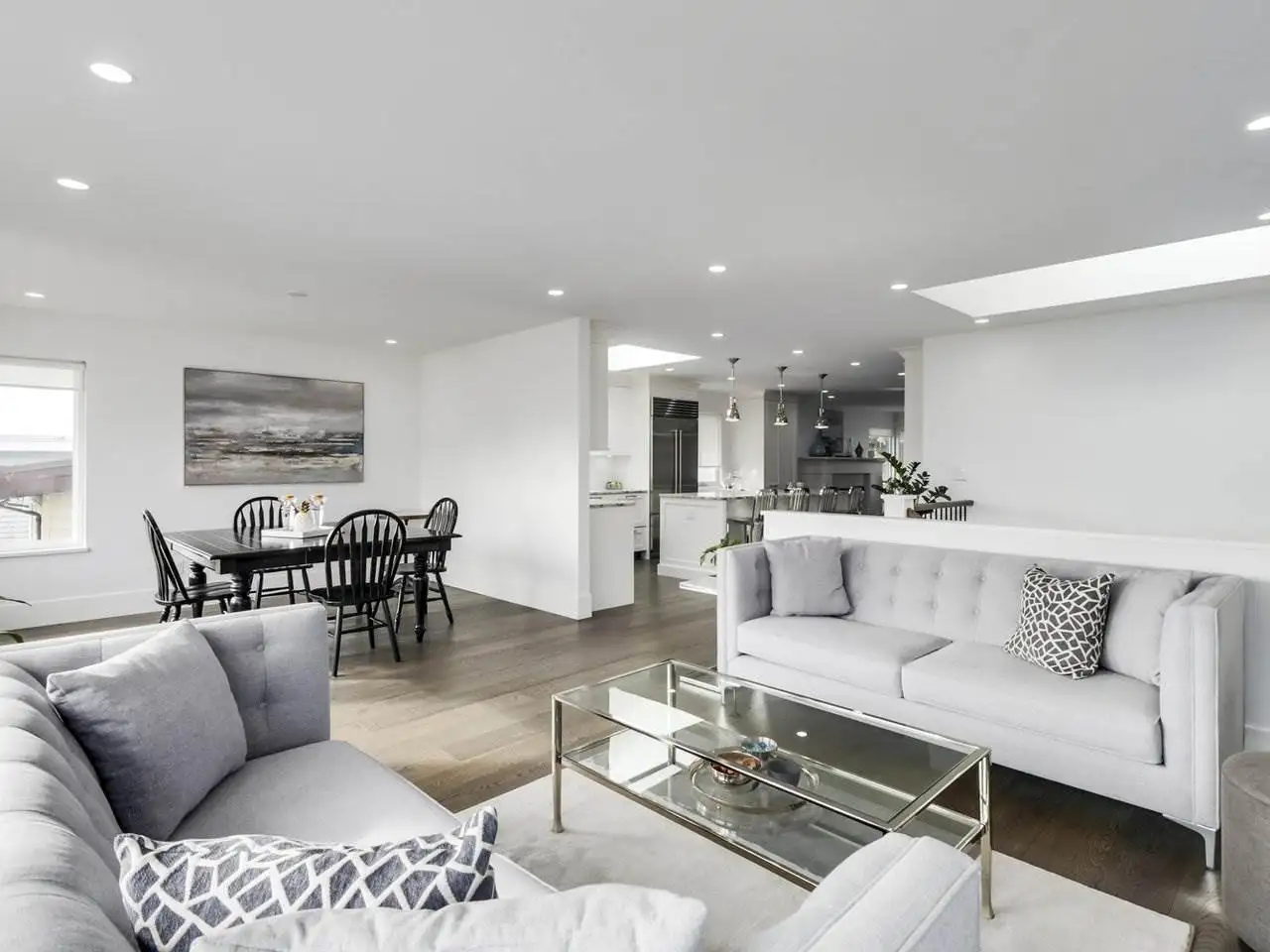
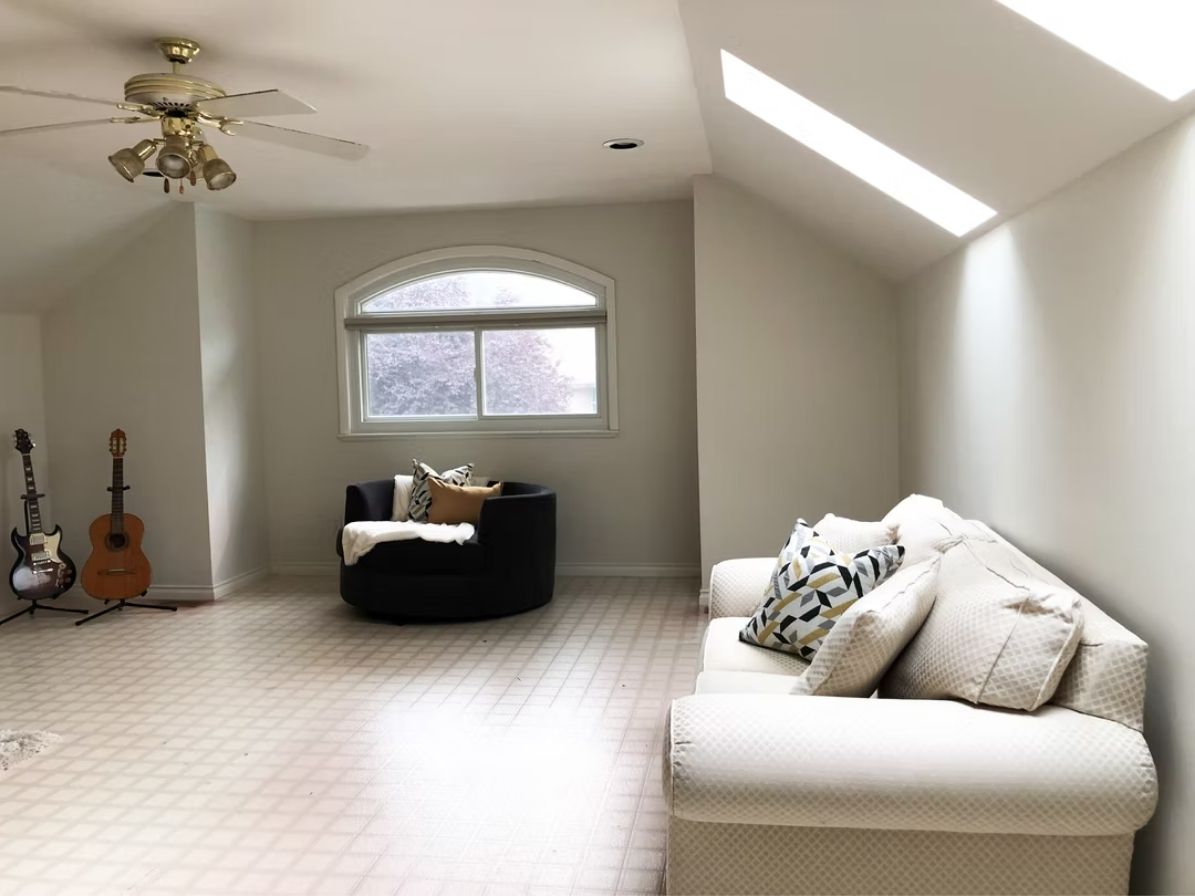
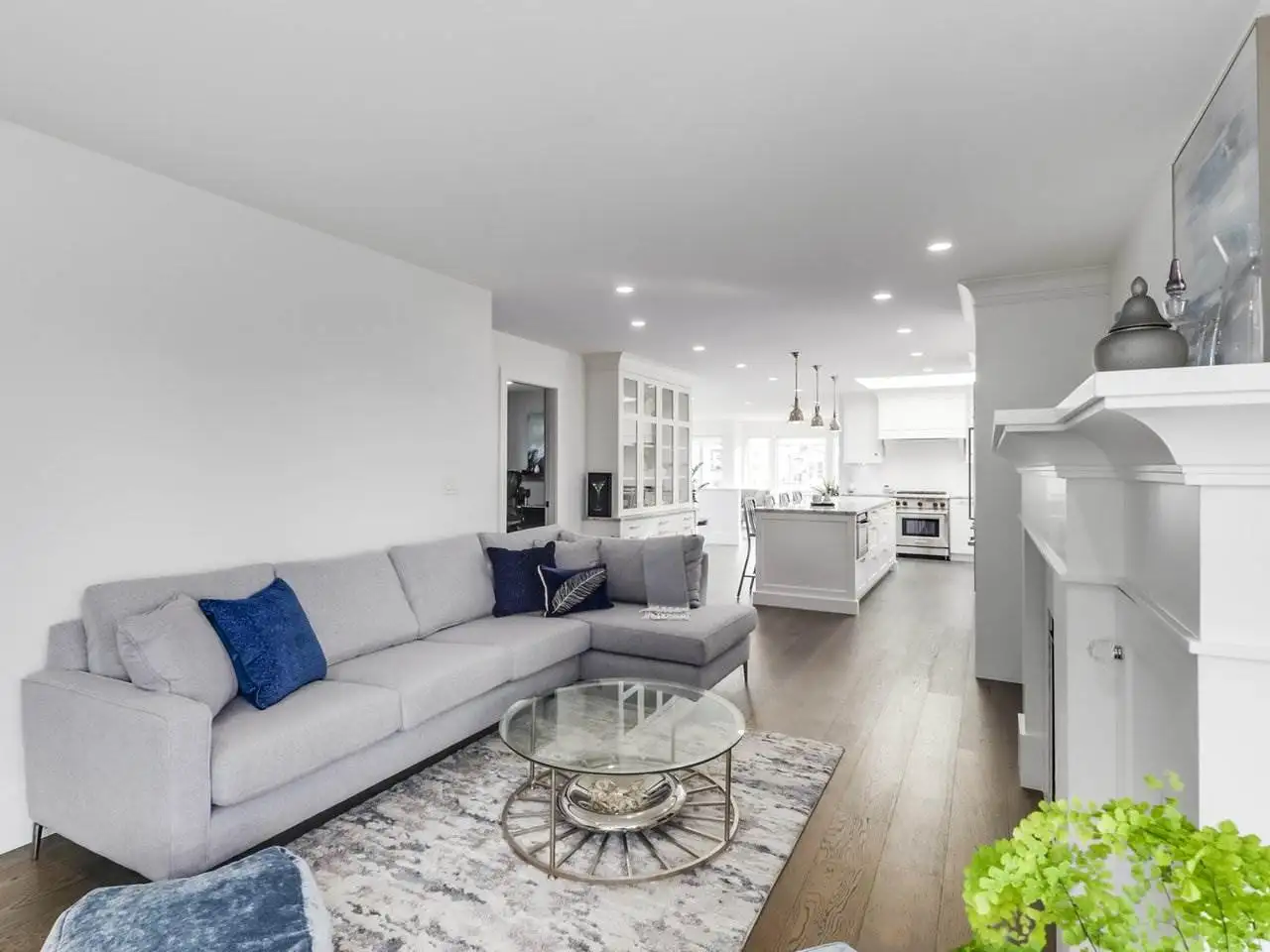
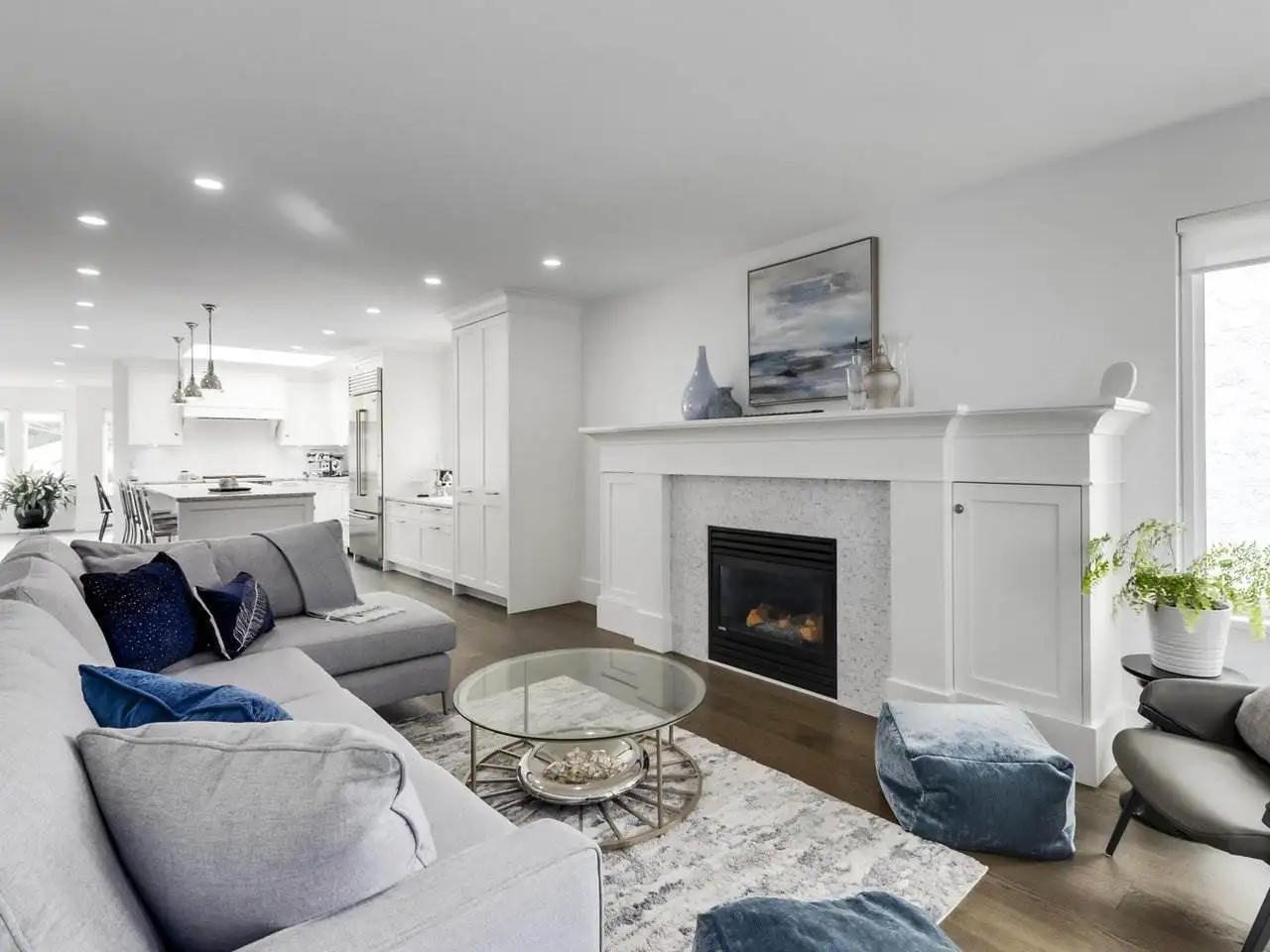
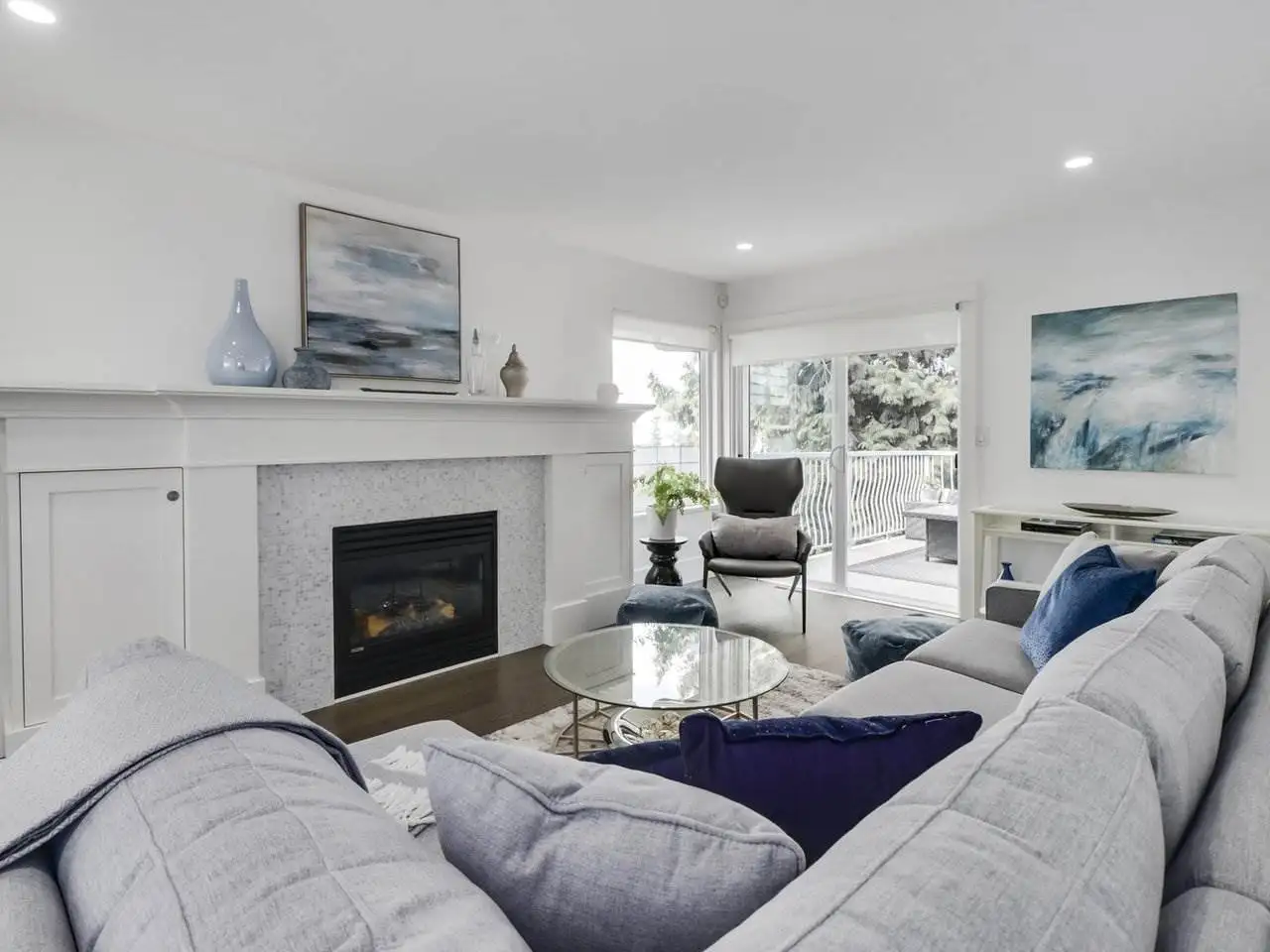
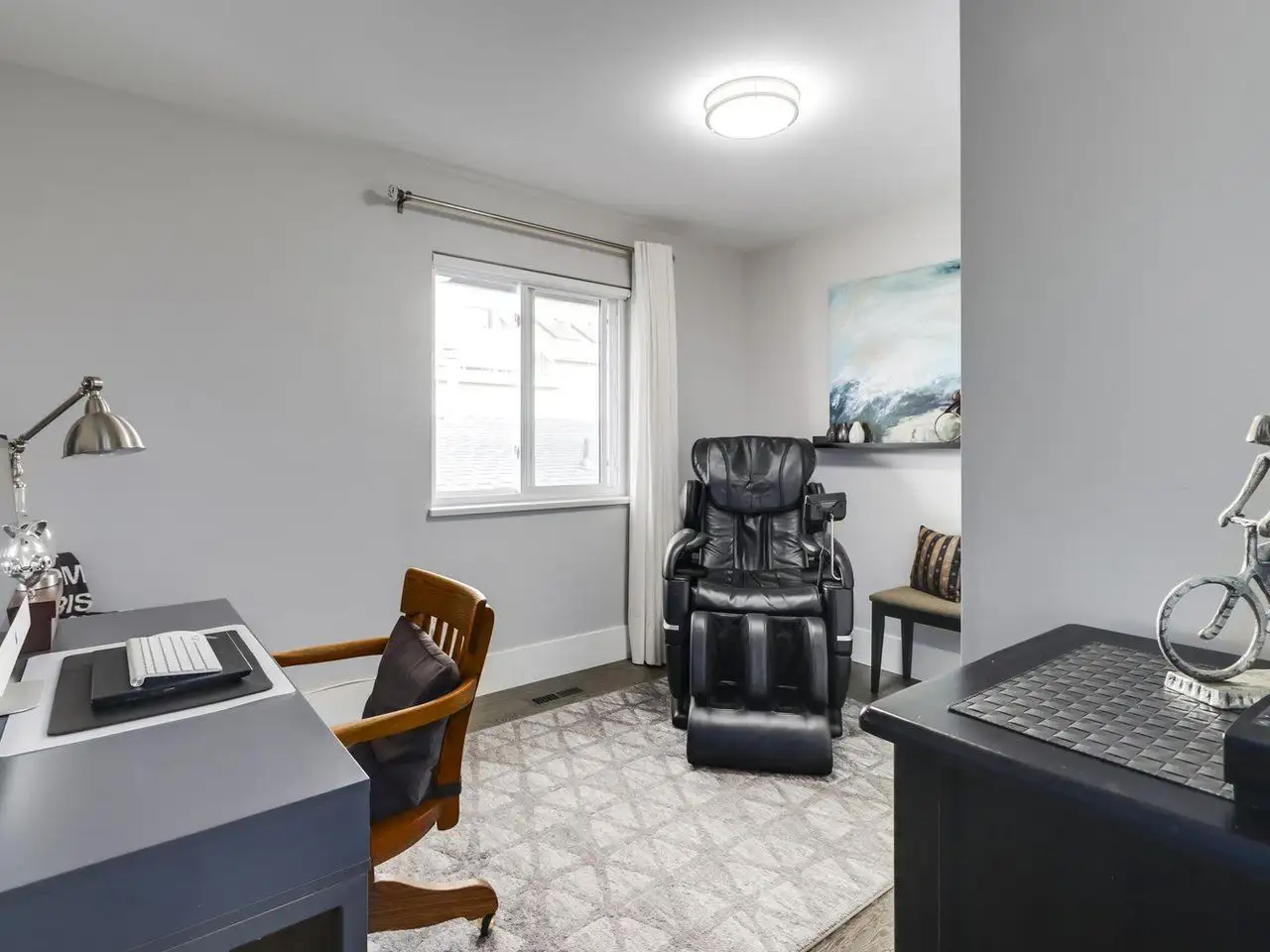
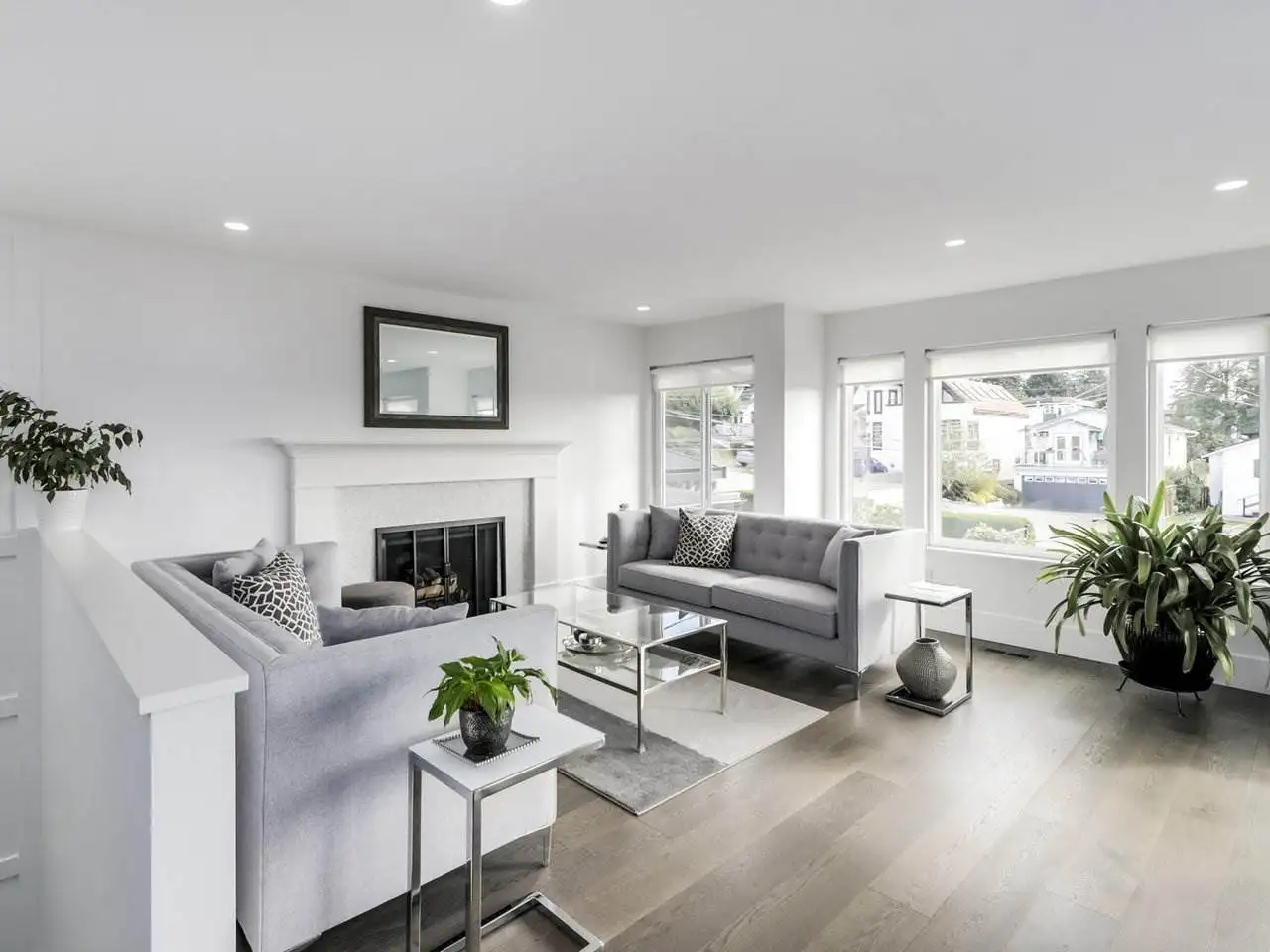
A well-planned layout can make your property more comfortable and practical. Think about how each room is used, where storage is needed and how people move between spaces. If you are opening up rooms or changing the purpose of an area, planning the layout before construction can help avoid unnecessary changes later.
The materials you choose affect both the appearance and long-term use of your renovated space. Flooring, cabinets, countertops, fixtures and wall finishes should suit the room and your everyday needs. Choosing suitable products early can also help keep installation work moving smoothly.
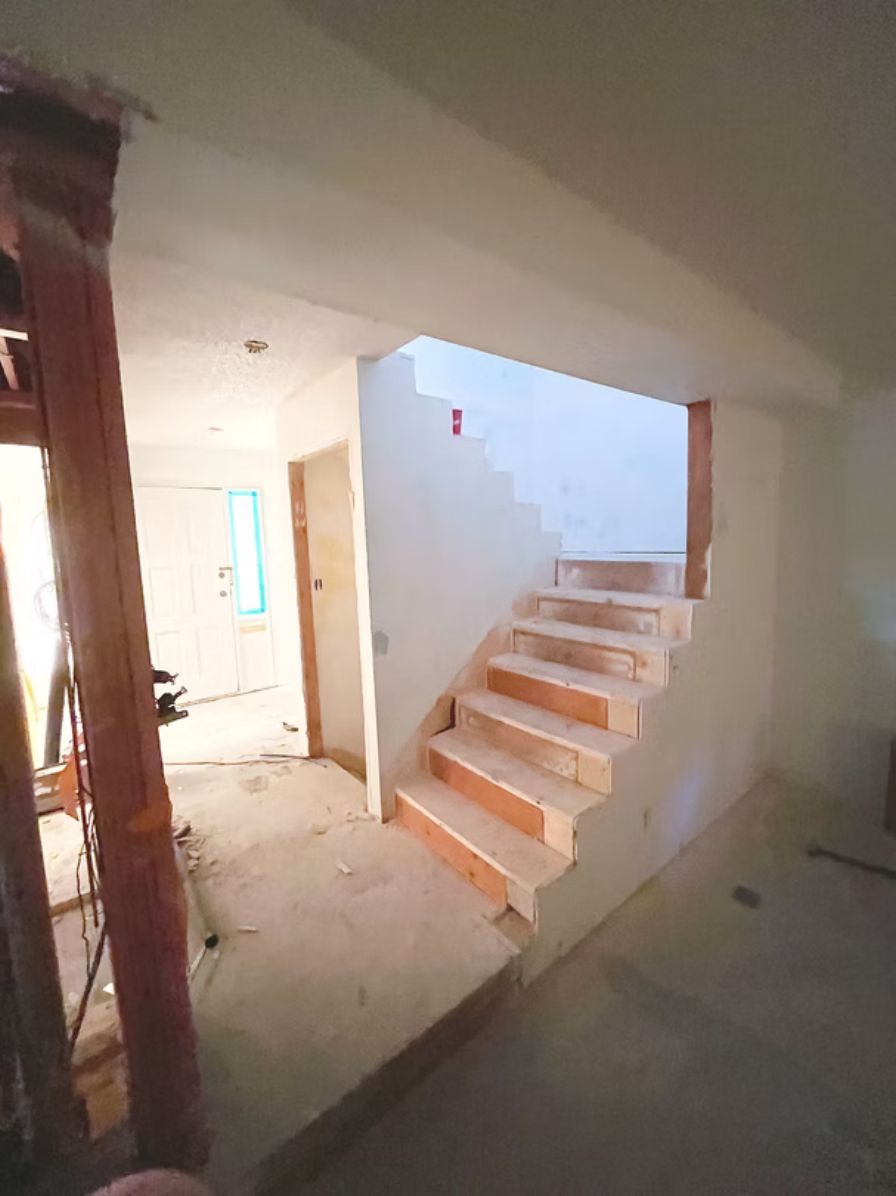
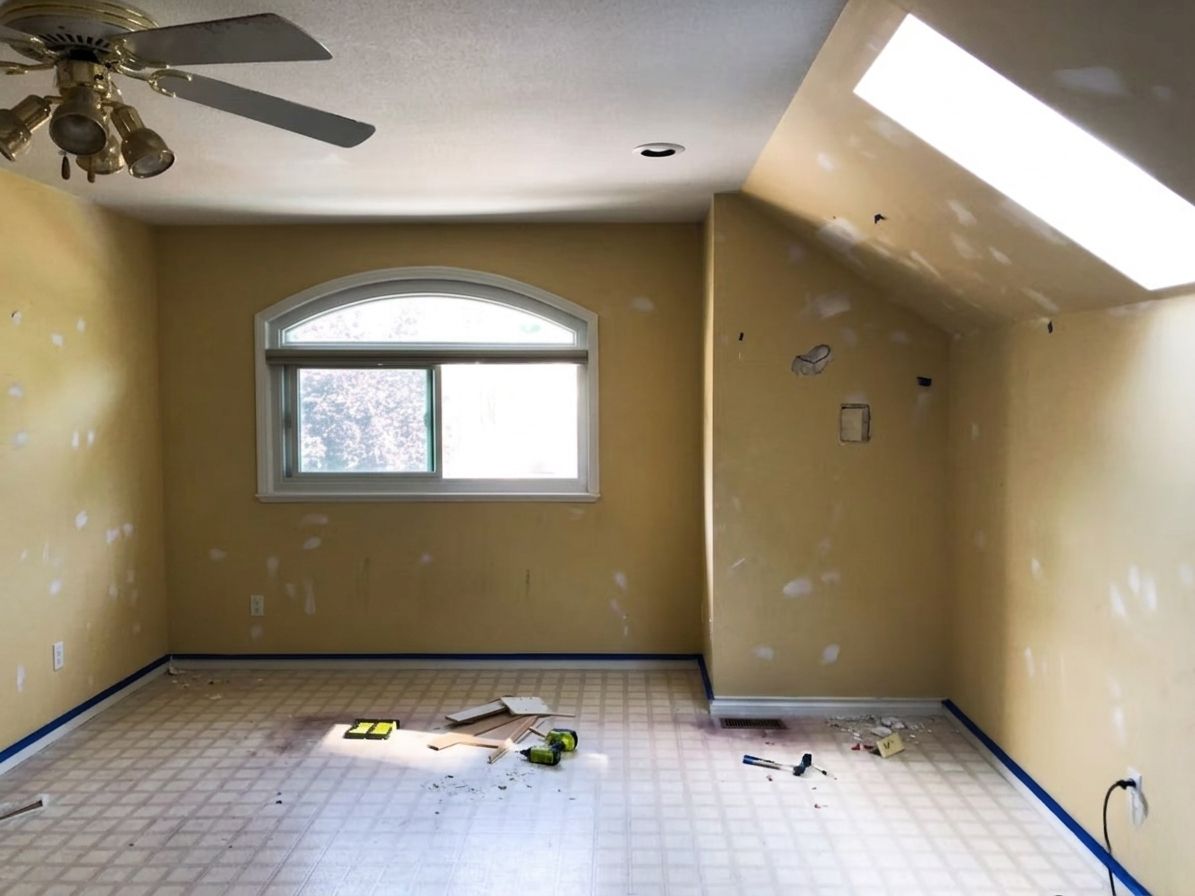
Some remodeling projects involve more than surface improvements. Framing repairs, wall changes, ceiling work or other structural requirements may need to be completed before new finishes are installed. Reviewing these areas early helps identify work that could affect the overall project.
A remodeling project can provide an opportunity to improve the comfort and efficiency of your property. Depending on the scope of the work, improvements may include insulation, windows, doors or other building components. These upgrades can be considered alongside the main renovation instead of being handled as separate projects later.
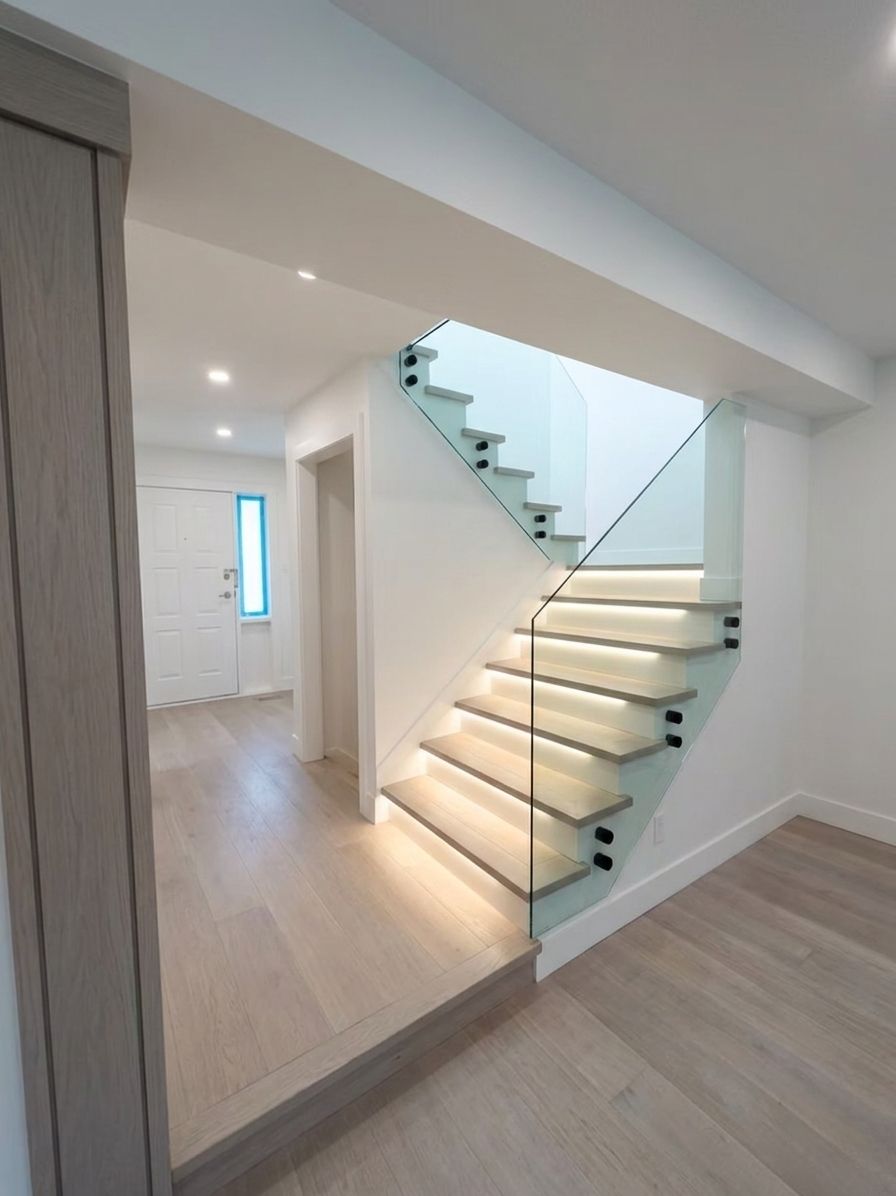
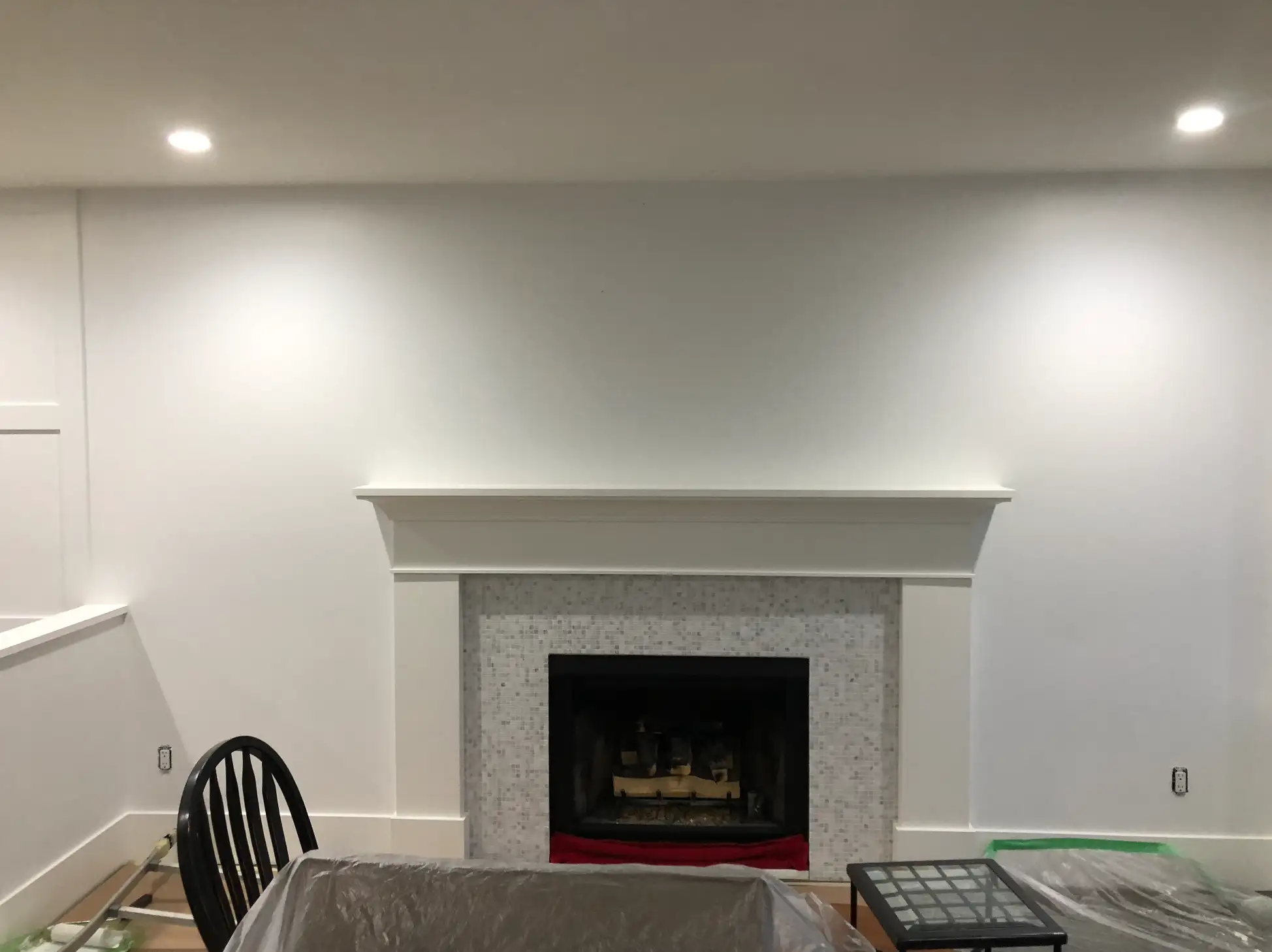
Finishing details give renovated rooms their final appearance. Flooring, drywall, trim, paint, cabinetry, fixtures and other details should work together rather than being selected independently. Coordinating these elements can create a more consistent look throughout the updated space.
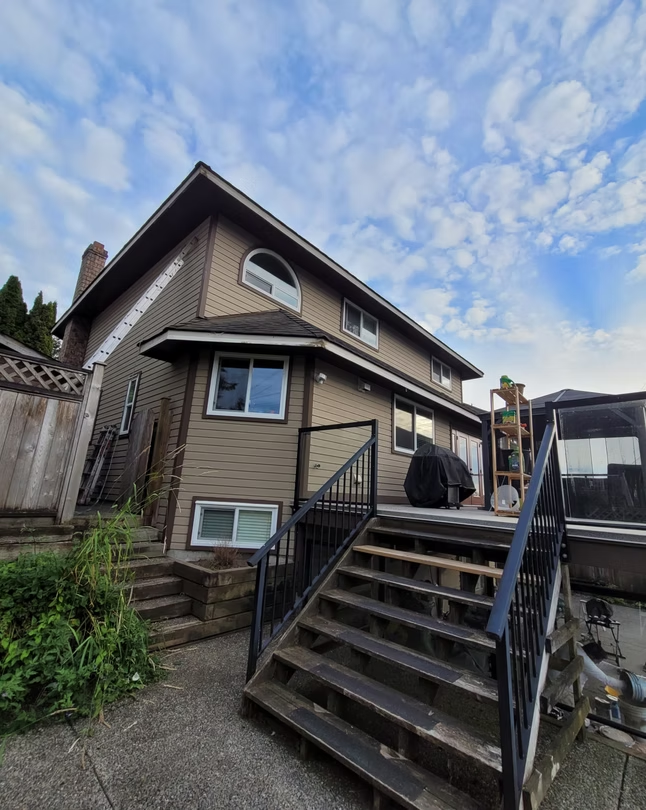
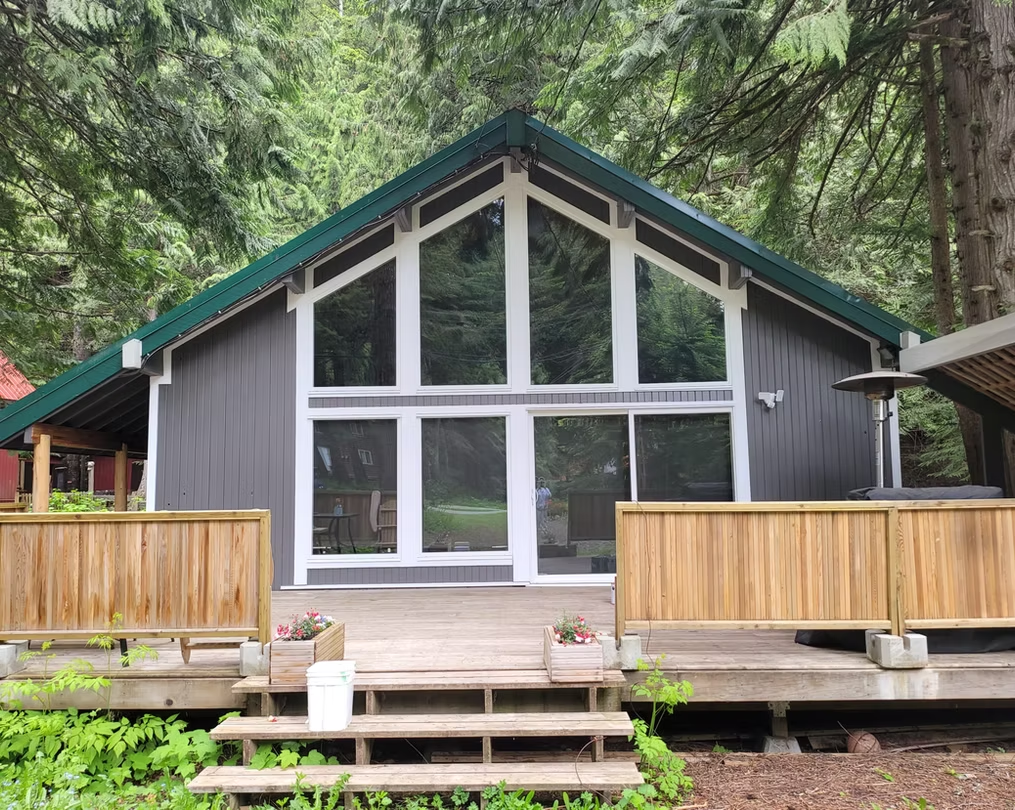
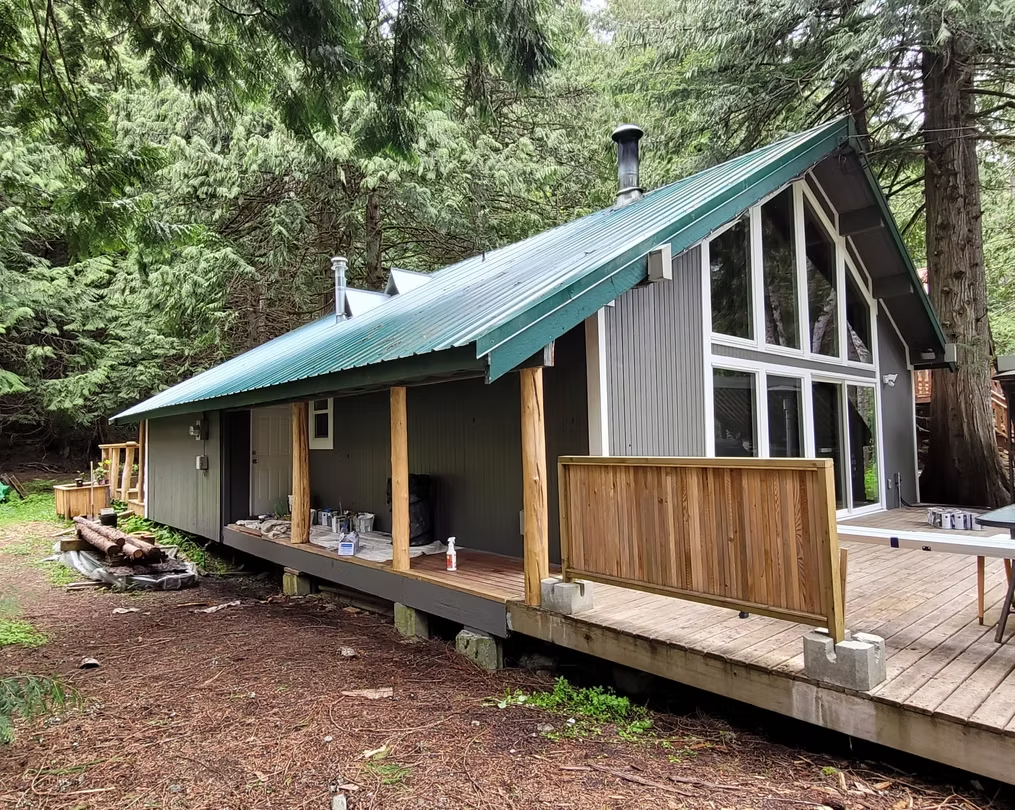
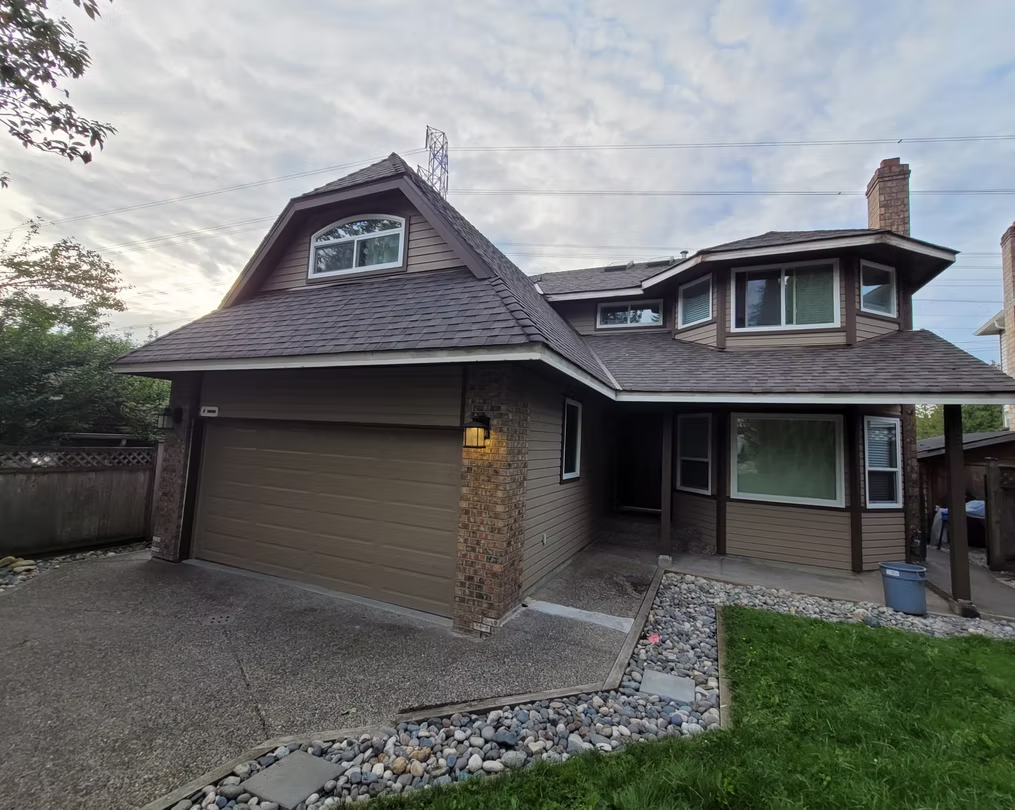
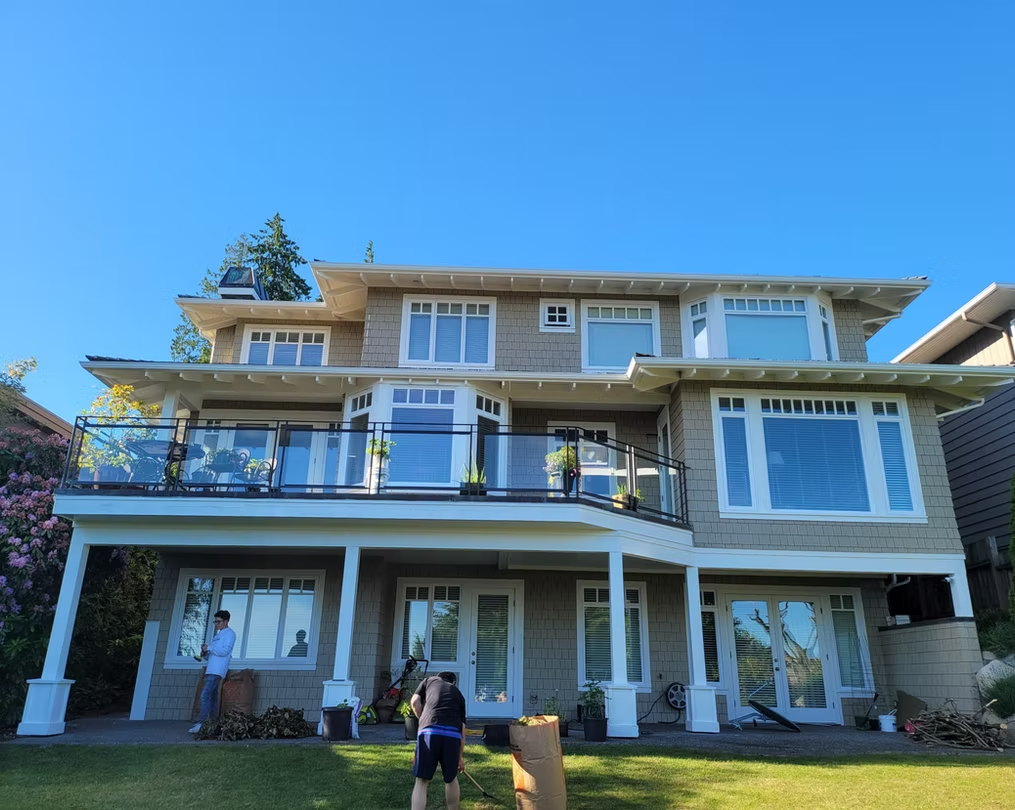
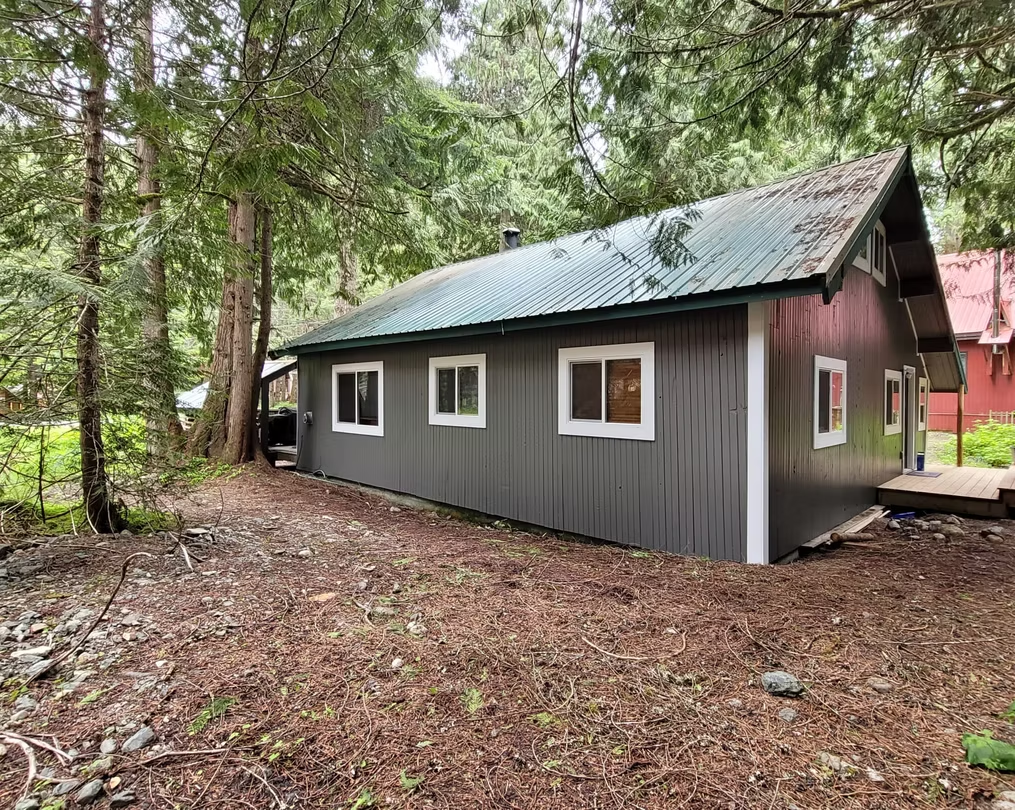
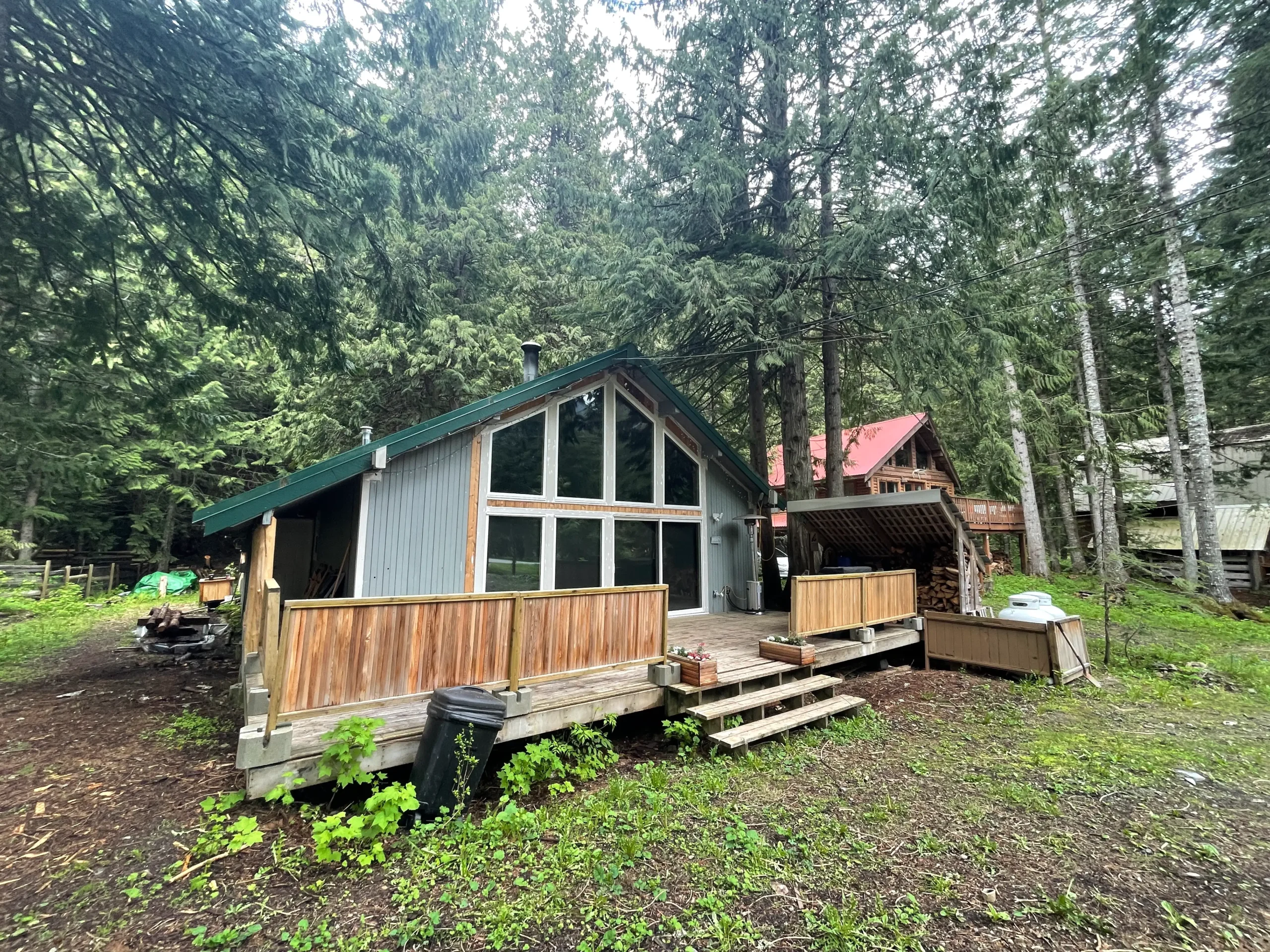
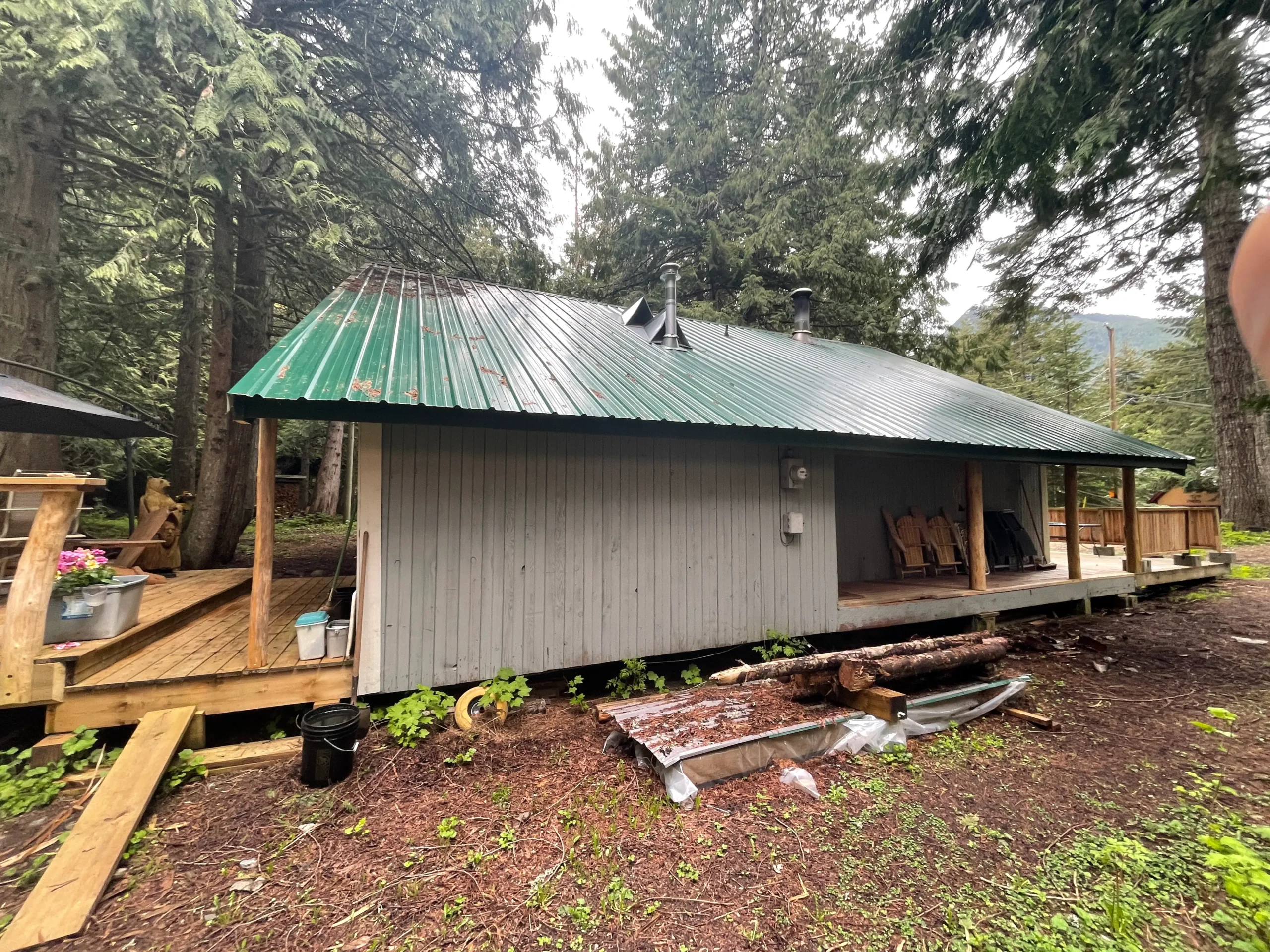
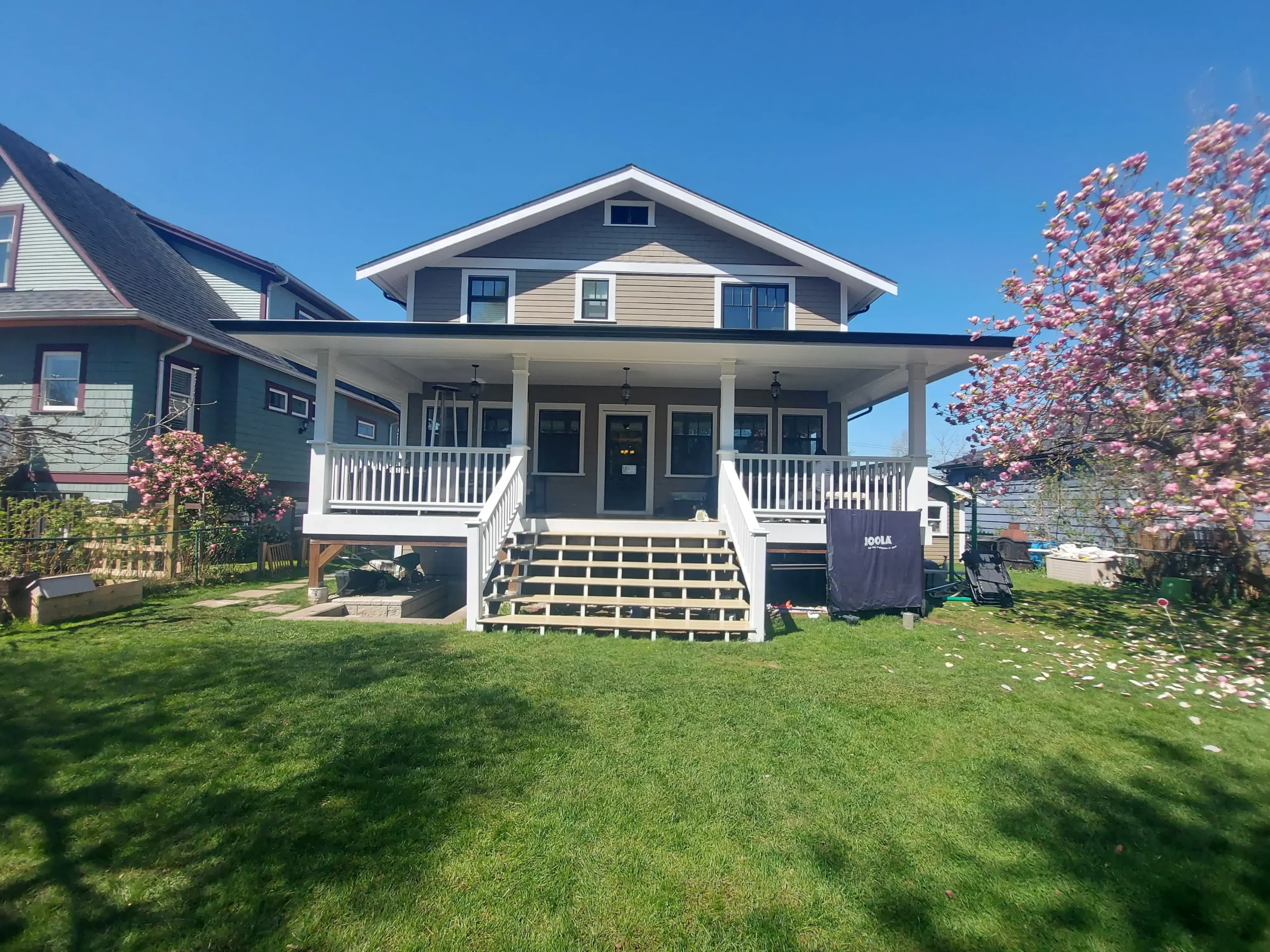
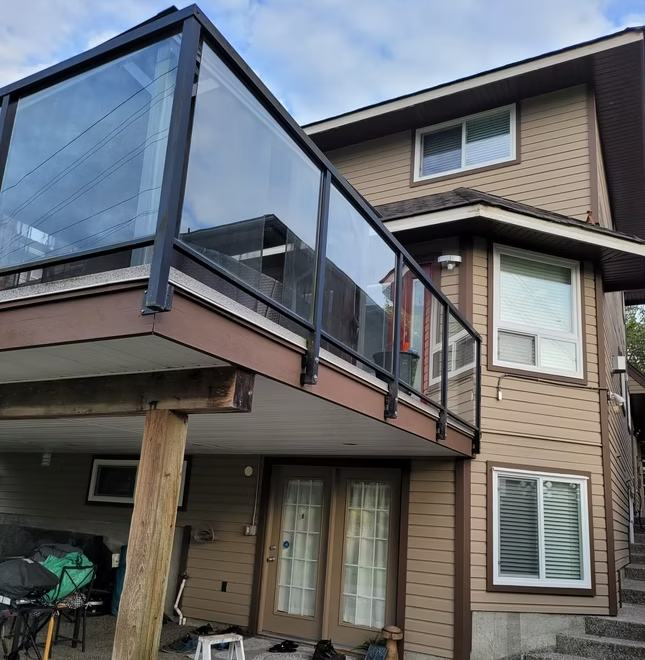
Exterior improvements can protect your property while giving it a refreshed appearance. Siding, roofing, gutters, railings and fences may need repair or replacement depending on their condition. Addressing related exterior work during a larger project can help maintain the property from the inside out.